
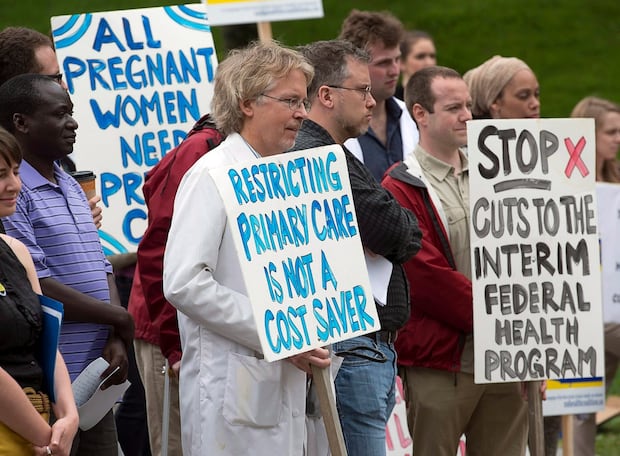
The director of a Windsor refugee centre says new government changes to the health care program for refugees risks the health of his clients by requiring payments for some services that have previously been 100 per cent covered.
Starting May 1, the federal government will implement a co-pay system under the Interim Federal Health Program (IFHP), the health care program that provides some medical and health benefits to people who have made refugee claims in Canada, before they become eligible for provincial coverage.
The new changes will introduce a $4 fee on every prescription dispensed and a 30 per cent fee on things like dental, vision and mental health care, though basic essential services will remain 100 per cent covered.
While the changes mostly impact refugee claimants, it will also affect refugees who get supplemental health coverage through IFHP.
“We’re making people much more precarious. We’re making our immigration system act and feel a lot more like the U.S. system,” said Mike Morency, executive director of Matthew House Refugee Welcome Centre.
Morency says Matthew House works with three counselors to help refugees with anxiety and mental health challenges, often stemming from experiences in their home countries that prompted their claims.
Some of Matthew House’s clients, Morency said, have already cancelled their May appointments “because they can’t afford it.”
“The reality is if they don’t get that counseling, it’s going to delay their effective settlement in our community,” he said.
Change puts vulnerable people at risk
Morency said a typical session with a trauma-treatment counselor costs about $150. Under the new changes, refugee claimants will be asked to pay $45 of that. With multiple visits a month, clients could be looking at hundreds of dollars in fees.
The IHFP provided health care coverage to more than 623,000 people in 2024-25, the government says, costing about $896 million.
Immigration, Refugees and Citizenship Canada says it remains committed to “protecting vulnerable individuals.”
“Introducing co-payments for supplemental health products and services helps manage growing demand, keeping the IFHP sustainable over the long term,” IRCC said in a statement.
“It’s important to note that co-payments apply only to supplemental health services and products. Basic health benefits, including physician and hospital services, vaccinations, laboratory and diagnostic tests and ambulance services will remain fully covered at no cost to beneficiaries.”
The IRCC adds the approach keeps the program “consistent with other publicly funded health insurance programs … including those available to many social assistance recipients.”
The changes come as the Parliamentary Budget Office — prior to this change — forecasted the cost of the program growing from about $211 million in 2020-21, to $1.5 billion by 2029-30, driven by an increase in the number of people claiming asylum.
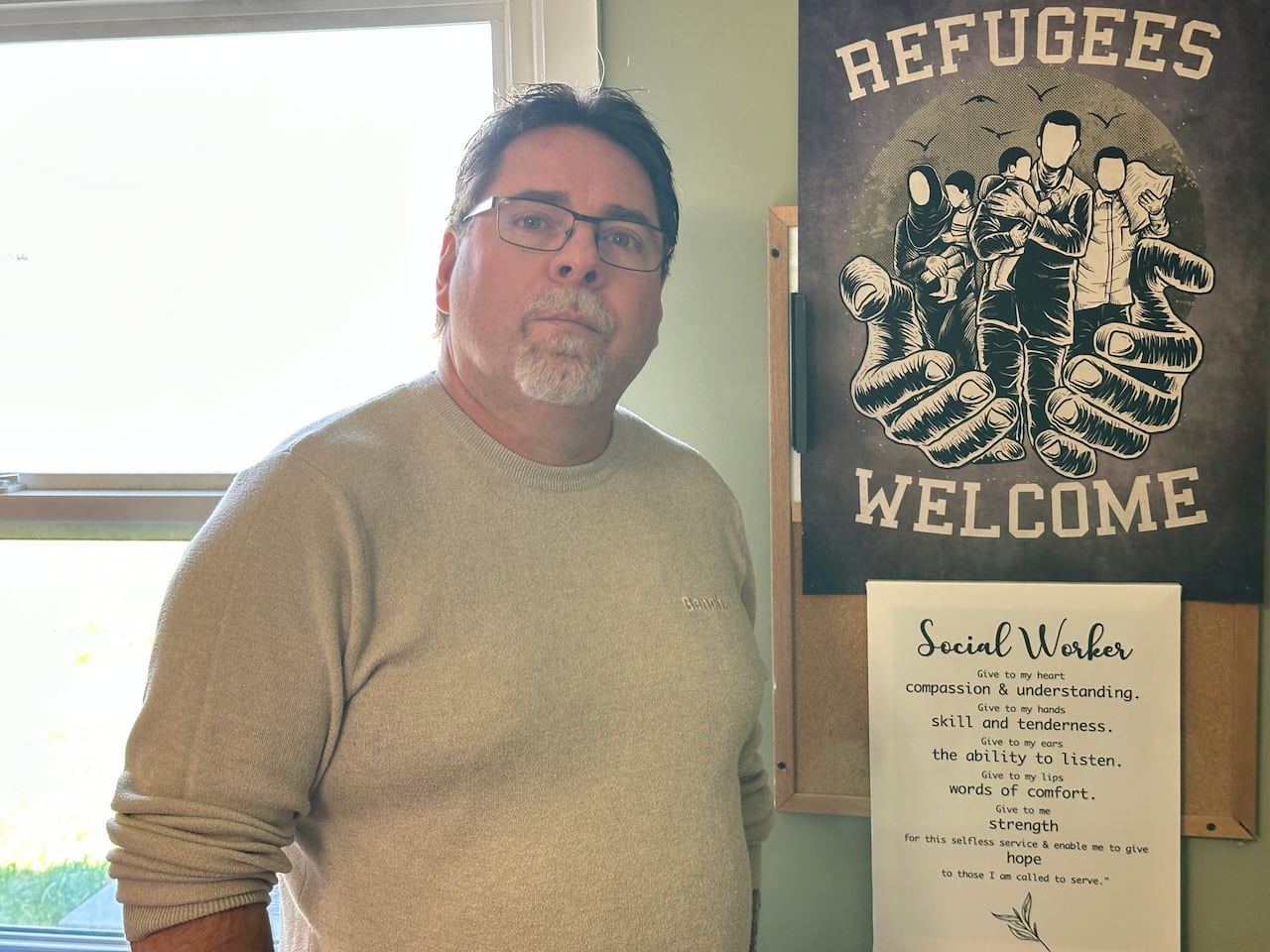 Mike Morency, executive director of Matthew House Refugee Welcome Centre in Windsor, says the upcoming changes to Interim Federal Health Program will mean refugees face a co-pay for mental health care that could impact their resettlement in Canada. (Pratyush Dayal/CBC)
Other changes in Canada’s immigration system are also impacting refugee health care, including claimants at Matthew House.
Last month, Bill C-12 became law. The law bars some who came to Canada more than a year ago from filing refugee claims, retroactive to June 24, 2020 and applying to claims made on or after June 3, 2025, affecting some 30,000 applicants.
If they’re not eligible as refugee claimants, they won’t be covered under the IFHP, something affecting dozens of people at Matthew House, Morency said.
Morency says he worries these changes will put more pressure on charities like theirs. He’s asking the government to rethink the cuts.
Windsor counsellor will have clients impacted
Riham Al-Saadi is an assistant professor in the School of Social Work at the University of Windsor and operates a private counselling practice for refugees and immigrants.
She says at least 15 refugee claimants under her care will be directly impacted.
“It’s a systemic [racism] issue, and if I may, a structural issue,” she said, because the changes deny coverage based on an immigration status and to a population who is mostly racialized.
“A couple of clients have already said, ‘if you ask me for any penny I can’t do it’,” she said.
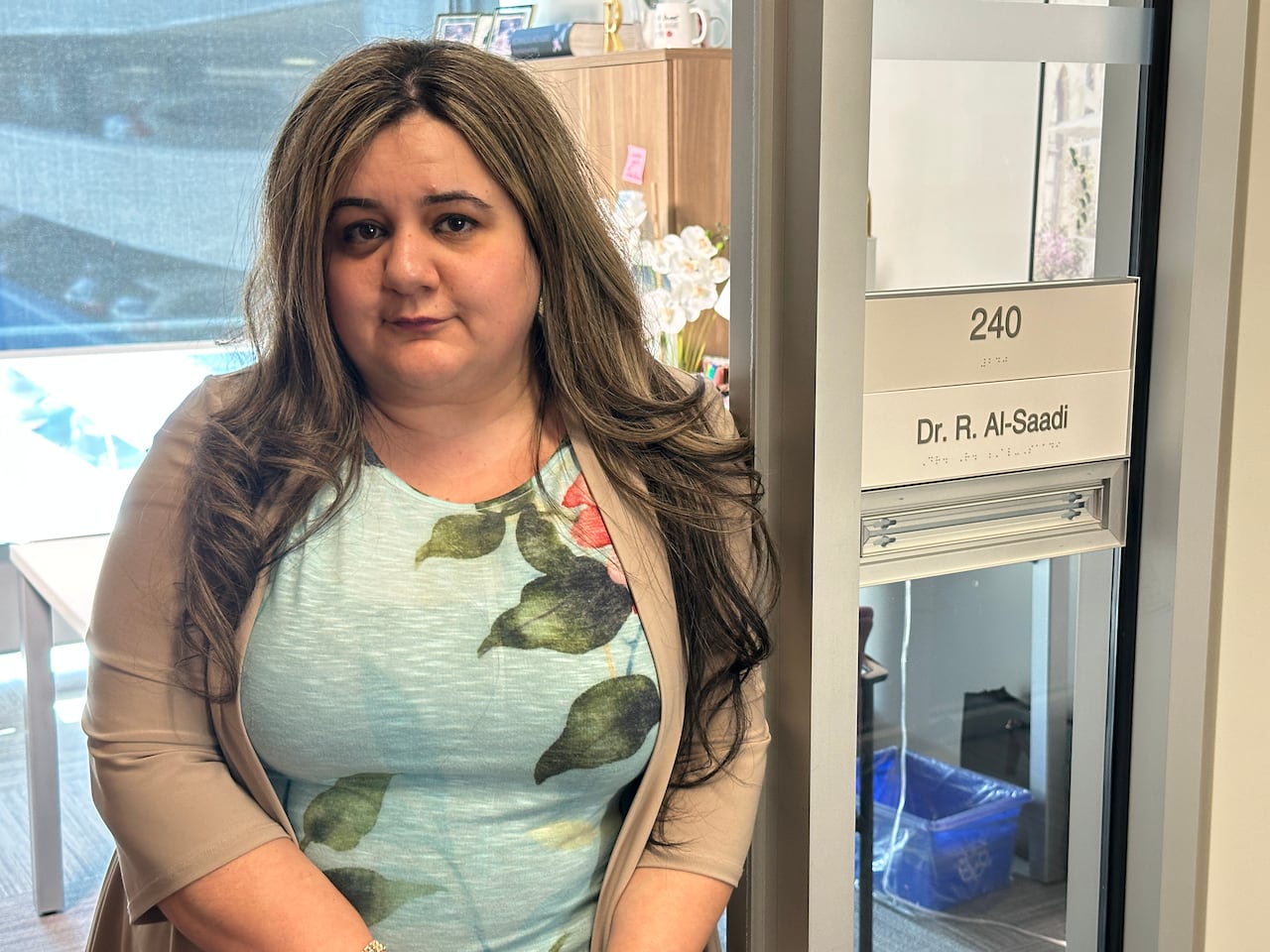 Riham Al-Saadi, an assistant professor at the School of Social Work at the University of Windsor, says she’s hearing a lot of anxiety about the IFHP changes from refugees she works with. (Pratyush Dayal/CBC)
Yin Yuan Chen, an associate law professor at the University of Ottawa, said co-payments are “not really cost saving, but just cost delaying.”
For example, he sees a potential outcome where emergency rooms could see a surge of refugees who delayed health care they would have needed to pay for under the IFHP, sending them to the ER where costs are covered but the cost to the government, higher.
IRCC said that the IFHP changes are expected to generate approximately $127 million in savings in 2026-27 and $232 million onwards, and “the impact of these changes will be closely monitored to safeguard public health and ensure Canada continues to meet its domestic and international legal obligations.”
“By supporting access to health care on an interim basis, the IFHP helps to prevent serious health issues and costly emergency interventions caused by delays in seeking medical services, thereby reducing health system wait times and pressure on hospital services,” the IRCC said in a statement.
Chen notes the changes are similar to ones proposed by the Harper government in 2012, which were successfully fought in court — though the then-government appealed, the appeal was abandoned when Justin Trudeau’s Liberal government was elected.
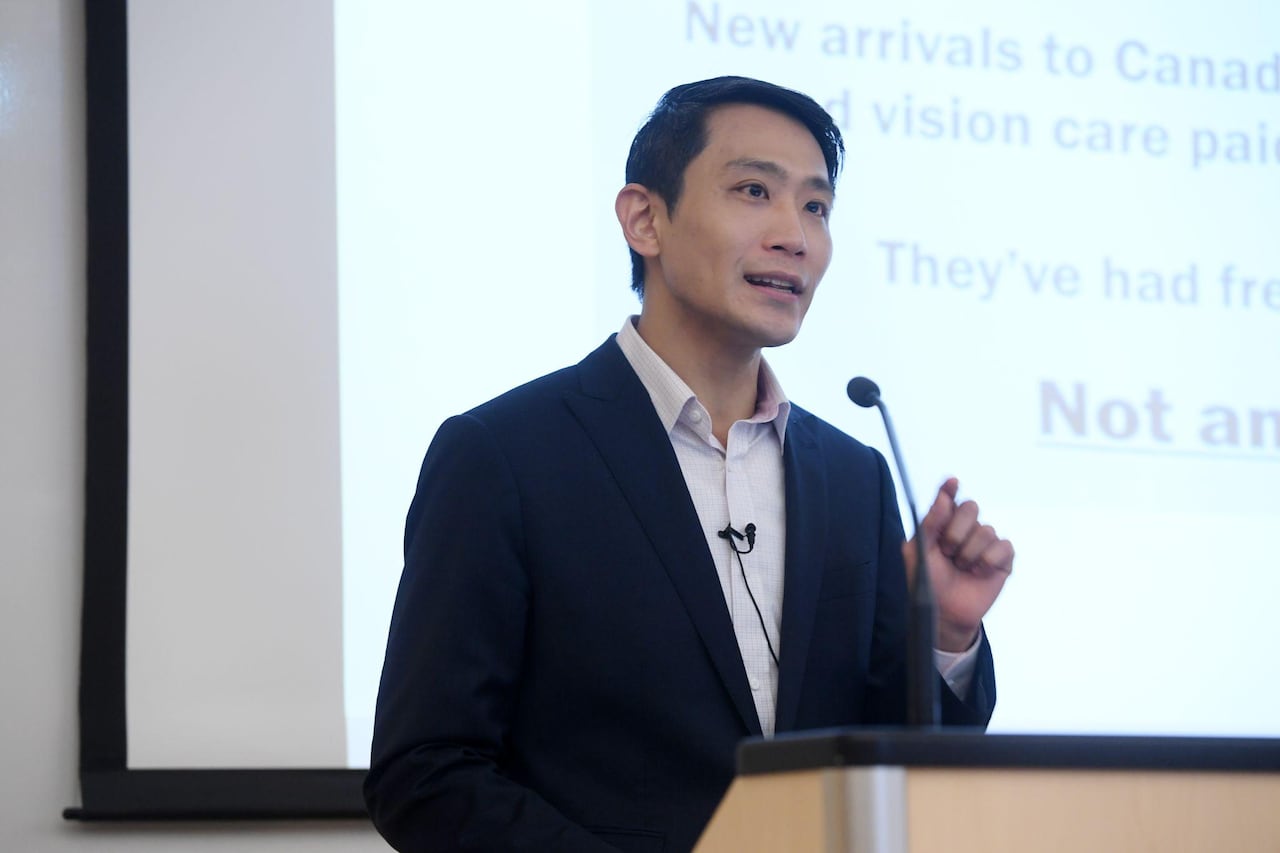 Yin Yuan Chen, an associate professor at the University of Ottawa’s faculty of law, says the changes are similar to what happened fourteen years ago under Stephen Harper’s Conservative government where reduced IFHP coverage resulted in many out of care. (Danny Abriel)
The rising costs are not due to refugees using more healthcare, Chen said, but because more refugees are coming to Canada.
“One way, if you want to really control the cost,” he said, “is to think about potentially developing more resources to process people’s refugee claims more quickly so that their time spent on using IFHP will be shortened.”