
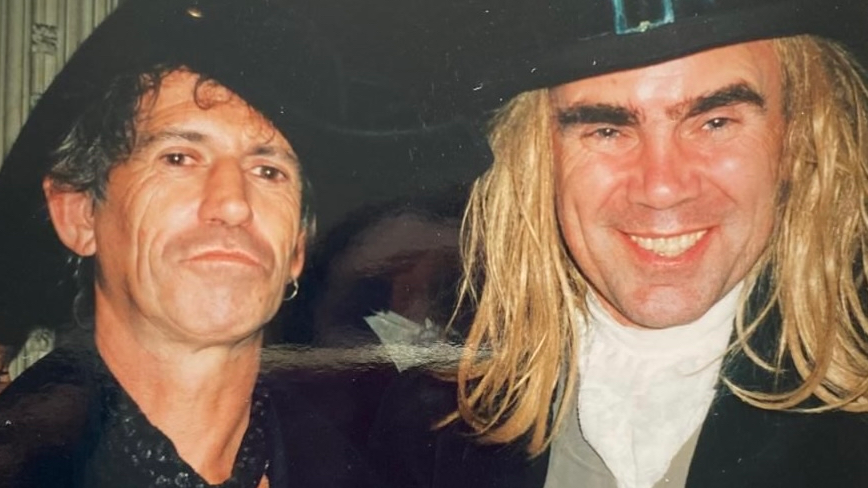
It is a truism in the music industry that you need two essential ingredients if you are going to succeed — talent and a good lawyer. In a business in which for years rip-off contracts were rife, even the greatest can find themselves top of the charts and flat broke, as the Rolling Stones discovered.
Despite a run of era-defining hits including (I Can’t Get No) Satisfaction, Jumpin’ Jack Flash and Honky Tonk Women, Mick Jagger was shocked to learn in 1970 that the band’s American manager Allen Klein had been fleecing them and they were not only skint but heavily in debt to the Inland Revenue.
The lawyer who rode to the rescue was Paddy Grafton-Green. Having qualified in 1969, Grafton-Green was working at the London law practice Theodore Goddard when Prince Rupert Loewenstein, a director of the merchant bank Leopold Joseph whom Jagger had brought in to repair the Stones’ ruined finances, sought the firm’s legal advice.
The brief was handed to Grafton-Green. Sharp, smart and savvy (and the same age as Jagger and Keith Richards), he swiftly became a close confidant of the band. He went on to serve as their lawyer for four decades, earning a “with special thanks” namecheck in the Stones’ 1994 album Voodoo Lounge.
Working hand-in-glove with Loewenstein, he arranged to move the Stones’ business interests to the Netherlands, where the tax regime was more favourable than in the UK, and helped to set up four companies, each dealing with a different revenue stream from the band’s activities.
He then issued a series of law suits against the group’s previous management, alleging fraud, breach of fiduciary duty and that Klein had seized the band’s publishing rights by deception and had withheld royalties. “What did he want from us? Apart from the moon, I don’t know,” Jagger said at one point during the case, which dragged on until 1984 before there was a final settlement.
It was not a total victory as Klein retained the contested rights to the band’s pre-1970 recordings. But the effectiveness of the Grafton-Green and Loewenstein partnership was evident when details of the band’s tax affairs were leaked in 2006 showing that on earnings of tens of millions in the previous tax year, with total legality only 1.6 per cent had been paid in tax.
Word of Grafton-Green’s expertise soon spread through the music industry and his other clients came to include David Bowie, Tina Turner, Dire Straits, Elvis Costello and Oasis.
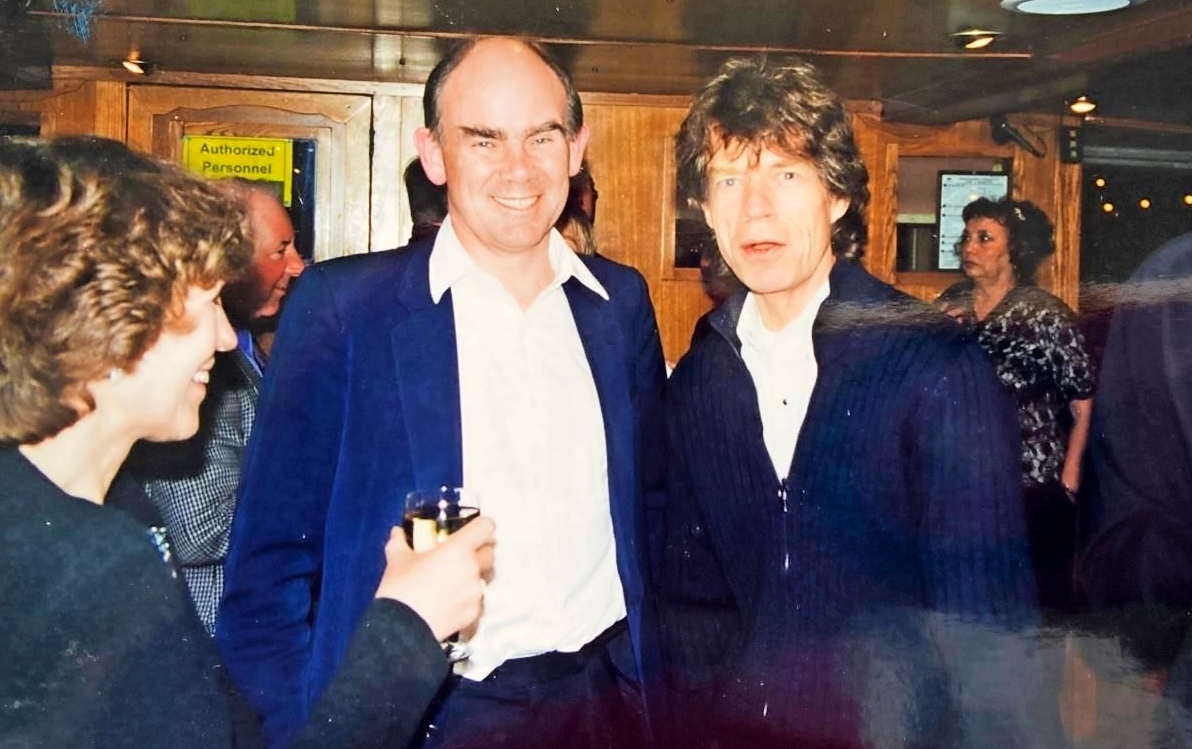 Grafton-Green with Mick Jagger
He offered them a 360-degree service, advising on recording and publishing contracts, management, sponsorship, merchandising, production and distribution arrangements, and taxation law.
Discreet, pragmatic and unfailingly polite, he could also play hard ball when the occasion required and it was a measure of the trust he engendered in his clients that Bowie named Grafton-Green in his will as one of two co-executors of his estate.
“He understood artists instinctively, represented them with imagination and rigour and was innovative in the way he structured careers and relationships,” said Mark Stephens, now a consultant at Howard Kennedy and who started his professional life as a music lawyer.
“When I was an articled clerk, Paddy was the music lawyer we all aspired to be. He brought a rare sophistication to a fledgling discipline at a time when there were only a handful of music lawyers in London. For many of us who followed, he set both the professional and personal standard.”
Joyce Smith, once his protégée at Theodore Goddard and who took over as the Rolling Stones’ manager in 2010, called him “a great teacher and mentor, an innovator in the world of tax planning and entertainment law and a man of huge intellect”.
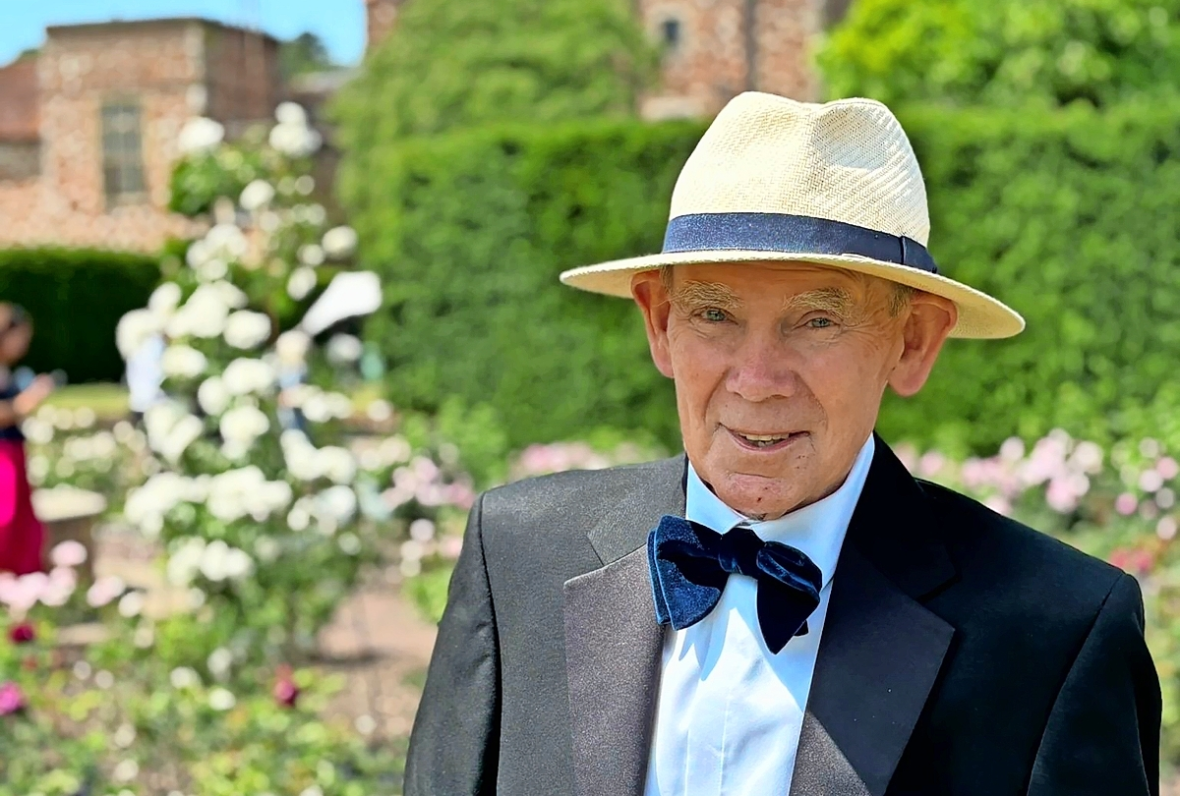 At Glyndebourne
Although family law was not his speciality, he acted for Pattie Boyd in her 1977 divorce from George Harrison and despite the somewhat fraught circumstances — Boyd had left the former Beatle for his best friend, Eric Clapton — a settlement was reached without rancour and with dignity on all sides. “There was no over-reacting, no greed or playing with each other’s emotions. I wish all divorces were so well handled,” Grafton-Green later remarked.
A regular at Rolling Stones concerts, he claimed to love the music of all his clients but he was also a great opera buff with a passion for Wagner. His other principal extra-curricular was sport of almost any kind and he was a longtime MCC member and a keen Manchester United supporter.
He is survived by his wife of 44 years, Deborah (née Goodchild), and by their children: Nicholas, a lawyer; Charlotte, who teaches children with special needs; Patrick, a former journalist turned teacher, and his twin, Lucy, a graphic designer.
Patrick Grafton-Green was born in 1943 in Caterham, Surrey, the son of Brigid (née Maxwell) and George Grafton-Green, a writer who later became editor of the Manchester Evening News. Educated at Ampleforth College, he went on to read law at Wadham College, Oxford, and on graduating joined Theodore Goddard as an articled clerk, training under Mare Stacey, a formidable and respected private client lawyer. After qualifying in 1969 he became a partner in the firm four years later, by which time he was already recognised as a sought-after pioneer in the emerging specialism of music and entertainment law.
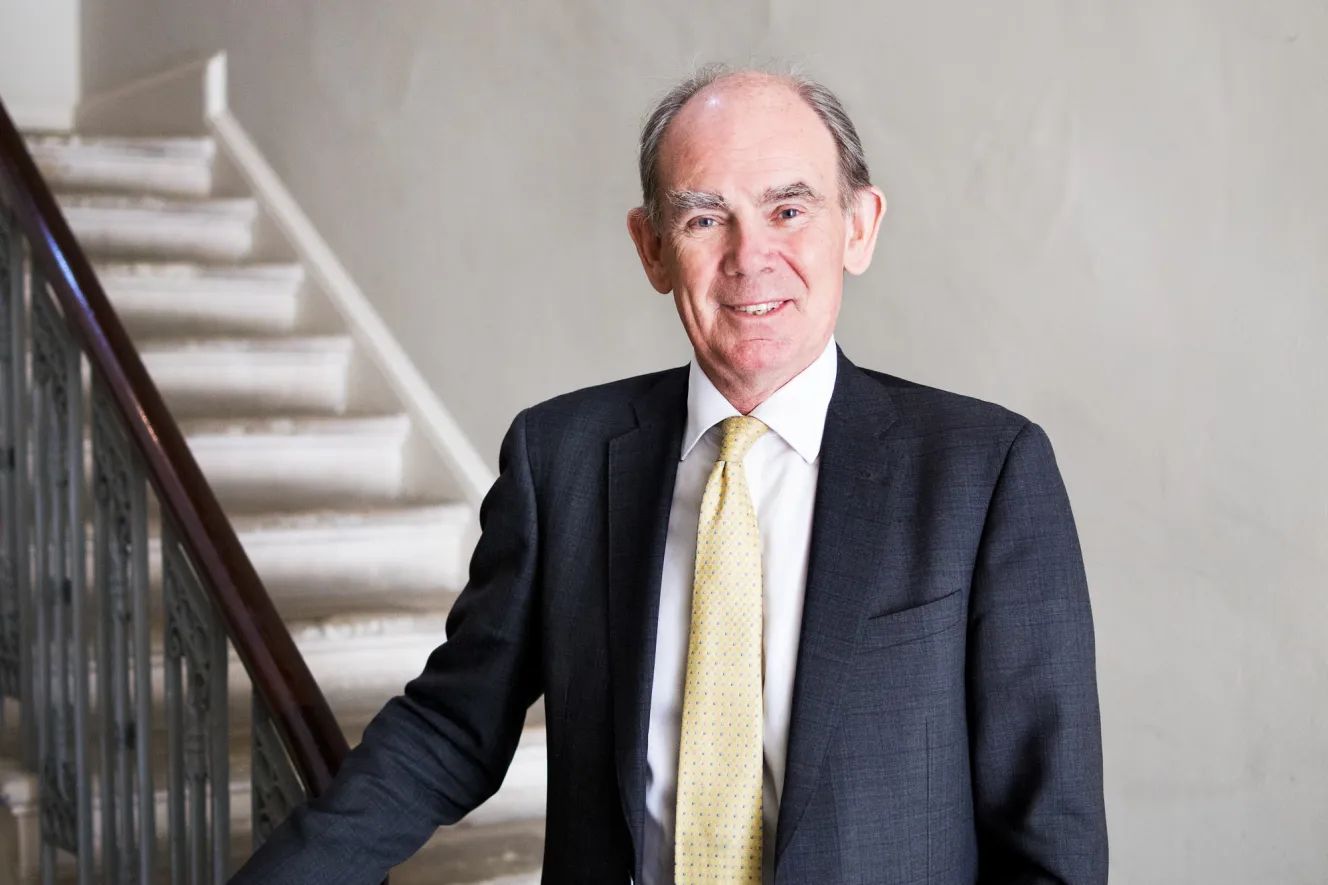 Grafton-Green in 2016Mischa Haller
In 1997 he became senior partner and six years later led the firm into a merger with Addleshaw Booth & Co to create Addleshaw Goddard. He served as chairman of the merged firm before finishing his career with Simkins, a specialist firm with a wide array of music industry clients, including artists, music companies and record labels. He retired at 80 and until the end was still taking calls from famous clients informally seeking his advice.
His stories were legion but his adamantine discretion meant that he took them with him to the grave. “I told him everyone was writing books about the celebrities they worked for and he should do one because his stories were so much better,” Deborah said. “I even offered to write the book for him, but he wasn’t having it.”
Paddy Grafton-Green, music lawyer, was born on March 30, 1943. He died after a short illness on April 13, 2026, aged 83