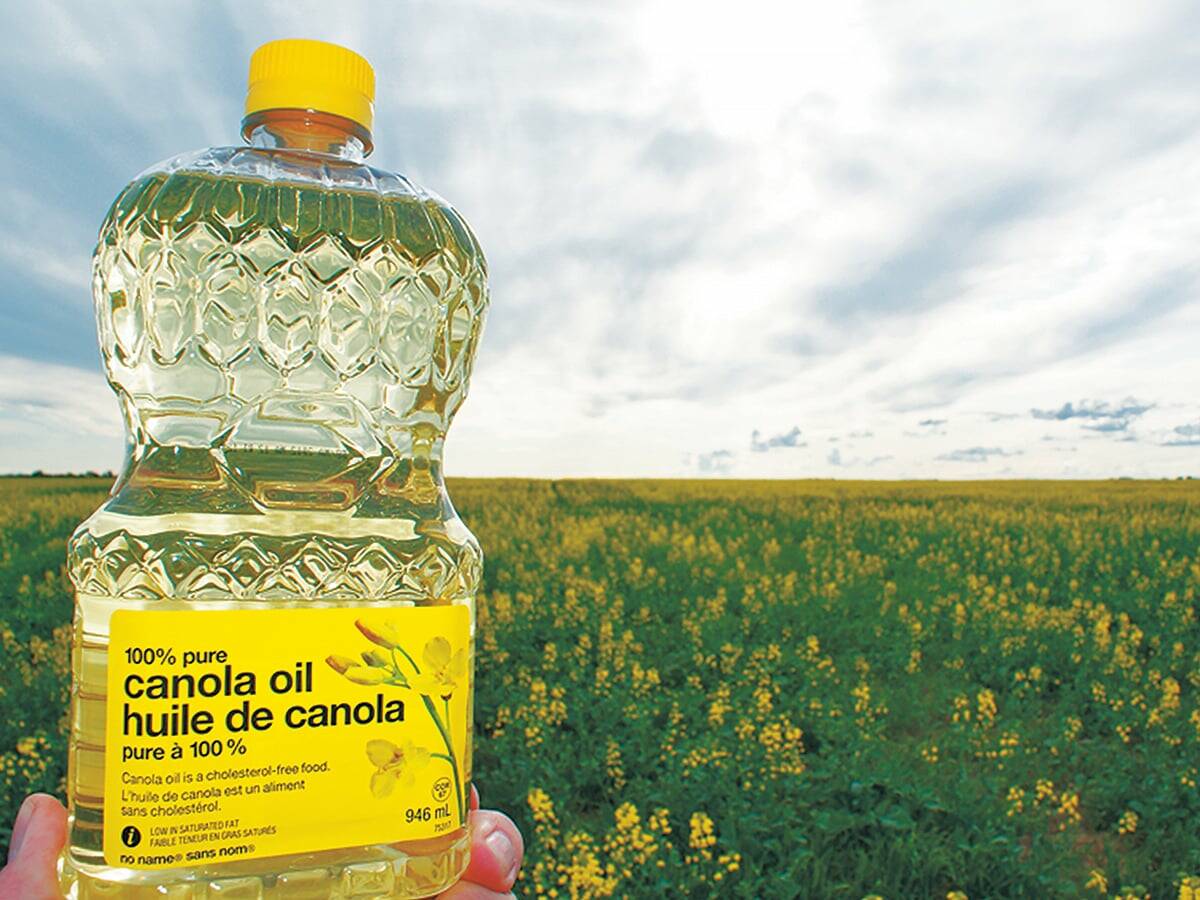
SASKATOON — Much-maligned seed oils just got a vote of confidence from a powerful voice in the health-care sector.
The American Heart Association is promoting the use of liquid nontropical plant oils (such as soybean, canola and olive oil) in its 2026 dietary guidelines.
The 2026 Dietary Guidance to Improve Cardiovascular Health: A Scientific Statement from the American Heart Association, supersedes the 2021 version of the document.
Read Also

Australia’s canola exports expected to fall in 2026-27
The USDA is forecasting a 19% reduction in Australian canola production in 2026-27 and a 16% drop in exports.
The updated guidelines encourage consumers to replace sources of saturated fat with sources of polyunsaturated fat.
Why it Matters: Seed oils have been under attack lately, so this is welcome support.
Animal fats such as beef tallow and butter and tropic oils such as coconut oil, cocoa butter and palm oil are relatively high in saturated fat.
Nontropical plant oils such as soybean, canola and olive oils are relatively high in unsaturated fat.
The association said there is strong evidence that replacing butter, beef tallow and tropical oils with plant oils and spreads decreases low-density lipoprotein cholesterol concentrations.
Limited evidence shows the switch can also lower cardiovascular disease morbidity and mortality risk.
The guidelines contradict the recently updated Dietary Guidelines for Americans published by the U.S. Department of Agriculture and the U.S. Department of Health and Human Services (HHS).
Those guidelines specifically encourage the use of butter and beef tallow when cooking with or adding fats to meals.
U.S. health secretary Robert F. Kennedy Jr. boasts of “ending the war on saturated fat” and has called seed oils “one of the most unhealthy ingredients that we have in foods.”
Western Producer markets desk analyst Bruce Burnett doesn’t know if either set of guidelines has much impact on people’s diets.
“Recommendations and what we actually eat are usually two completely different things,” he said.
With that significant caveat in mind, the message that resonates the most with people likely depends on their individual circumstances.
For instance, if somebody has had a heart attack or is at risk of developing heart disease, they are probably going to listen to the heart association’s advice.
However, dietitians are likely more swayed by the Dietary Guidelines for Americans, which have typically been the foundation for advice in that field.
On the other hand, many people are wary about RFK Jr’s controversial views.
And then there are just some practical realities.
“I don’t think people are going out and buying beef tallow just because USDA says it’s fine,” said Burnett.
“First of all, it’s hard to get. Secondly, it’s a bit gross, thank you very much.”
He thinks biofuel demand and the war in the Middle East are far more likely to influence vegetable oil markets than the competing dietary guidelines.
However, some U.S. farm groups were keenly interested in what the American Heart Association had to say.
The National Oilseed Processors Association, the American Soybean Association and the U.S. Canola Association are embracing the conclusion that soybean and canola oils are components of heart-healthy diets.
“This guidance from the American Heart Association makes clear that the scientific consensus on these oils has not changed and consumers and health professionals should feel confident about including them in a heart-healthy dietary pattern,” the groups said in a joint press release.
They noted that both oils are rich in polyunsaturated and monounsaturated fats and provide essential fatty acids such as linoleic acid (omega-6) and alpha-linolenic acid (omega-3), which the human body cannot produce on its own.