
NEED TO KNOW
Vampire bats have the potential to spread chronic wasting disease, a fatal illness affecting deer, elk, and moose, to new regions
Rising temperatures could push vampire bats northward, increasing potential interactions with infected animals
Experts warn the disease could mutate in bats
Researchers are investigating the threat of vampire bats spreading chronic wasting disease, a deadly wildlife disease affecting deer, moose, and elk.
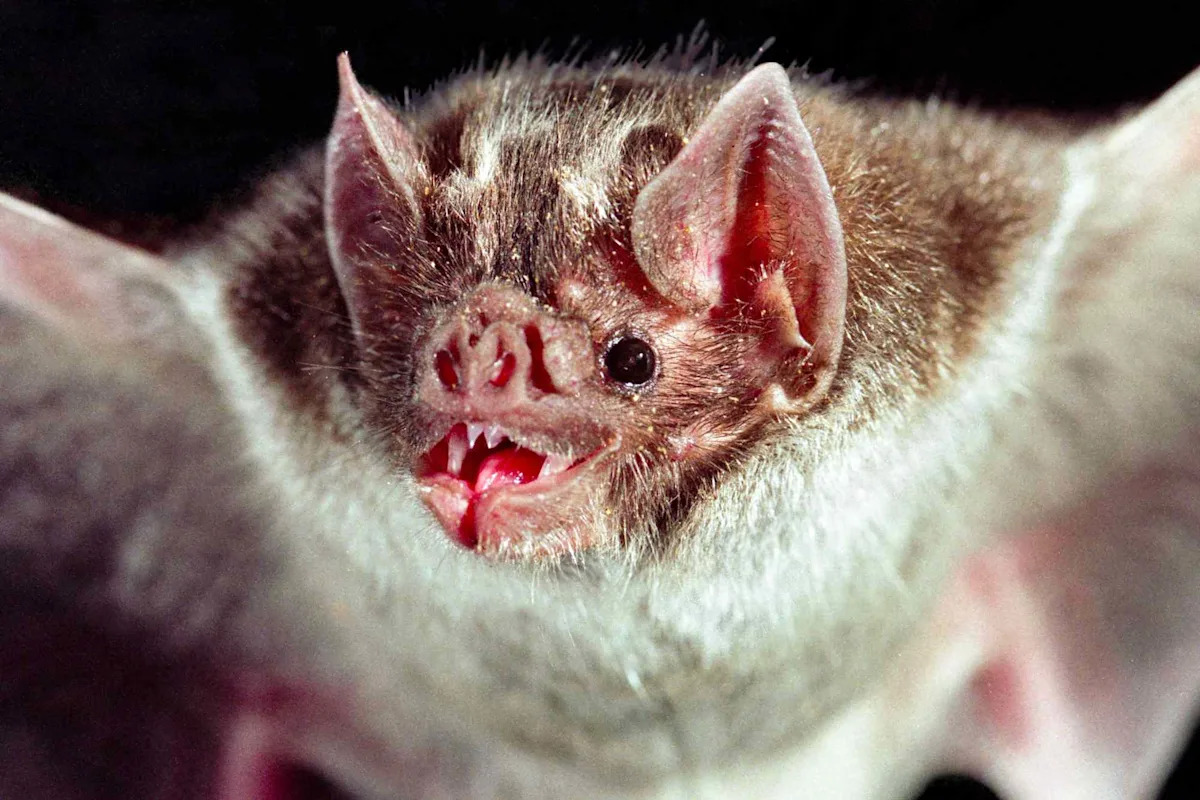
In April, a research article published in the Journal of Mammalogy explored whether common vampire bats (Desmodus rotundus) could contribute to the transmission of chronic wasting disease (CWD), sometimes called “zombie deer disease,” as the fatal neurological illness causes infected deer to stumble around in a trace-like state.
The study was led by Peter Larsen, co-director of the Minnesota Center for Prion Research and Outreach (MNPRO), whose interest in the topic was partly shaped by firsthand fieldwork. During a 2022 research trip in Guyana, Larsen was bitten by a vampire bat, prompting deeper questions about the pathogens the animals might carry.
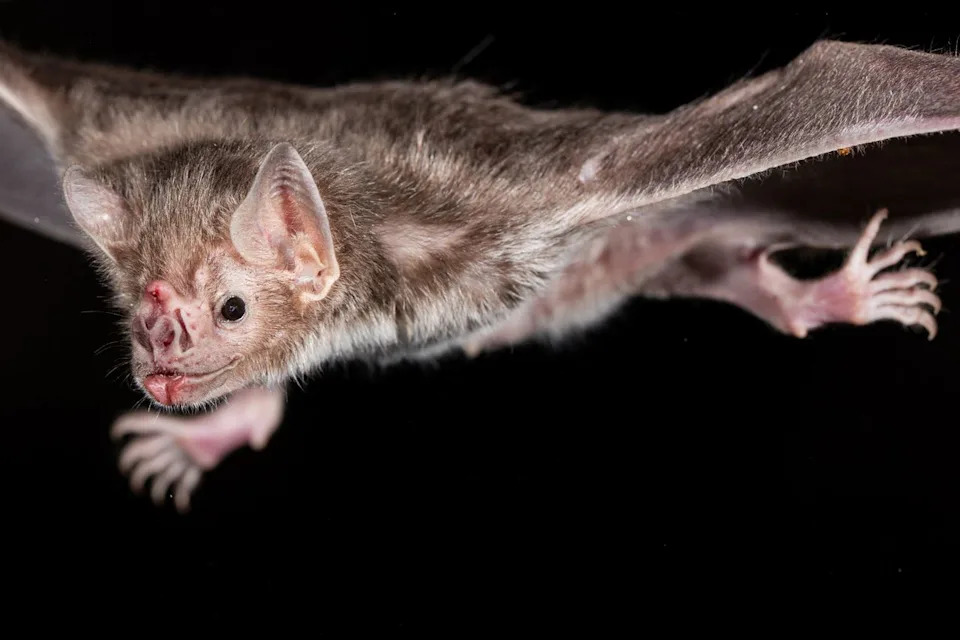
The common vampire bat (Desmodus rotundus) is a small, leaf-nosed bat native to the Americas
Credit: Nicolas Reusens/Getty
As explained by the Center for Infectious Disease Research and Policy (CIDRAP), CWD is caused by prions, or misfolded proteins, that attack the brain and nervous system. The disease has been detected in Texas and New Mexico, with a prevalence as high as 11% in one mule deer population.
Warming temperatures are expected to push vampire bats (native to Mexico, Central America, and South America) farther north, increasing the chances of interaction between the species and animals infected with CWD. “If I had to guess,” stated Larsen, per CIDRAP, “I would say it’s 70% possible that there are already vampire bats feeding on [CWD-] positive animals in Mexico.”
The concern is not just whether bats could be exposed to the disease, but whether they could accelerate its spread and mutation. Vampire bats feed on the blood of livestock, wildlife, and occasionally humans, and are known to share food within their colonies.
“This is a speculative concern, but it turns into a nightmare if it’s real,” stated Brent Race, DVM, a scientist at the National Institutes of Health’s Rocky Mountain Laboratories. “Their opinion that bats may become a vector for CWD, or even worse, that bats may enhance the host range of CWD, warrants further study.”
Symptoms of CWD, also known as “zombie deer disease,” include drooping ears, excessive drooling, progressive weight loss, lack of coordination, listlessness, and stumbling. Symptoms can take months to years to appear, which is a concern for many livestock owners with seemingly healthy animals.
Never miss a story — sign up for PEOPLE’s free daily newsletter to stay up-to-date on the best of what PEOPLE has to offer, from celebrity news to compelling human interest stories.
Race went on to explain that the major fear of the vampire bat transmitting the disease is that prions may shift at a molecular level in the species’ digestive tract, making the effects in animals unpredictable.
“The prion doesn’t really mutate like a virus or bacteria that can change their genome,” said Race. “It is possible that if bats were susceptible to CWD, the resulting prion may be folded differently than typical CWD and potentially have an enhanced ability to infect other species, including humans and livestock. This is, of course, very speculative.”
Read the original article on People