
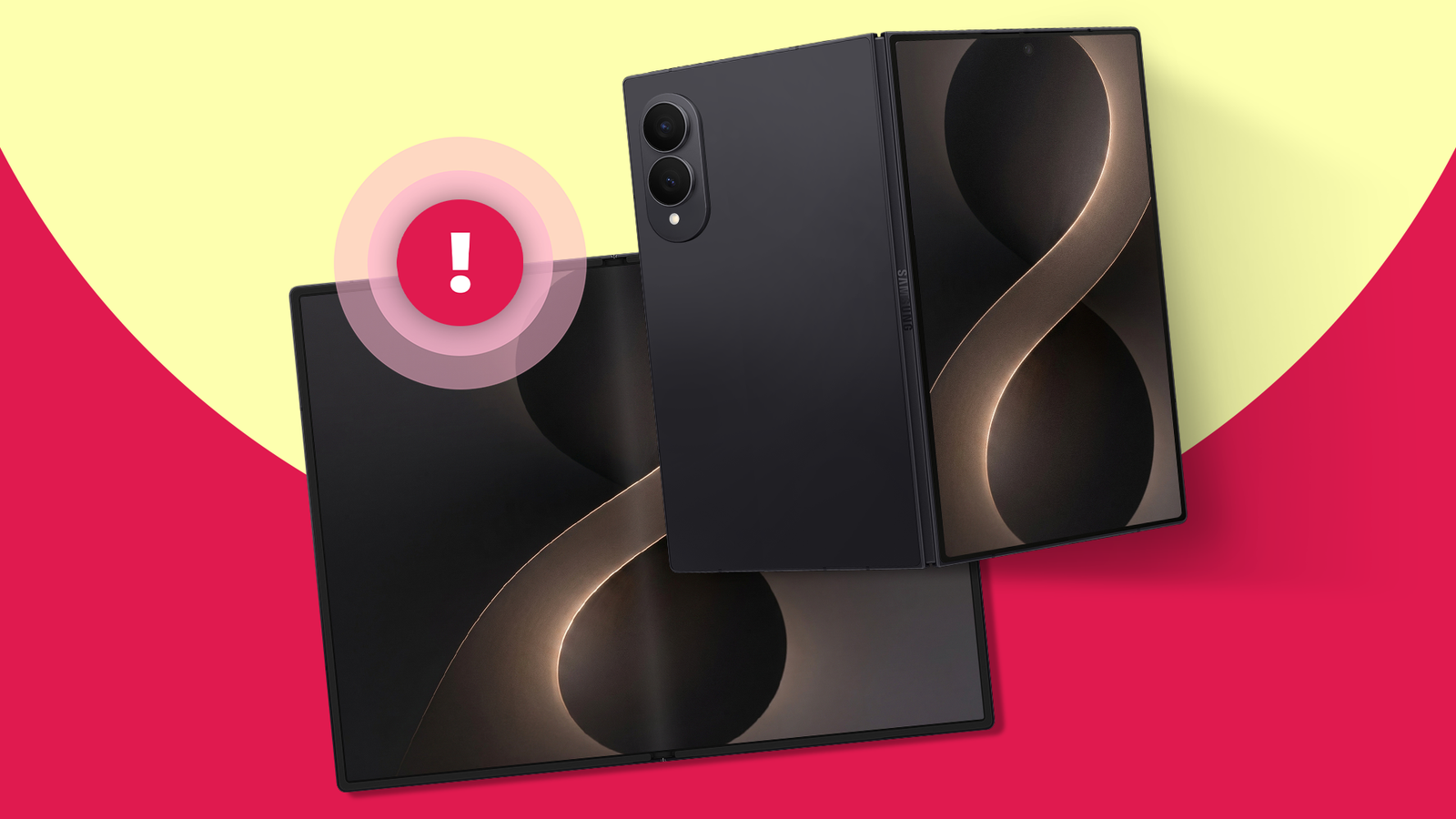
People are excited about the idea of a wider Samsung Galaxy Z Fold 8 cover screen, and that reaction makes sense. Samsung has earned it.
The Fold’s outer display has always felt a little too tall and too narrow to really work as a normal phone. Even after multiple generations, using it closed still had that awkward TV remote feeling people kept calling out.
So yes, a wider front screen would absolutely help. But that’s still the smaller issue. The bigger problem shows up when you unfold these phones.
Android apps still hate big screens, and too many look stretched to fill the space they were never meant to use.
Related
The Galaxy Z Fold 8 may finally get the upgrade you’ve been waiting for
This would be the first battery upgrade for five years
Android’s big-screen problem matters more than the cover display
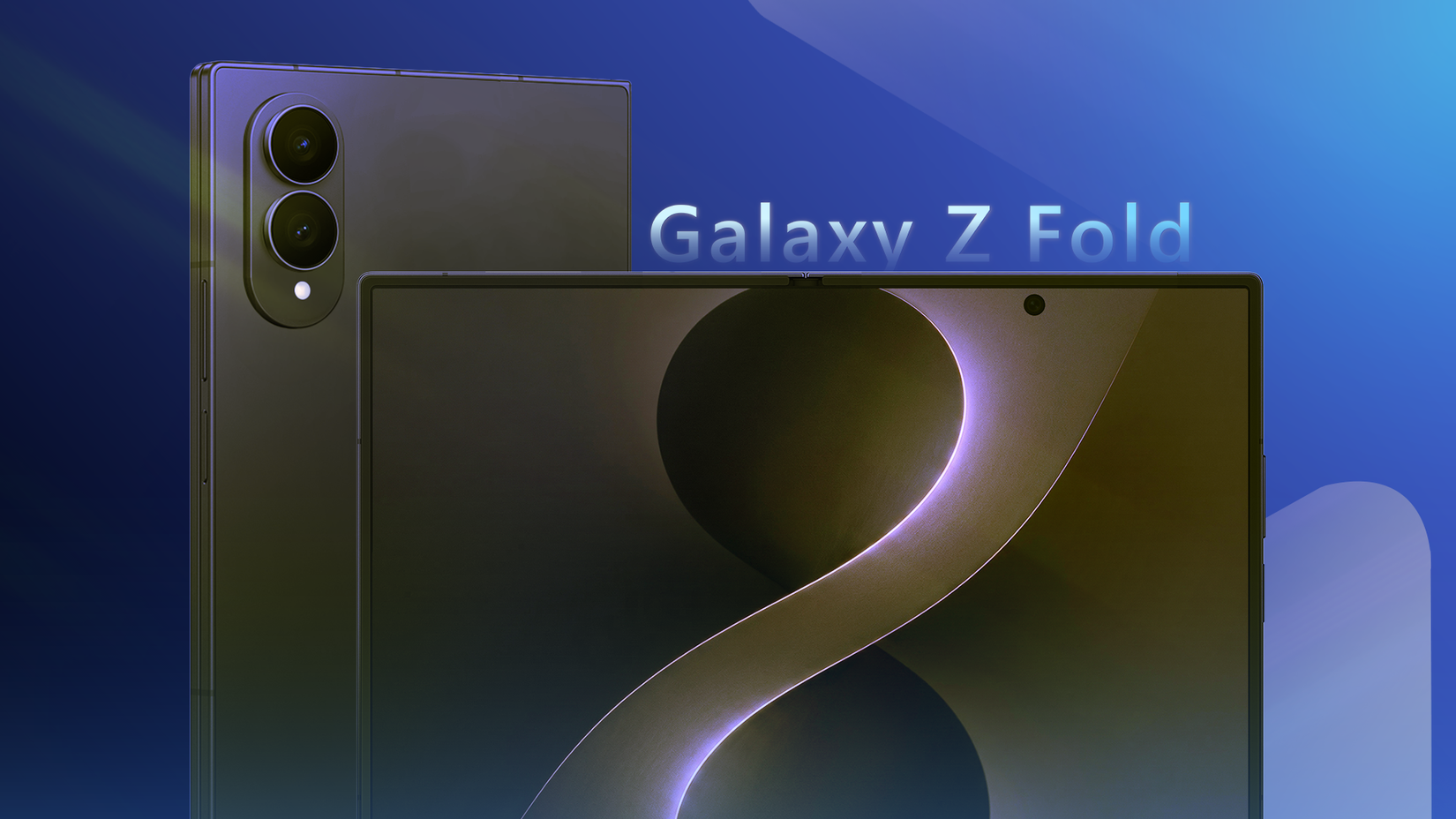
Credit: Lucas Gouveia / Android Police
The premium you pay for a foldable phone is supposed to pay off the moment you open it — that’s the entire point of the category. But often, that’s where the experience starts falling apart.
Google’s own large-screen compatibility tier system confirms this. It separates apps that merely work on bigger displays from those that are actually designed for them.
Tier 3 (adaptive ready) is the bare minimum. The app runs full screen, users can complete core tasks, and that is about it.
Tier 2 (adaptive optimized) improves on that with better layout optimization and stronger input support.
Tier 1 (adaptive differentiated) is the target, with apps optimized specifically for foldables with full adaptive layouts.
The problem is that too many Android apps stop at Tier 3 and call it good enough without having an experience that feels truly at home on a larger screen.
App continuity on foldables is still one of Android’s weak points
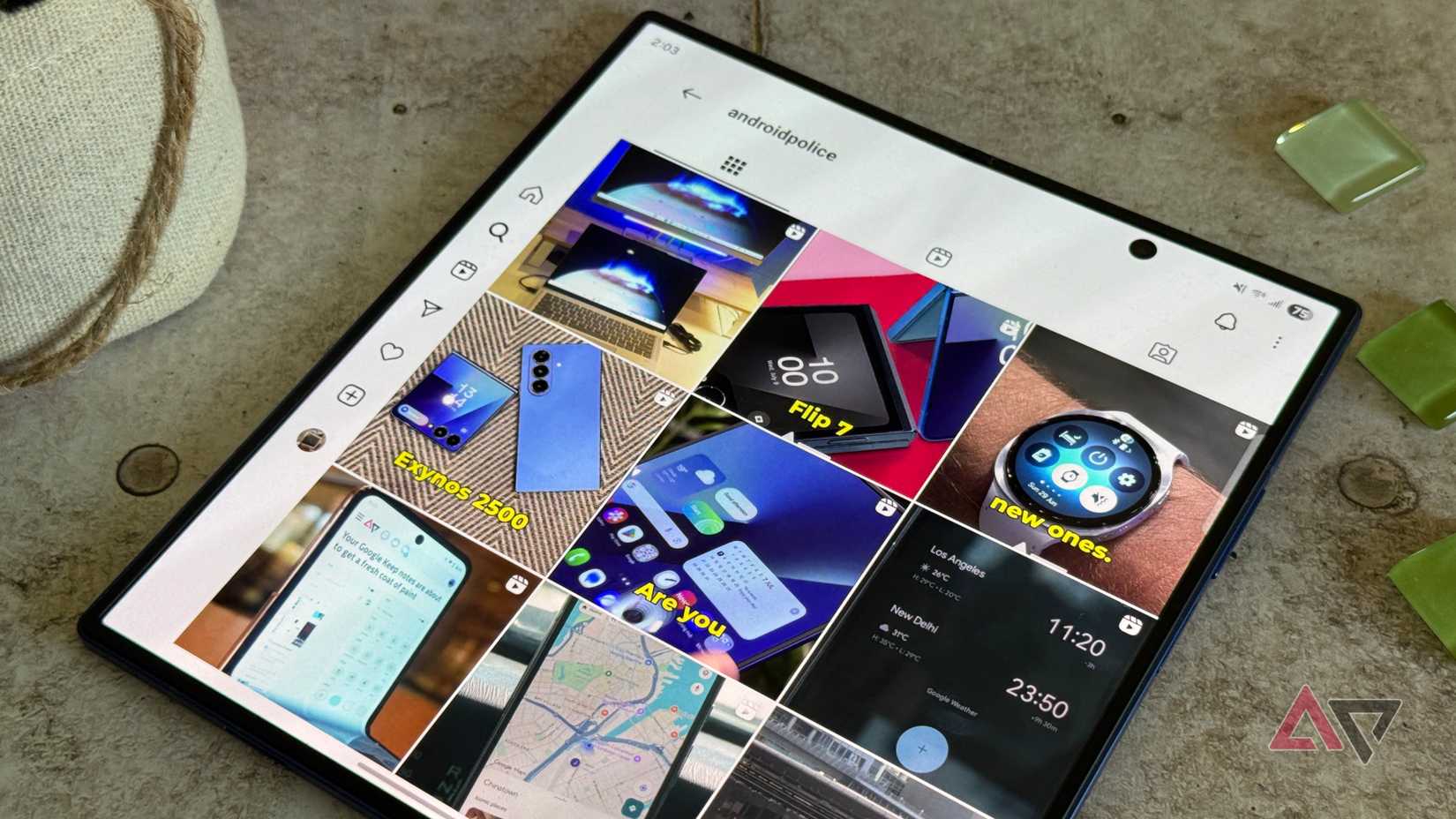
The idea behind App Continuity is that you begin something on the outer screen, unfold the device, and the same interface carries over to the larger display.
It is one of those features that makes foldables feel futuristic when it works. In practice, though, it is another weak link in Android’s app behavior.
After the display changes form, the operating system has to recalculate the full window size class right away.
For an app to survive that transition properly, developers need to code their app to remember where it was and what it was doing.
Not every developer invests in that level of continuity. So what happens? Apps that do not properly handle continuity lose scroll position, typed text, or playback state.
Foldable apps are stuck in a bad economic loop, but that could change
Credit: Lucas Gouveia / Android Police
From a business standpoint, spending hundreds of engineering hours on an expanded foldable layout is hard to justify.
Foldables may be growing, but they still make up a small slice of the global smartphone base. When a studio has limited time and budget, developers put that effort where the money is.
That leads to the same problem over and over. The foldable market cannot really take off until the software improves, but the software does not improve because the market is still too small.
Ironically, the thing that may finally push Android foldables forward could come from Cupertino.
In the mobile industry, developers usually put iOS first because the return is better and the platform is more unified.
Samsung may already be on its eighth Fold, but a large part of the developer community still seems to be waiting for Apple to make its move.
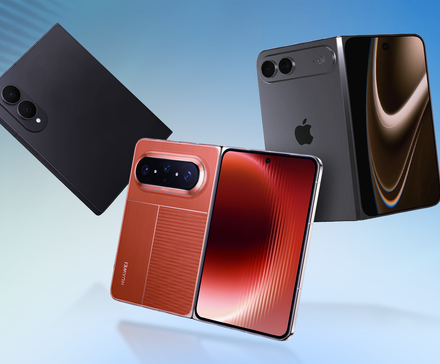
Leaks point to an iPhone Fold, or possibly an iPhone Ultra, with a passport-style shape that looks a lot like the wider Z Fold 8.
The moment Apple enters this category, developers will have a strong reason to take foldables seriously from day one.
And when those polished, flexible interfaces exist for Apple’s foldable, bringing them over to Android becomes a much easier next step.
Related
Samsung and Apple have finally made me consider buying a foldable
A change is coming for foldable phones
Android 16 is forcing apps onto bigger screens
Google seems to have accepted that third-party developers are not going to optimize these apps on their own, so it is stepping in at the operating system level.
Android 16, or API Level 36, is where Google has started to get aggressive.
In the past, developers could use android:resizeableActivity=”false” to stop their apps from being resized.
Now, on devices with screens wider than 600dp, the system ignores that restriction and forces the app to render edge-to-edge anyway.
There was some backlash, with developers on Reddit saying their portrait-locked apps are breaking under the new policy.
This has the potential to fix large-screen apps to some extent, but it could just as easily replace them with a new mess. We will have to wait and see.