
(Credits: Far Out / MUBI)
Mon 27 April 2026 4:00, UK
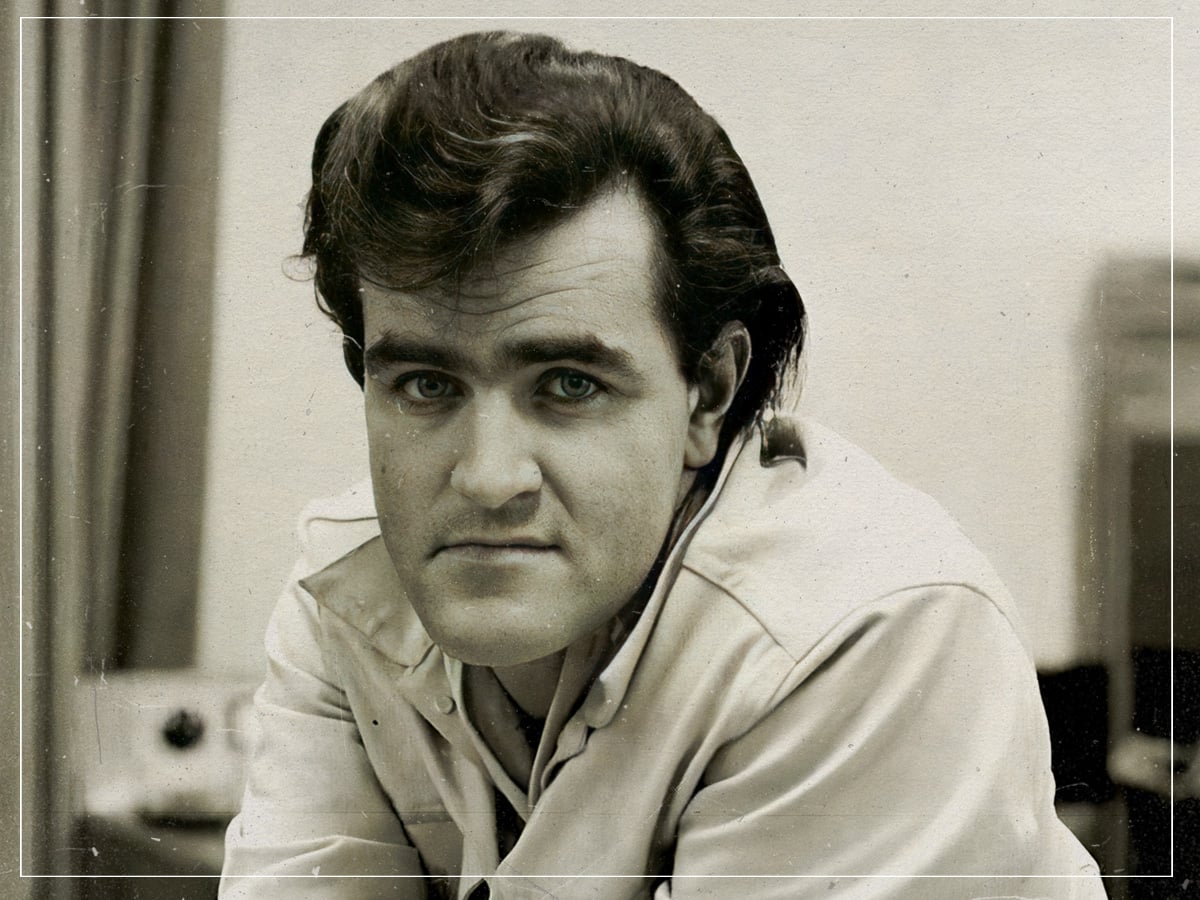
Given that he was the first person to respond to Brian Jones’s advert about joining The Rolling Stones, you could say that Ian Stewart got a rather unfair end of the bargain.
He was a diehard fan of the blues and big band jazz, and yet even with his skills as a keyboardist, he was asked to take a backseat in the band in 1963 by their manager, Andrew Loog Oldham, who didn’t feel he was the right fit for the group’s image. While he had every right to be hurt, however, Stewart stayed.
Taking on the humble road of The Stones’ road manager and pianist throughout the decades that followed, Oldham had to admit the error of his ways once he realised the humility of the man. “I’d probably have said, ‘Well, fuck you,’ but he said, ‘OK, I’ll just drive you around.’ That takes a big heart, but Stu had one of the largest hearts around,” the manager later admitted.
All of this is to say that Stewart never seemed particularly interested in the fame and fortune aspect of the music industry, but simply enjoyed being there for the services he could provide and connections he could make. To this end, he did know his place – and the times he left The Rolling Stones behind made for some iconic moments.
Between connections to Led Zeppelin and Howlin’ Wolf, it was clear that despite his somewhat less illustrious status, Stewart certainly had some storied celebrity friends. In this vein, he played on both ‘Rock and Roll’ from Led Zeppelin IV, as well as ‘Boogie With Stu’ from Physical Graffiti, unsurprisingly named after him.
Which other artists did Ian Stewart play for?
Outside the immediate heights of the top echelons of British rock bands, however, Stewart’s love of the boogie-woogie style also bagged him some powerful credits on albums that were pivotal to the genre. Playing as part of The London Howlin’ Wolf Sessions in 1971 to ‘Bad Penny Blues’ on The Blues Band’s album These Kinds of Blues, his roots were never forgotten.
Despite this, Stewart always maintained a close space in his heart for his old Stones cronies, staying by their side all the way up until the early ‘80s. He perhaps realised the size of the bullet he had dodged within that – never getting involved in the band’s drug-taking or tax-avoiding antics, he always stayed on the straight and narrow.
In that respect, it made what happened next all the more cruel and unfair, as in a tragic twist of fate, Stewart died in a doctor’s waiting room in 1985, at the age of 47, after suffering from respiratory symptoms. He’d had a massive heart attack and was suddenly gone forever.
Despite the desperate sadness of the situation, The Rolling Stones were hellbent on never dismissing the legacy of their fallen friend. At their insistence, when the band were inducted into the Rock and Roll Hall of Fame in 1989, Stewart’s name was also included as a founding member. Above all else, that was perhaps a greater testament to his legacy than anything.
ADD AS A PREFERRED SOURCE ON GOOGLE  The Far Out Led Zeppelin Newsletter
All the latest stories about Led Zeppelin from the independent voice of culture.
Straight to your inbox.