

Listen to this article
Estimated 4 minutes
The audio version of this article is generated by AI-based technology. Mispronunciations can occur. We are working with our partners to continually review and improve the results.
A Minnesota-based wilderness protection group is sounding the alarm that a nearly-overturned mining ban in the U.S. will open the door to copper-sulfide mining — a move they say risks leaking sulfuric acid into shared Boundary Waters at the Canadian border, including Quetico Provincial Park and the Lake Superior watershed in northwestern Ontario.
Pete Marshall is with the group Friends of the Boundary Waters Wilderness. It was established in 1976, and its mission is “to protect … the Boundary Waters Canoe Area [BWCA] Wilderness and Quetico-Superior ecosystem.”
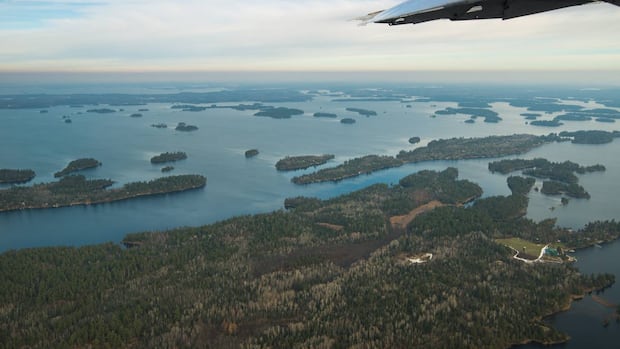
That ecosystem sprawls across the Minnesota-Ontario border, which sits about 160 kilometres southwest of Thunder Bay. On the U.S. side, it measures about 4,450 square kilometres — roughly the size of Woodland Caribou Provincial Park — and is adjacent to about 240 kilometres of the Canadian border.
Marshall is one of many back-country paddlers and portagers on both sides of the border who revere the Boundary Waters Canoe Area Wilderness as a crown jewel in the boreal forest biome. “People go up there, people visit because the Boundary Waters are such an asset, such a national treasure,” he said.
According to the U.S. non-profit Center for Biological Diversity, it is a “vast, precious” wilderness containing more than 2,000 lakes — many interconnected — along with rivers and forest, which are home to endangered species including the Canada lynx, and is “America’s most-visited federally designated wilderness area.”
 Pete Marshall, with Minnesota-based non-profit Friends of the Boundary Waters Wilderness Area says, ‘there might be some short-term gain for these large international mining companies,’ but it will hurt the local economy in the long run. (Submitted by Lukas Leaf )
But, it has been contested for years as a valuable mining site.
Recently, congressional Republicans sent U.S. President Donald Trump a resolution to lift the federal ban on mining near the BWCA, and it narrowly passed Senate last week. Watchers expect the move will clear the final hurdle — a signature from Trump — and give a subsidiary of Chile-based Antofagasta Minerals the green light to extract copper, nickel and other precious metals at the headwaters of the national forest.
According to Marshall, copper-sulphide mining like that proposed “creates sulfuric acid, which is chemically the same as battery acid and creates an enormous amount of battery acid that’s virtually impossible to contain.”
Marcus Powlowski, MP for Thunder Bay-Rainy River, says he’s worried about all that potential mining pollution, and what it could do to waters — and people — in northwestern Ontario.
“It’s a substantial risk to the population of that area,” he said. “Particularly Indigenous communities, where often fishing is a big source of food, but also economically.”
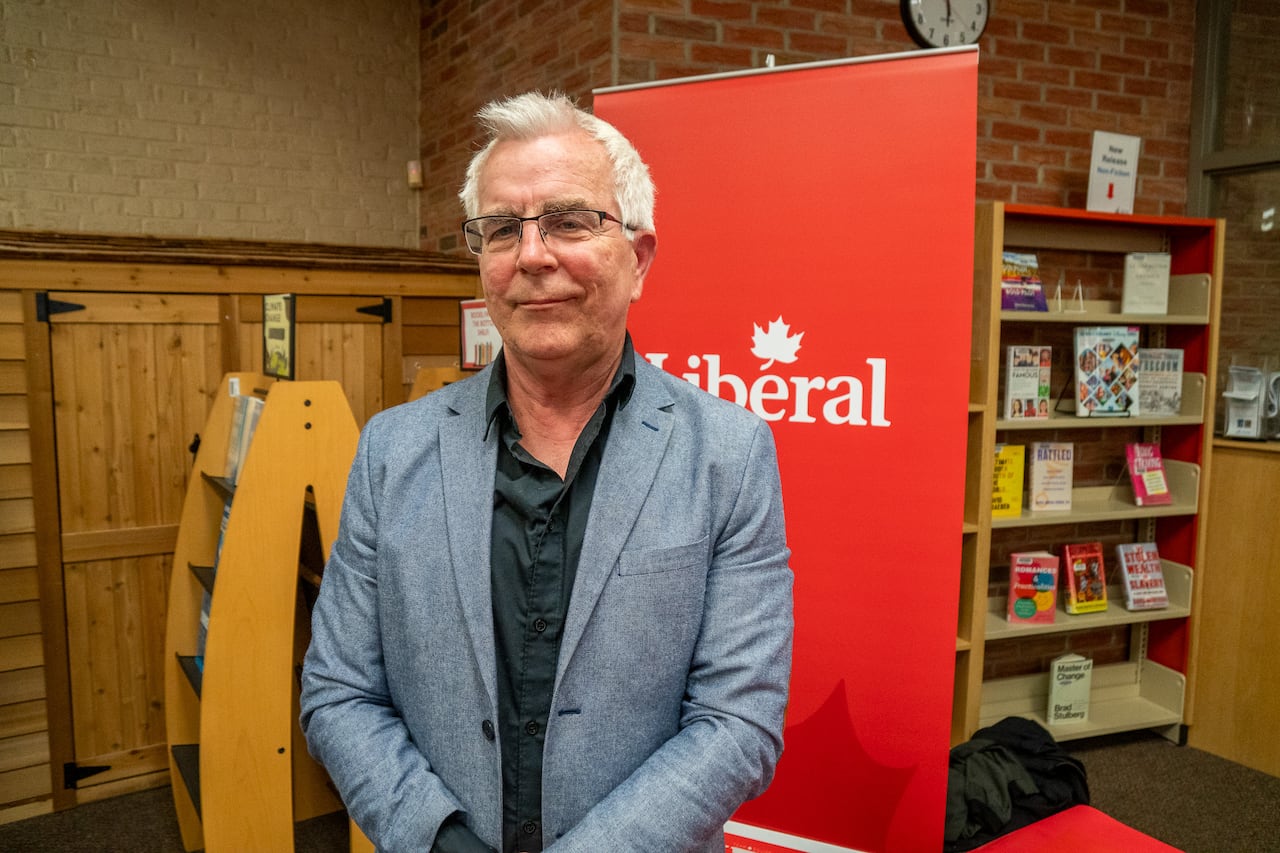 Thunder Bay-Rainy River MP Marcus Powlowski says he isn’t certain whether the Trump administration will listen to Canadian concerns about potential mining pollution through Boundary Waters at the Minnesota-Ontario border. ‘The end of this story isn’t really apparent at the moment,’ he said. (Sarah Law/CBC)
“This would seem to be contrary to the [U.S.-Canada] Boundary Waters agreement,” he said. “Now having said that, how or if the Trump administration is going to honour that agreement or where we go from here … I’m not sure.”
Gakijiwanong Anishinaabe Nation
Carrie Atatise-Norwegian is the chief of a First Nations community that is located near the Boundary Waters area.
The leader of Gakijiwanong Anishinaabe Nation in the Treaty 3 area, echoes some of the concerns about the potential of a copper sulphide mine in the northwest region.
“An important issue for our nation, given the geographical location of our nation,” said Atatise-Norwegian.
“This decision threatens the lives of our people, water resources and our ancestral lands. As stewards of our lands, will be asserting exercising and protecting our rights, jurisdiction and sovereignty as a nation.”
As for environmental advocate Marshall, he said his group is “hoping that the energy and the alarm that this resolution has caused will create the political momentum for state leaders to take action and protect the Boundary Waters,” referring to the uproar this has caused among opposition in the U.S., who are calling on state officials in Minnesota to push back.
“A highly-polluting mine in this area would really be damaging.”