
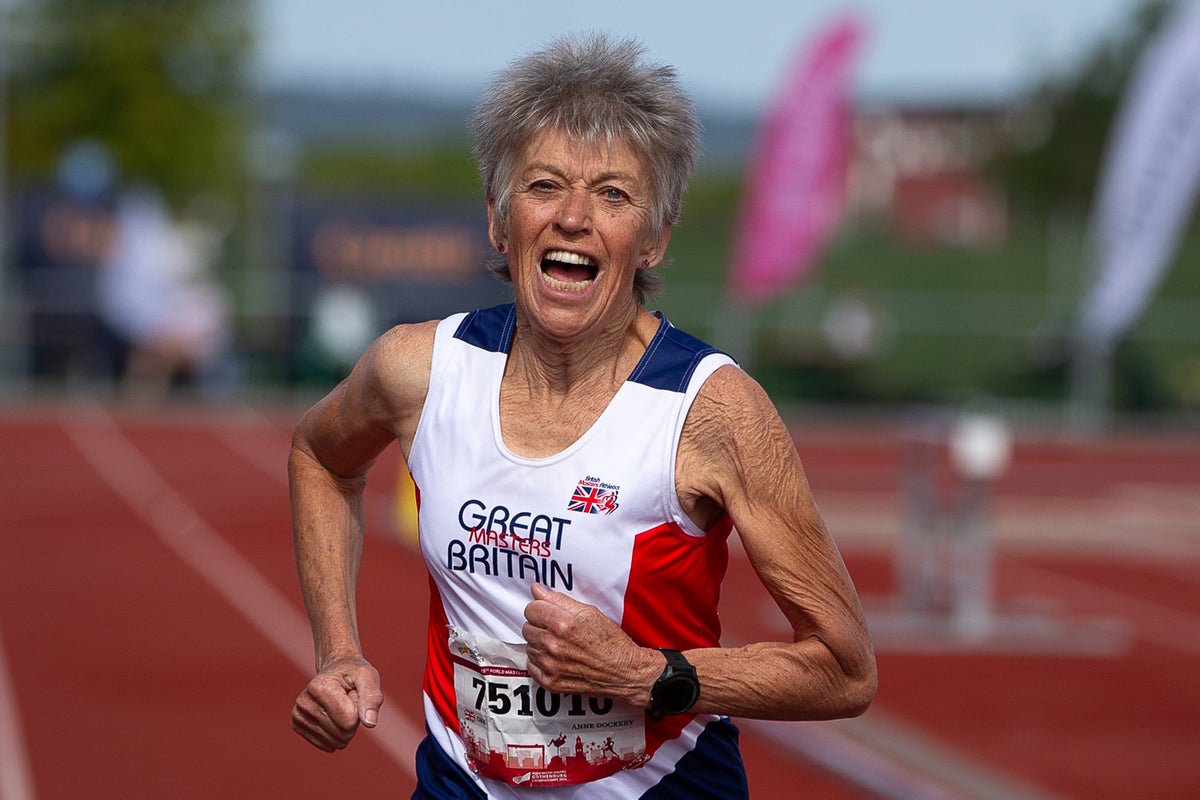
I run a lot, but I’ve never actually done a marathon, so I’ve decided to do my first one this year,” Anne Dockery from Bristol tells me.
I don’t doubt her success, given her recent athletic endeavours: conquering a triathlon totalling 70.3 miles and amassing an impressive medal collection.
From this introduction, it might surprise you to learn that she is 77 years old and only started running in her fifties after a relatively sport-light life. ”I played a little squash when I was younger,” she explains.
“In the old days I thought life was over at 40,” Dockery recalls. “People in my age group were brought up to think we should be sitting down on sofas and doing nothing by now. But I remember being 40, going for a swim and thinking, ‘Actually, I don’t feel any different. I feel fine. I still have plenty of energy.’”
This message persists. If anything, it has evolved. New polling from Age Without Limits – a campaign Dockery is working with, aiming to challenge and change stereotypes around ageing – found that almost half of 55- to 64-year-olds believe no fitness brands fairly represent their age group. “Fitness brands can have every shape, size and colour, but there’s not a single wrinkle in their advertising,” Dockery says.
When older people are featured in adverts, they tend to be linked to products such as funeral plans and stairlifts, campaign co-head Harriet Bailiss says.
Dockery believes this representation, or lack thereof, acts as a gatekeeper to exercise, excluding those aged 45 and above – a demographic which, according to a raft of recent research, can enjoy significant physical and mental health perks from staying active.
‘We’re so used to being ignored that we accept it’
“We’re all getting older; that’s the one universal truth,” Bailiss says. “Yet ageism is one of the most widespread forms of discrimination in this country, and it’s really overlooked.”
Dockery agrees, adding: “The sad thing is that when I talk to people, particularly in my 70-plus age group, they’re so used to being invisible in these adverts that they no longer look for it. This just perpetuates the idea that older people shouldn’t be exercising or doing sports. If we don’t see it, we won’t do it.”
With a change in representation, the opposite could be true, she argues.
“Just look at the effect the Lionesses had. You had lots of young women suddenly feeling it was good and positive for women to be seen being active.”
There may be the argument that consumers vote with their feet and advertisers adapt accordingly. But, Bailiss counters, “we know that collectively, the 50-plus age group has huge spending power”.
“Brands must know this too,” she continues. “So it is absurd that the majority still acts as if this huge collection of consumers does not exist and are not worthy of their efforts to reach them.”
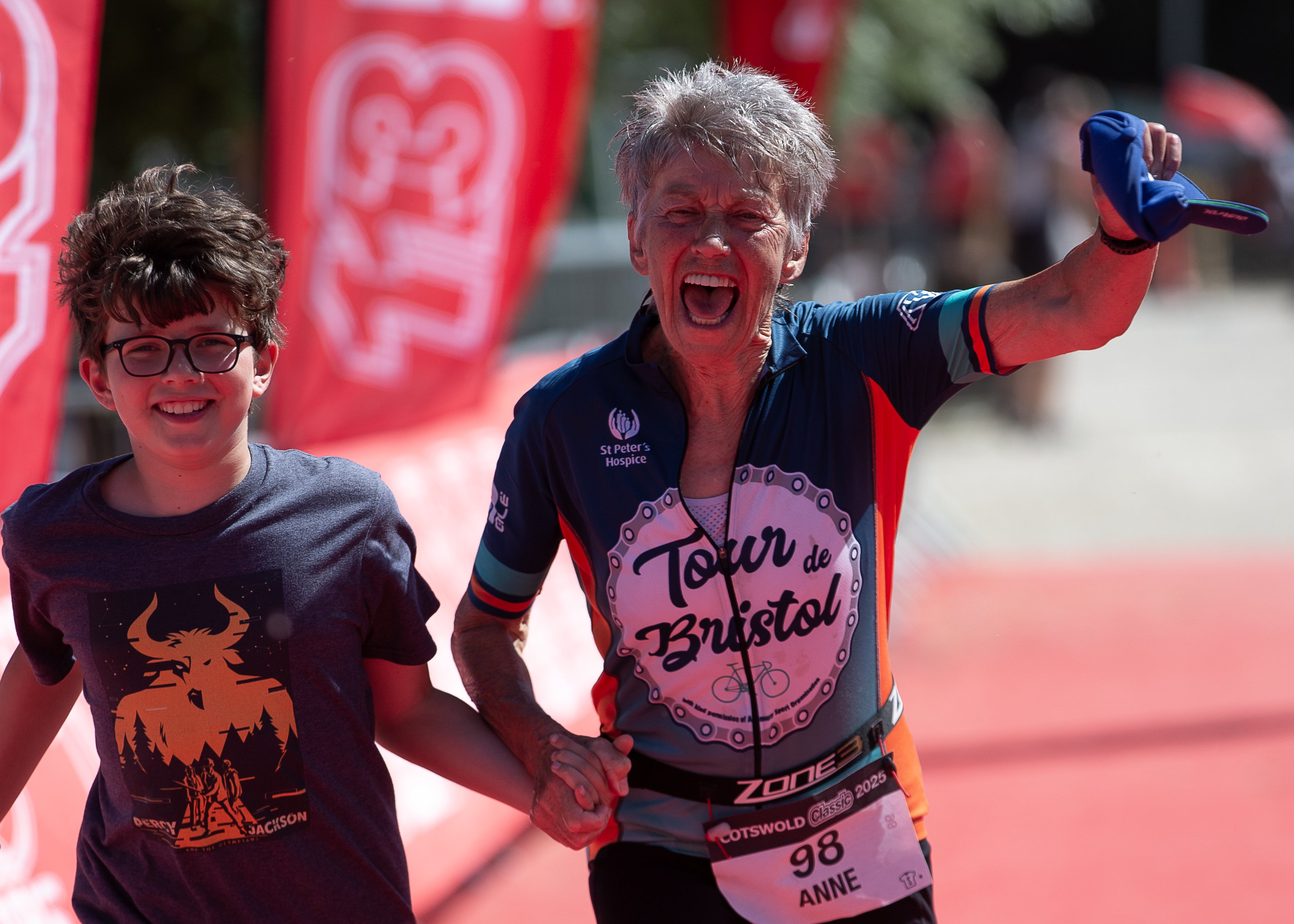 Anne Dockery started running in her fifties and says she now can’t imagine life without it (Alex Rotas/Rotas Photography)
The exercise effect
Exercise is good for you. Any hurdle to exercise is likely to damage the nation’s health. By alienating older exercisers, fitness brands and advertisers are forging a significant barrier, particularly because exercise is not always an easy sell.
“I think people are put off exercise because it is hard to start with,” Dockery says. “It takes a little bit of time to get into.”
She started running at 52 as a way to strengthen her lungs and counter a diagnosis of bronchiectasis – a chronic lung disease. But it was not all plain sailing. “I thought it was so boring to begin with,” she admits.
The thing that hooked her was community. She joined a group of fellow runners spanning all ages and soon fell in love with the sport.
“As soon as you join any club, everybody is so supportive,” Dockery says. “A lot of people are put off joining clubs because they think, if they’re not really good at something, other people will look down on them in some way. But it’s quite the opposite. People want you to join. They want to encourage you.
“It’s much more fun running with people. Then, gradually, I started more competitive running.”
Competition, an element of exercise most people leave at school, only stoked the fire in her belly. “Doing that first race, where I actually got a medal for coming second in the 50-60 age group – that was the point where the spark came and I decided to carry on running,” Dockery says. “That was wonderful. I’d never had a medal before. Before then, I [wasn’t the sort of person who] got things like that.”
Advertisers and broadcasters could have a similar impact on others by showcasing older people exercising and being competitive, she says. But most currently don’t.
Read more: I couldn’t hold a plank at 59 – now I can do pull-ups at 76
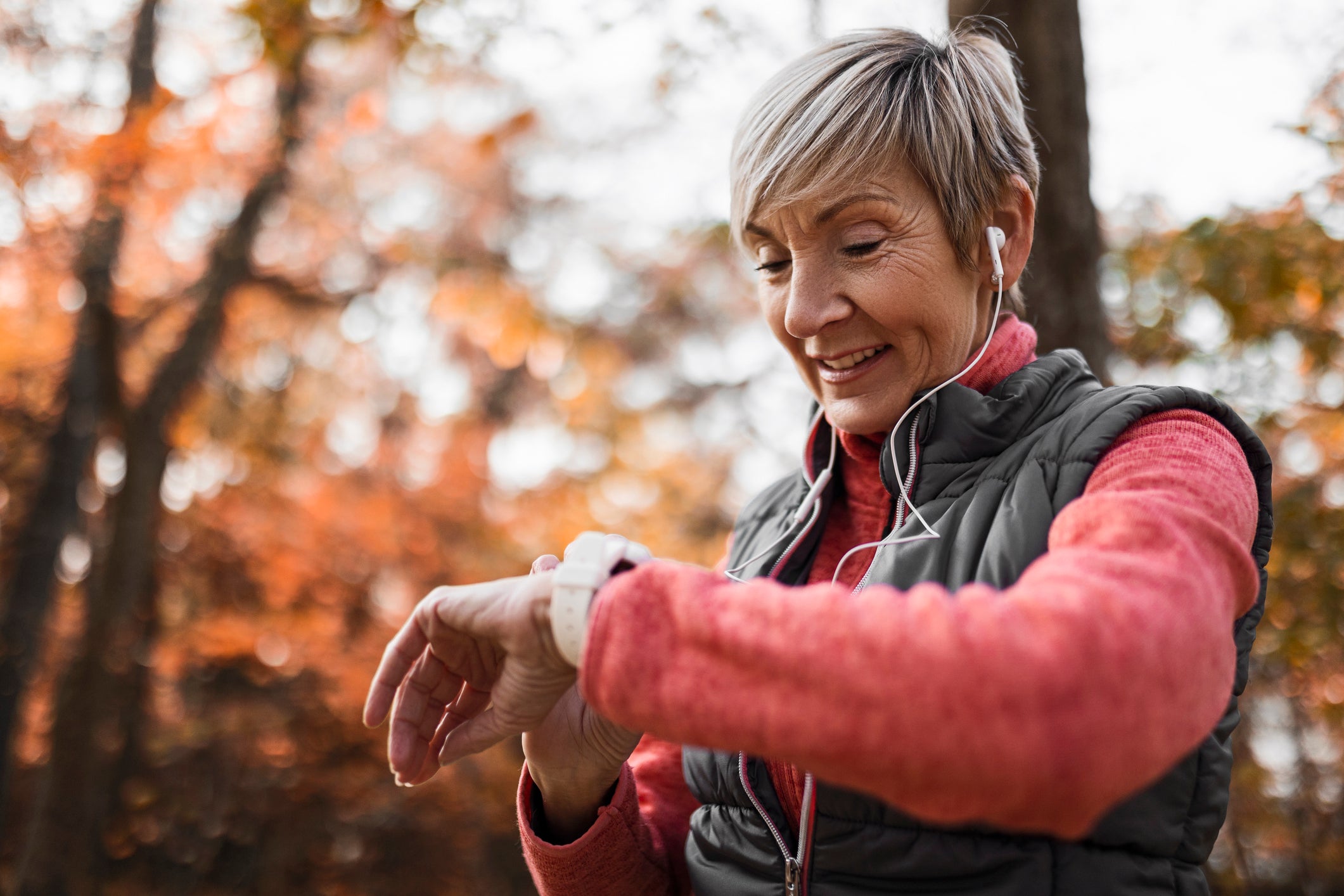 Advertisers turning a blind eye to the representation of older fitness enthusiasts is a missed marketing opportunity (Getty/iStock)
The many benefits that are being missed
Exercise offers a plethora of physical benefits. Most people could list the main ones at a moment’s notice: improving heart health, combatting chronic diseases, building a more capable body, protecting against injury. But the perks don’t end there – far from it.
“I can’t imagine what would have happened to me if I hadn’t started running,” says Dockery. “It opens up so many opportunities – I’ve met so many people, I’ve challenged myself and I can’t imagine life without it now.
“From starting at 52, I gradually built up and built up and built up. I joined a group that ran on Sunday mornings and eventually I was running 15 miles, then 18 miles, and just loving running. And then I got competitive.
“But it was through running that I met people; it was through running that I ended up doing a triathlon; it was through running that all these avenues opened up to me.”
In her seventies, Dockery moved to Bristol to be nearer her daughter and grandchildren, having spent 15 years stateside. Exercise again proved to be a valuable social tool.
“It was a difficult time,” she admits. “I’d never been to Bristol before, and when you’re older it’s sometimes quite difficult to meet people. But through running I met lots of people from a wide range of ages.
“Running and triathlon provide a wonderful cross-section of society – you aren’t just restricted to your own age group. And that’s just lovely because, as much as I like older people, it’s nice to spend time with a mixture of ages.”
Read more: The great posture myth – and why slouching might not be as bad as you think
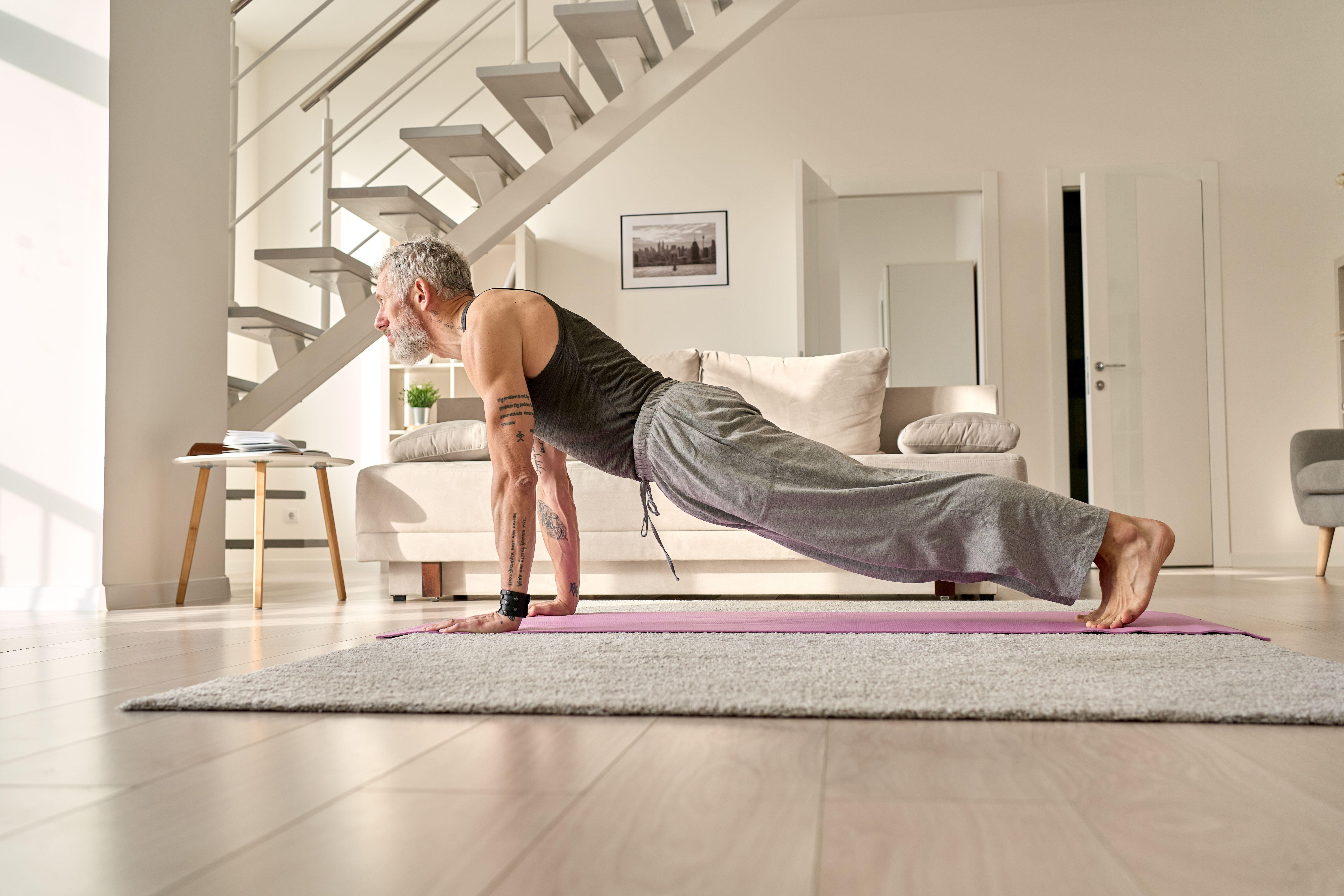 Despite exercise offering a wealth of health benefits, many older people are discouraged from exercising and told to slow down, Age Without Limits co-head Harriet Bailiss says (Alamy/PA)
An antidote to loneliness
At a time when social isolation is a growing concern, group exercise seems to offer an effective remedy. But many people over the age of 45 believe it is too late for them to start.
“I meet lots of people and I tell them what I do,” Dockery says. “I don’t boast, but I do tell people, because people need to know that it’s possible.
“I’m not expecting anybody to be as mad as I am about it because I’m an adrenaline junkie. But if people don’t know you can do it, they don’t see other people like them doing it and they don’t see older people in active clothes, they aren’t going to start.
“People need courage. As you get older, you do begin to worry what people will think – you shouldn’t, but it does happen. And in my age group, people haven’t really encouraged us in later life.”
After talking about her triathlon escapades on the radio, she received a message from a woman in her 50s who thought she would never exercise again. Dockery’s story persuaded her to dust off her trainers.
“I think a lot of people have their children and their life alters,” Dockery says. “When you have children, you can’t do all of the things you want to do and it’s easy to think, ‘Oh gosh, I’m never going to exercise again’. But there are so many of us out there who can prove otherwise.
“That’s why I think it’s so sad that there’s no media representation [of older people exercising], both in advertising and also on television to inspire people. We shouldn’t be invisible.”
Read more: I did goblet squats every day for a month – the results surprised me