
Step into a forest and it feels alive in every direction. Birds call from above, insects fill the air with a steady hum, and leaves rustle as unseen creatures move through the undergrowth. It feels complete, almost timeless.
But this sense of fullness hides a deeper truth. What we see today is only a portion of what once existed.

These landscapes were once home to larger animals and richer ecological relationships. Many of those species are gone, yet their absence still shapes the natural world around us.
A recent study brings this hidden story into focus by shifting attention away from why species vanished and toward what happened after they disappeared.
A new question emerges
For years, scientists have tried to explain the loss of large animals. Some point to climate shifts, others to human hunting, and many agree both played a role.
This study, led by Chia Hsieh and Lydia Beaudrot at Michigan State University, takes a different path.
Instead of revisiting the cause of extinction, the team explored the long-term effects. This approach opens a new way to understand ecosystems.
Comparisons across continents
The team examined 389 sites across Africa, Asia, and the Americas. These regions share similar climates, which makes comparison more reliable.
They mapped food webs that included more than 440 mammal species. They studied predator and prey links, species diversity, and how these connections differ across continents.
The goal was simple. If similar environments show different ecological patterns, then past events must have shaped them.
Food webs reveal loss
The findings show a striking contrast. In the Americas, food webs are thinner. There are fewer prey species, and most are smaller.
Predators depend on a narrow set of animals that often share similar traits.
Africa presents a richer structure. Predators hunt a wide variety of species with different sizes and behaviors. The system appears more layered and adaptable.
This difference points to something missing in the Americas.
Changes during the Ice Age
To understand this gap, we need to go back to the late Pleistocene.
During this time, many large animals disappeared. Mammoths, saber-toothed cats, and giant sloths vanished along with many others.
All continents experienced losses, but the Americas were hit the hardest. More than three-quarters of large mammals above 100 pounds disappeared.
Africa and Asia retained many of theirs, which helps explain their more complex ecosystems today.
Megafauna loss affects food webs
It is easy to think only large animals mattered. The study shows a broader impact.
“A lot of the lower part of the food web was lost,” Hsieh said.
When large herbivores disappear, the effects spread quickly. Predators lose prey. Scavengers lose carcasses. Parasites lose hosts. The structure of the entire system shifts.
These changes affect every level of the ecosystem.
Data confirms ancient impacts
Beaudrot had noticed signs of this before. Modern ecosystems often seemed incomplete.
“But there weren’t that many data points,” she said.
With this larger dataset, the idea becomes clear. Ecosystems today still carry the imprint of ancient losses.
Ecologists describe these effects as trophic cascades.
“When predators disappear, their prey can multiply unchecked, causing a series of cascading effects,” Beaudrot said.
These cascades do not fade quickly. This study shows they can persist for thousands of years. The past continues to shape present-day ecosystems in lasting ways.
Large mammals face threats today
This research also raises concern about the present.
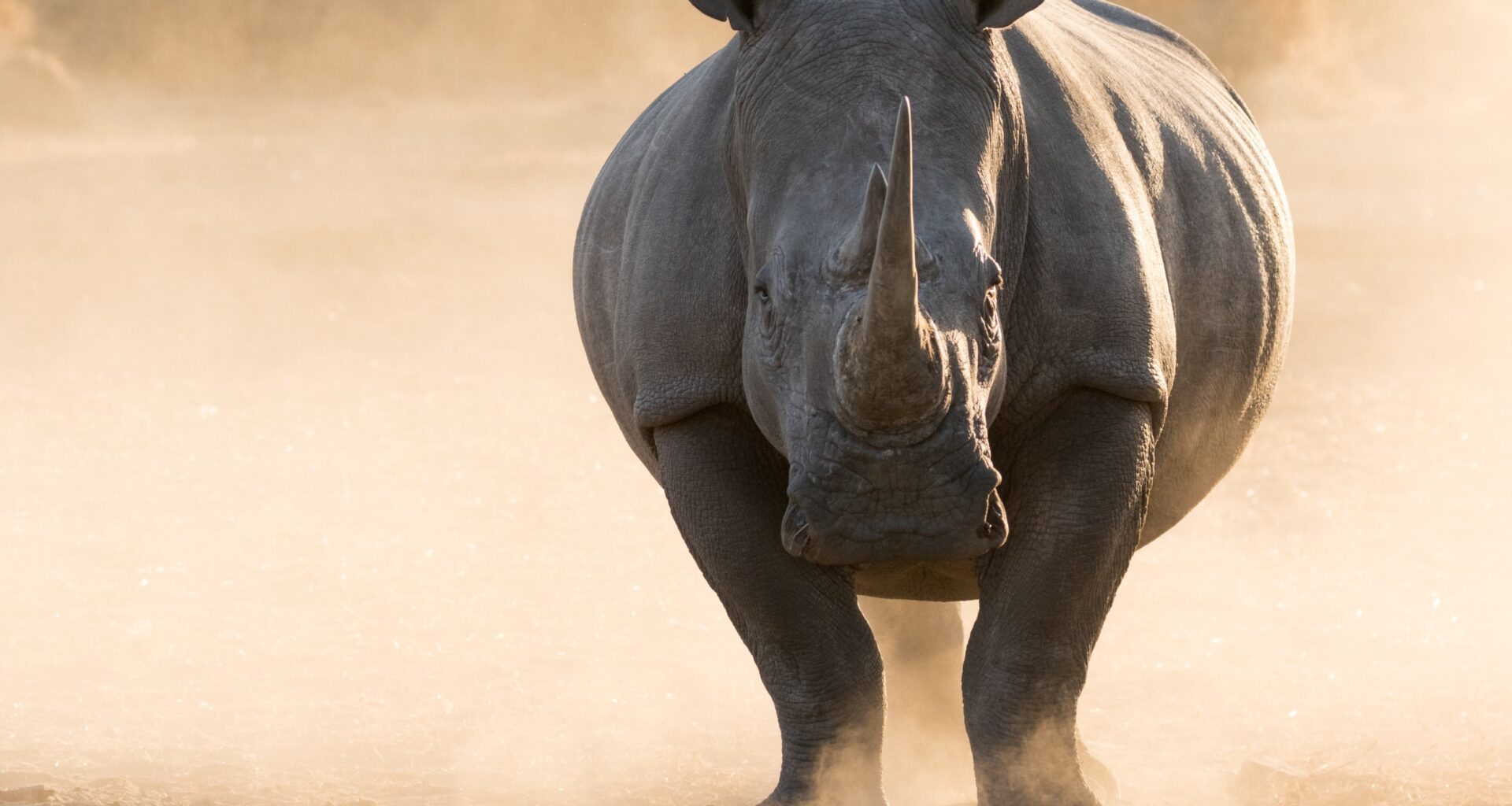
Many large mammals now face serious threats. Nearly half of species over 20 pounds are at risk. Elephants, tigers, rhinos, and jaguars are among those under pressure.
If past extinctions still influence ecosystems, then current losses will also leave deep marks.
Future systems at risk
This leads to an important question. Can ecosystems that have already lost so much withstand further damage?
“By studying the past, we can also try to understand what to expect in the future,” Hsieh said.
Simplified systems may struggle to adapt. They may lack alternative pathways or backup species. This makes them more sensitive to change.
Nature carries its history in subtle but powerful ways. The loss of large animals has left a clear imprint. It influences predator behavior, species diversity, and how energy flows through ecosystems.
When we look at nature today, we are not only seeing what remains. We are also seeing what has been lost.
That absence is not empty. It shapes the structure of life itself.
The study is published in the journal Proceedings of the National Academy of Sciences.
—–
Like what you read? Subscribe to our newsletter for engaging articles, exclusive content, and the latest updates.
Check us out on EarthSnap, a free app brought to you by Eric Ralls and Earth.com.
—–