
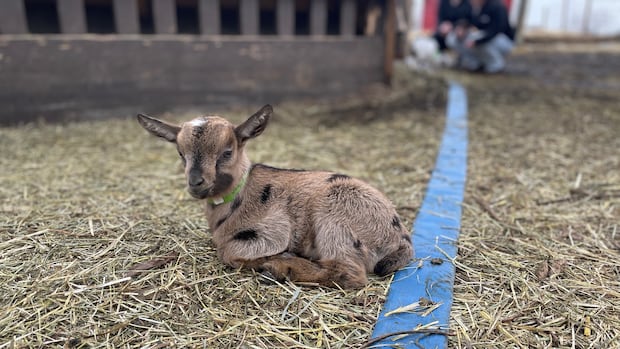

Listen to this article
Estimated 4 minutes
The audio version of this article is generated by AI-based technology. Mispronunciations can occur. We are working with our partners to continually review and improve the results.
A Calgary petting farm that shut down voluntarily due to a parasitic outbreak says it has taken key steps to disinfect the property and opened its doors again Wednesday morning.
Butterfield Acres closed April 26-28 after health officials declared an outbreak of cryptosporidium.
Five people have tested positive for the parasite so far, according to health officials.
Cryptosporidium infections can cause symptoms including watery diarrhea, fever, nausea, vomiting, belly pain and weight loss.
“A Public Health Inspector has visited the site, the site has conducted remediation activities, and the affected areas and animals are not accessible to the public,” a spokesperson for Primary and Preventative Health Services said in an email.
Tania Katay, the farm manager at Butterfield Acres, said several staff members had come down with what they thought was a stomach bug.
Then two workers, who had recently travelled to Mexico, also got sick. Doctors sent them for further testing, she said.
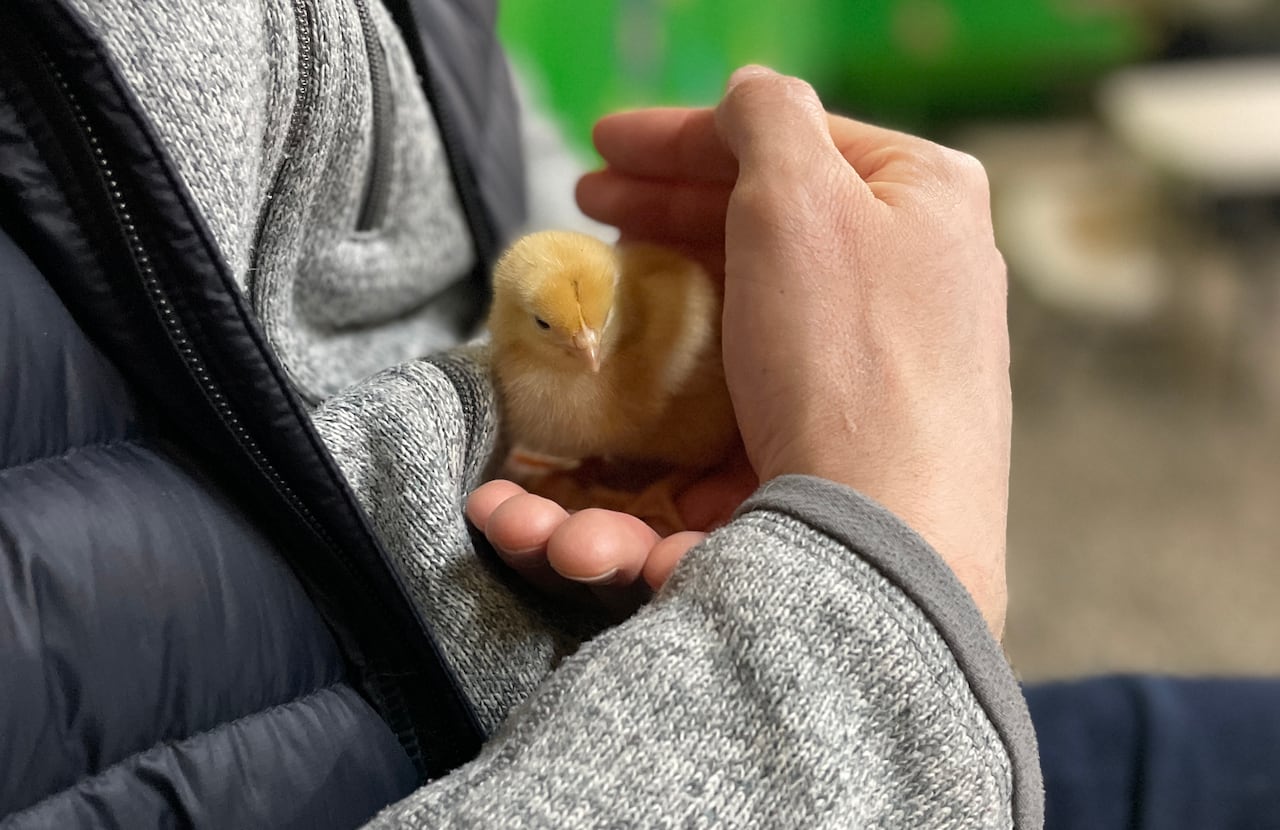 Butterfield Acres allows people to handle the animals on the farm. (Natascia Lypny/CBC)
It wasn’t until their results came back positive for cryptosporidium on Sunday that Katay realized there was a problem on the farm.
“That’s the lightbulb moment. And honestly until then … we didn’t realize they were connected,” said Katay.
“As soon as we knew what we were dealing with, right away we voluntarily closed. We started cleaning the pen that the calves were in. We moved fast.”
Recently purchased calf was the source
According to Katay, the farm purchased twin bull calves from a dairy farm in March. One of them turned out to be infected with cryptosporidium.
That calf was euthanized. The other one is currently in isolation.
Katay said the farm, which had to close in October after avian flu was detected in poultry there, “learned a lot about cleaning and disinfecting during that process.”
After the discovery of cryptosporidium, staff set up special disinfection zones and wore personal protective equipment as they cleaned and emptied pens. They also torched the ground and sprayed the barn, inside and out, with disinfectant. Fences were disinfected, too.
The farm has worked closely with an Alberta Health Services veterinarian, she said.
“Their veterinarian has told us there is no risk of animal to animal transmission. So they’re not concerned … that any of our other animals would be infected,” said Katay.
“Their recommendation is soap and water breaks the parasite chain.”
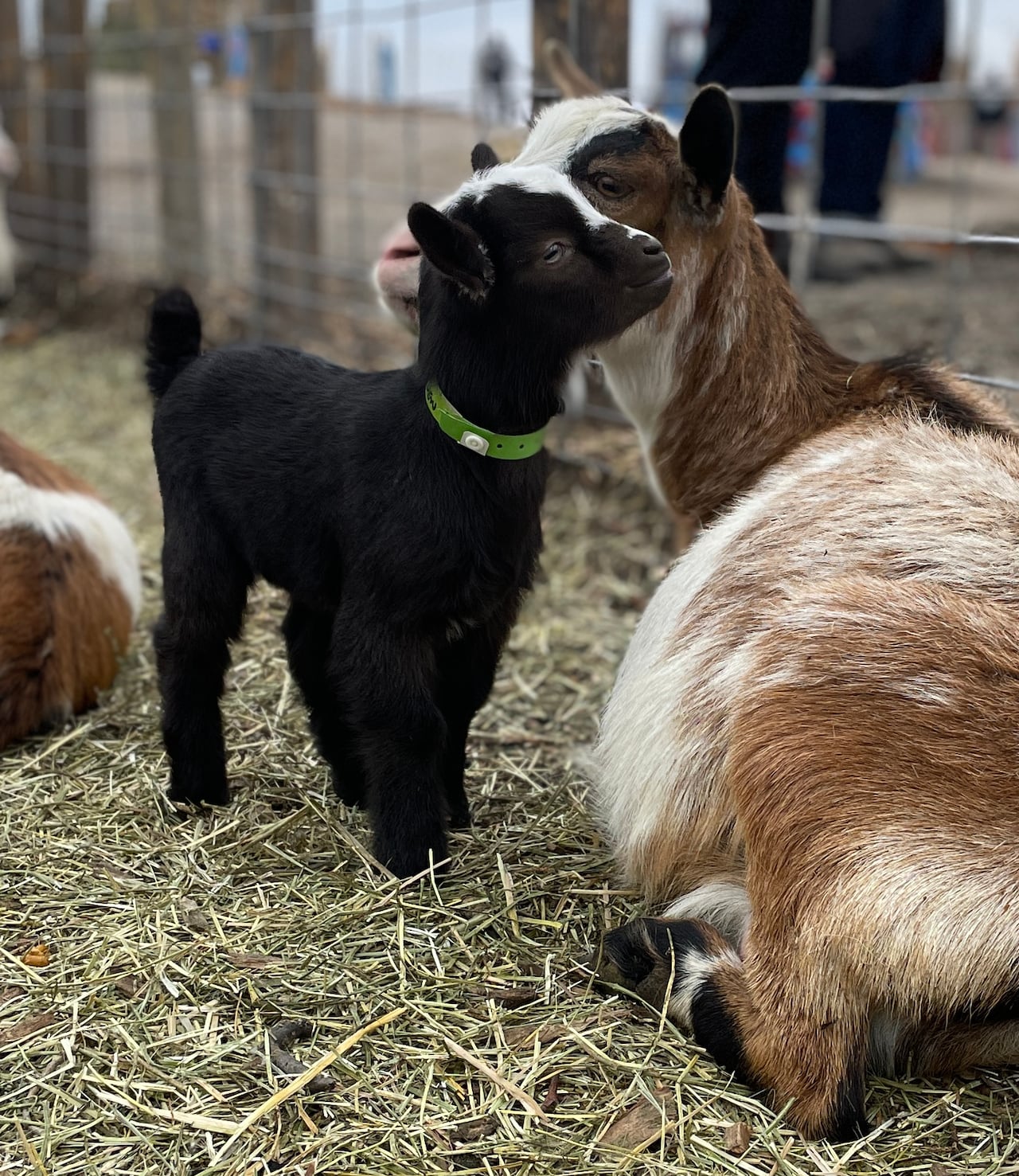 Butterfield Acres is home to several species of animals, which the public can visit with. (Natascia Lypny/CBC)
Now that the farm is open again to the public, Katay said there are signs posted around the property, alerting the public about the outbreak. Staff are also handing out an Alberta Health Services pamphlet and sharing information with visitors as they arrive.
“We’re asking people to be way more diligent about washing their hands and the importance of that,” said Katay.
She said Butterfield Acres had been purchasing calves from the same dairy farm for a number of years and didn’t have them tested.
Moving forward, she said, they will do so right away.
“If we purchase from a dairy again, we would isolate them here, send off the samples … and then go from there. We don’t typically bring other animals to the farm from other places,” she said.
What to look out for
Cryptosporidium is highly contagious. Symptoms can appear between two and 10 days after exposure. It spreads when someone touches the feces of an infected animal or human and then touches their own mouth.
Health officials say most people will recover from the illness on their own, but those who are immunocompromised are at higher risk.
They say anyone who visited Butterfield Acres on or after April 9 may have been exposed, and they’re recommending anyone with symptoms contact Health Link or visit a health care provider.