

Listen to this article
Estimated 4 minutes
The audio version of this article is generated by AI-based technology. Mispronunciations can occur. We are working with our partners to continually review and improve the results.
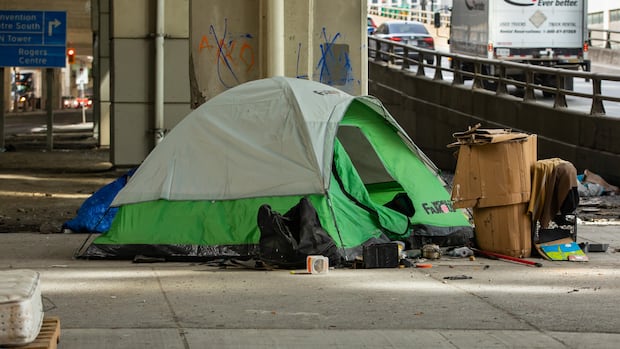
Toronto has seen a substantial drop in the number of homeless encampments in the past year, according to city data, but advocates for unhoused people say that doesn’t mean homelessness is decreasing.
In a statement Wednesday, the city said the number of encampments on its properties decreased year-over-year from 283 in March 2025 to 84 as of March 15, 2026.
The city said it has also seen a significant decrease in encampments in parks where it has used what is calls its “co-ordinated” approach to homelessness.
“We are seeing measurable progress,” the city said in the statement.
Gord Tanner, general manager of Toronto Shelter and Support Services, said there are several reasons for the decrease. The city has connected more people to the resources they need, seen fewer refugee claimants arriving in need of immediate shelter and is using more staff to help people move out of encampments, Tanner said.
“We have had additional resources assigned to us to support our outreach and encampments throughout the city and so that means more people outside connecting with people and offering them support to come into our shelter system or support to establish housing plans,” Tanner said.
In 2025, Tanner said the city housed about 4,700 people from the shelter system and another 370 people from the street.
“It’s just been more work and connecting people to the resources that they’re in need of and more staff to do that work right across the city.”
 Gord Tanner, general manager of Toronto Shelter and Support Services, says more resources mean ‘more people outside connecting with people and offering them support to come into our shelter system or support to establish housing plans.’ (Evan Mitsui/CBC)
Tanner said the city has “contracted” its shelter system slightly because of a drop in demand, saying the number of beds has declined in the past year.
But he said there has been an “uptick of activity” outside of the downtown core. He said the city is partnering with its outreach teams that work in Scarborough, North York and Etobicoke to support their efforts to connect with unhoused people setting up structures there.
Unhoused people sleeping without a tent, advocate says
Diana Chan McNally, a community worker, said the data doesn’t mean homelessness is declining in Toronto. She said many unhoused people are sleeping rough without a tent and sleeping in places where they are less visible.
The data raises questions, she added.
“I’ll take the city at face value that they’re doing better, absolutely, but at the same time, I’m going to tell the city that there are people who are actively trying … to make themselves less of a target,” Chan McNally said.
Chan McNally said the city needs to measure how many people who have been living outdoors have been relocated to permanent, safe and stable affordable housing.
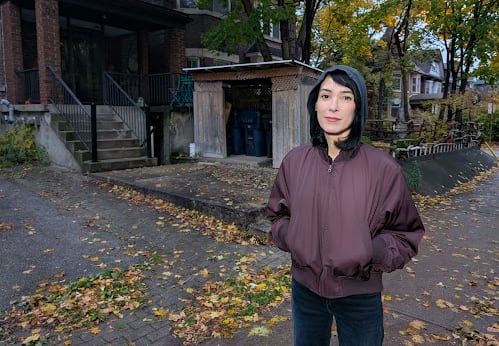 Diana Chan McNally, a community worker, says the city needs to measure how many people who have been living outdoors have been relocated to permanent, safe and stable affordable housing, instead of counting the number of homeless tents in the city on a given day. (Tyler Cheese/CBC)
Sarah Ovens, a case manager at All Saints Church Community Centre at Dundas Street E. and Sherbourne Street, said large encampments during the pandemic were seen as a way to get out of overcrowded shelters. But in the past two years, there have fewer appearing because the city has made a concerted effort to reduce their size and prevalence.
“Some people are staying in stairwells, parking garages, riding transit all night, crashing with friends that might have a place. Some people that still want to be outside have just moved to less visible areas and ravines in places where they’re the only ones staying,” Ovens said.
Tanner, however, said there is a drop in overall homeless numbers, according to the city’s latest Street Needs Assessment report comparing data from October 2024 to October 2025.
But he added: “The work is not done yet.”
According to the city’s shelter system requests for referrals page, an average of 50 people nightly were turned away from shelters in March. Its daily shelter and overnight services page says 8,287 stayed in its shelter system on Tuesday night.
In the last three months, the city’s shelter system flow data says 10,569 people were “actively homeless” in Toronto.