

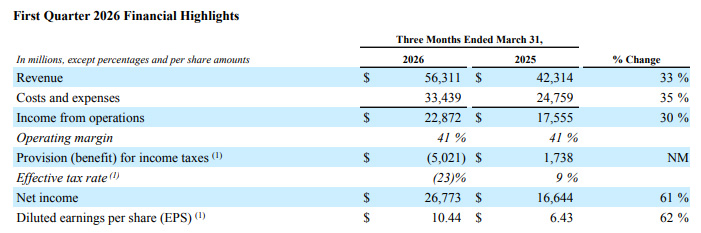
What you need to knowMeta reported record earnings growth for Q1 2026, with the company posting $56.31 billion in revenue, a 33% year-over-year increase.Meta’s spending also increased significantly, up 35% since this time last year with $33 billion in spending from January 1 to March 31, 2026.Meta signaled that its spending will continue to jump because of global component issues, now estimating between $125 billion and $145 billion for the year.
Article continues below
You may like
(Image credit: Meta)
The big uncertainty seems to stem from two big issues: massive infrastructure costs, which have been made worse by this year’s horrendous component supply shortages and cost increases, as well as what investors are calling an “unclear strategy.“
Meta is now saying that the cost of AI development this year may rise by up to $30 billion over the initial low estimate. Jesse Cohen, senior analyst at Investing.com, noted that “Meta’s earnings beat was overshadowed by the Capex surprise. Investors are digesting the reality that Meta’s ambitious AI ambitions come with a hefty price tag that will pressure profitability in the near term.”
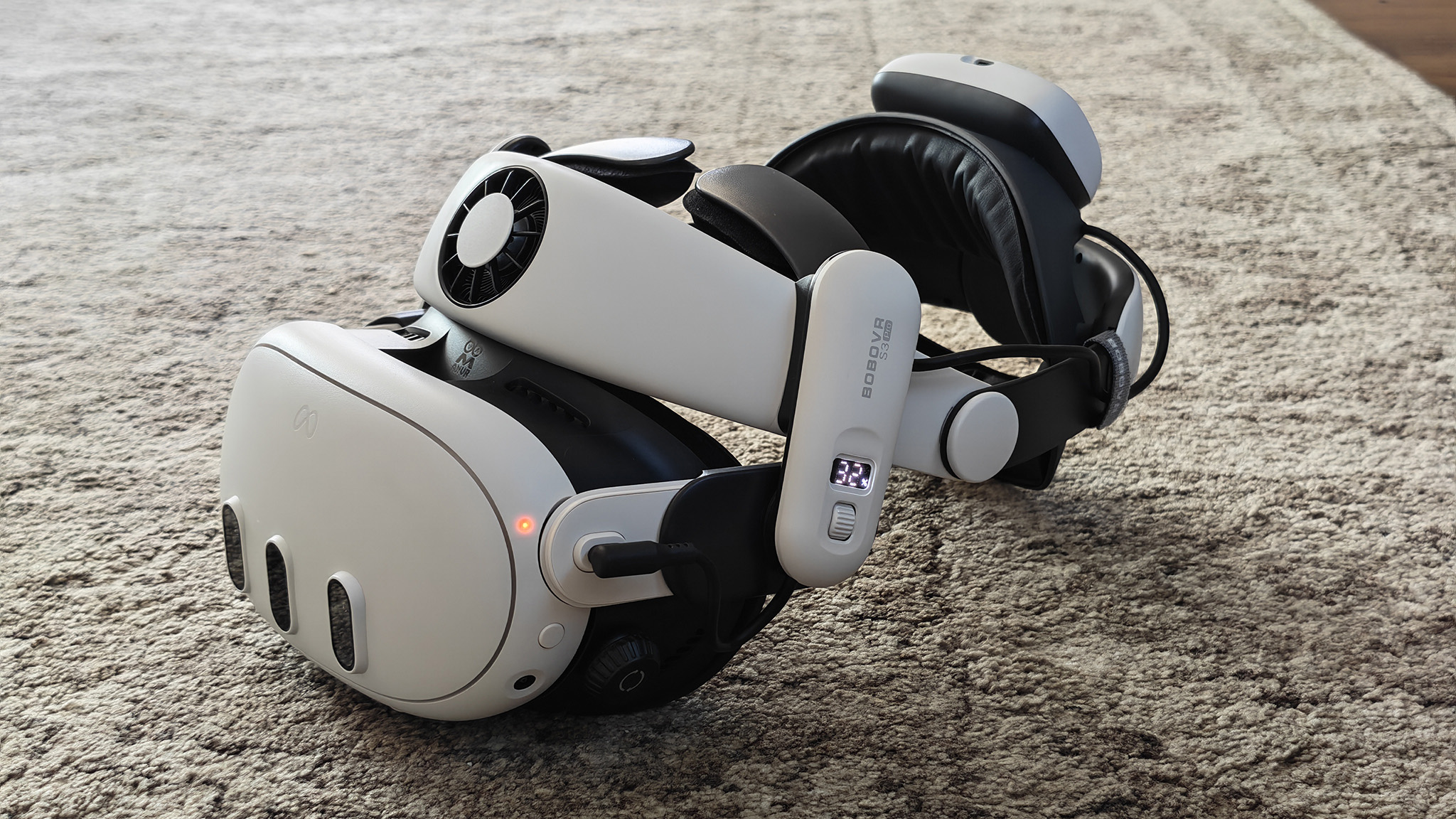
While the company’s Meta Quest, Ray-Ban, and Oakley AI glasses are making good headway in the market, year-over-year revenue is slightly down by $10 million. Meta has a solid foothold on these markets and has little competition in either VR or AI glasses at the moment, but companies like Samsung are set to debut new AI glasses this year.
(Image credit: Nicholas Sutrich / Android Central)
But revenue growth for these products has been surprisingly slow, and that’s what has had investors scared for the past few years as Meta dumped tens of billions into R&D for AR and VR products. During the call, Meta specifically called out lower-than-expected Quest sales as one of the reasons for the drop.
“The critical threshold will be if we see consecutive quarters of rising Capex coinciding with decelerating revenue growth,” Cohen said. “If that happens, the narrative will permanently shift from ‘building the future’ to ‘burning cash on a speculative vision’ with no guaranteed payoff.”
That last part is the real danger, as Meta is absolutely hoping to avoid another Reality Labs debacle, where investors drove the conversation about “losses” every quarter despite Zuckerberg pitching the AR and VR vision as the future of computing.
Android Central’s take
Meta debuted Meta Spark, a new closed-source AI agent, just before the earnings call for a reason. Zuckerberg noted that his “view of AI is very different from others in the industry,” citing that AI should amplify what you want to do instead of replacing humans. “People will be more important in the future, not less,” Zuckerberg clearly pronounced during the earnings call.
But I’m not entirely sold on his vision, and it’s based on the company’s actions over the past few years. While Meta’s headcount of 77,986 employees is 1% higher than this time last year, the company has spent substantial mindshare with massive public layoffs. While more people are clicking the company’s ads than ever, public opinion of its physical products seems to be lower than ever because of these moves. Even Meta employees are said to be feeling the slump.
Meta is very much a Silicon Valley company, and that means it moves fast, breaks things often, and abandons anything that doesn’t immediately produce results. The massive changes made with Meta Quest headsets have made the VR community more uncertain than ever, and there’s real concern that this fear could affect the company’s future efforts if it continues on the current path.