
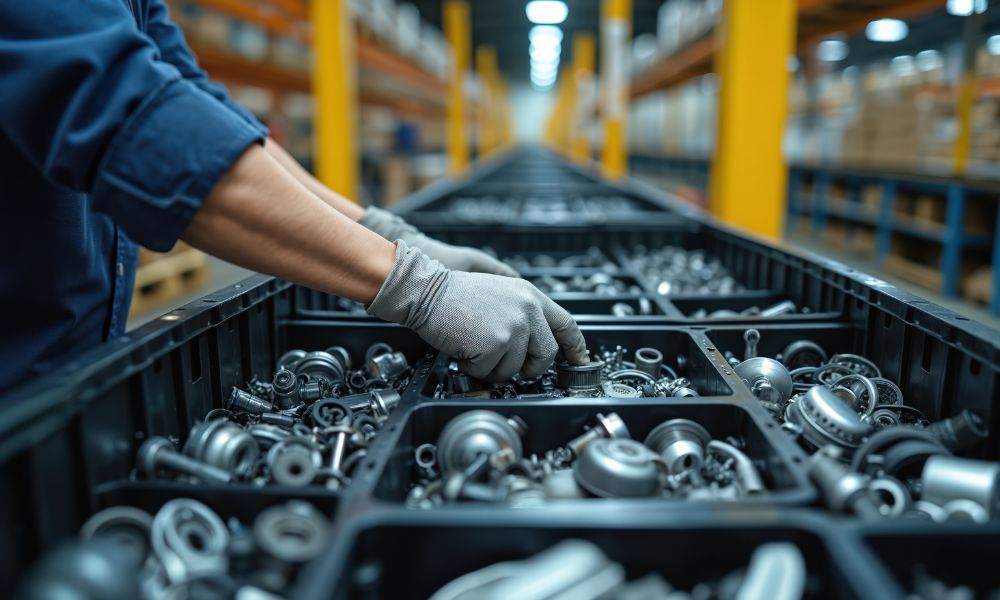
Surge in manufacturing, motor vehicle and parts output
Manufacturing was the standout story. StatsCan reported that overall manufacturing activity rose 1.8 per cent in February, the fastest pace since early 2023. Durable goods producers led the way, with machinery manufacturing surging 8.7 per cent as industrial and metalworking machinery makers benefited from stronger export demand. Transportation equipment manufacturing climbed 5.5 per cent, helped by a sharp rebound in motor vehicles and parts.
Motor vehicle and parts output jumped 9.8 per cent in February, including a 20.4 per cent gain in motor vehicle manufacturing and solid increases in parts production. Several auto assembly plants in Ontario ramped up after shutdowns for retooling and model changes earlier in the year, a sign that investment in new product lines is beginning to translate into higher production, said StatsCan.
Wholesale trade and transportation and warehousing also strengthened in February, reflecting the easing of bottlenecks in the automotive supply chain. Motor vehicle and parts wholesalers saw a 6.1 per cent increase in activity, while truck transportation posted its largest gain since 2021 as freight movements picked up, according to the report.
Overall economic growth in first quarter
At the same time, there are signs overall momentum is moderating. StatsCan’s advance estimate points to essentially flat GDP in March and implies the economy grew at an annualized rate of about 1.7 per cent in the first quarter, following a contraction of 0.6 per cent in the fourth quarter of 2025. This pace would be slightly stronger than the Bank of Canada’s most recent 1.5 per cent forecast, according to the Canadian Press.
For HR executives in manufacturing and related sectors, the combination of modest macroeconomic growth and outsized gains in factory output presents a complex planning environment.