
Landing in Vancouver in July 1982, I carried a photo album, the responsibility of caring for two brothers and an uncertain future.
We had fled Iran after the persecution of Bahá’ís intensified after the revolution. My parents, fearing for our safety, sent us to another country. We spent three years in the Philippines, unable to study, unable to work and increasingly distraught about news of Bahá’ís back home being arrested, tortured or killed.
Canada, a place we had never seen, took us in.
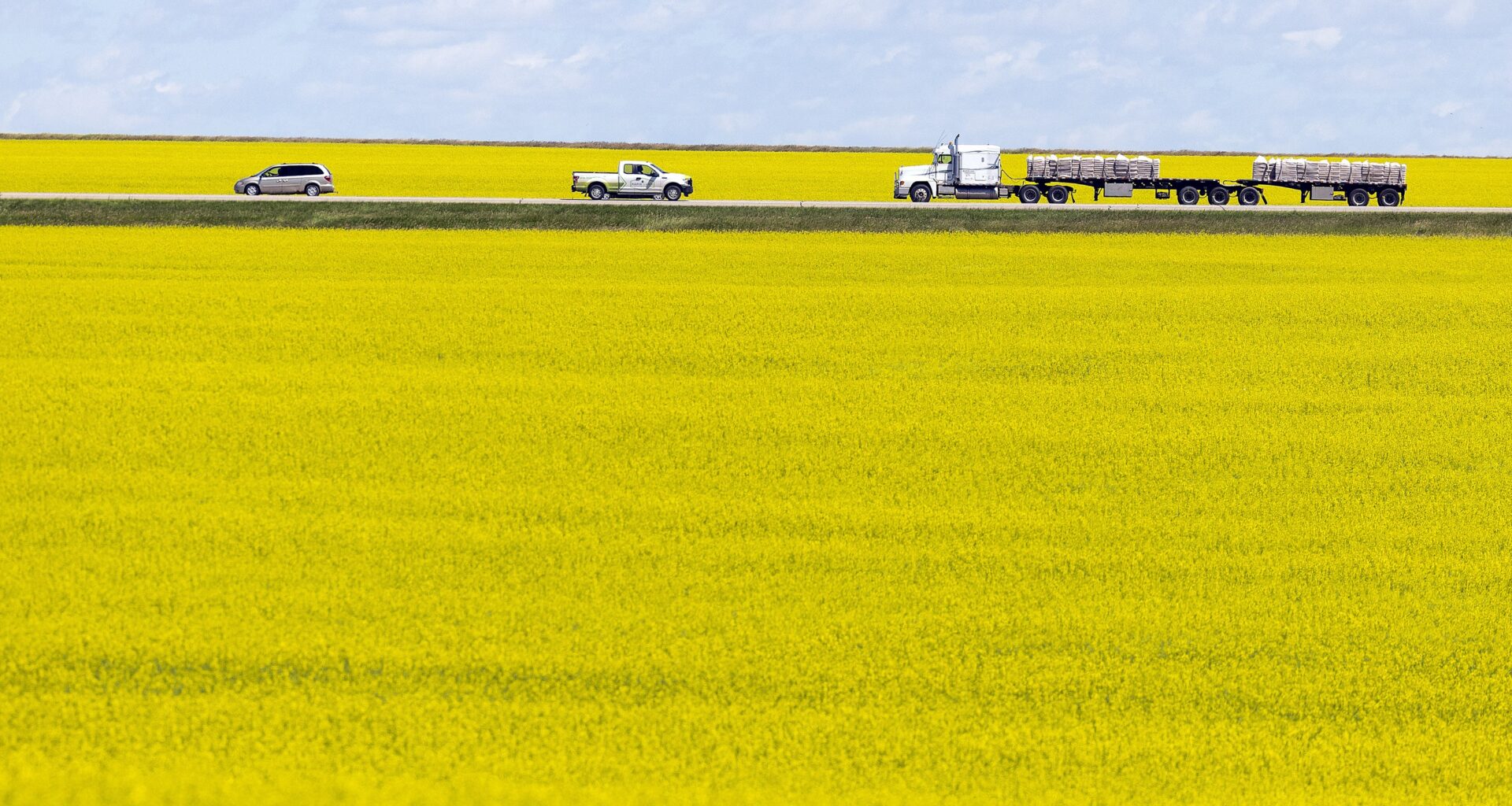
From the window of a bus heading to Swift Current, the Prairies stretched farther than anything I had known. Wheat fields danced in the wind; the sky felt endless. I wondered quietly, where are the people? When we arrived, a member of the Bahá’í community warmly welcomed us.
Within days of arriving, at 21, I found a job washing floors and dishes in a restau- rant a 40-minute walk from our apartment. The work was exhausting, the hours long, but it felt like hope. With my youngest brother in school, it was the first time in years our lives were moving forward.
I met Archie, my future husband, in a basement suite the year we arrived. My English was limited; his Persian nonexistent. All I could do was show him family photos. Pictures from a life we could not return to.
For him, I was a young woman determined to build a future. For me, he was someone who saw us not as refugees, but as neighbours.
Canada gave me safety and a sense of purpose. I learned English, worked in restaurants, raised children, opened a daycare and spent more than two decades as a credit union account manager.
After Archie and I married, I learned the rhythms of Prairie farming; how to read the sky, how to respect the land, how fragile a year’s income can be. I learned that supper at the back of an old farm truck can taste better than any restaurant.
I learned what it means to belong. For more than 25 years, I worked as a volunteer, supported immigrant women, taught English as a second language and opened my home to newcomers.
I never forgot what it felt like to be welcomed.
Canada’s generosity changed my life, but also shaped my children’s. Today, they are a doctor, an engineer and a pharmacist, all serving their communities here.
Today, hundreds of Iranian Bahá’í refugees wait in Turkey with the same uncertainty I once lived — unable to work, unable to study and unable to return to a country.
And yet, even beyond those who have fled, there are those who remain — facing more immediate danger. For decades, the Bahá’í community has been scapegoated during moments of national crisis.
My story is not only a refugee story; it is a Canadian story: Canada offered us safety, dignity and opportunity — based on the belief those fleeing persecution deserve the chance to thrive.
Mahnaz Robertson lives in Saskatoon.