
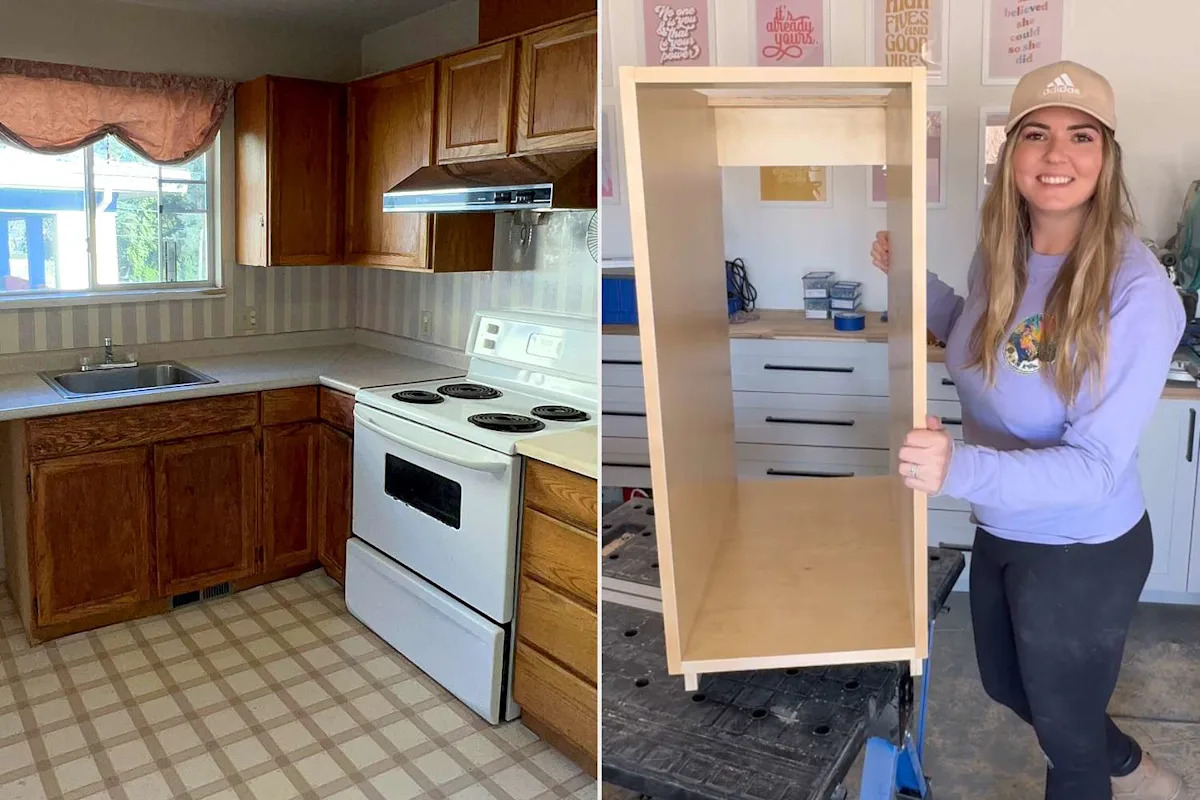
NEED TO KNOW
A DIY house flipper shares the biggest red flags she looks for when buying a home
Structural issues like sinking foundations and cracks are immediate dealbreakers
She says cosmetic changes are manageable, but major repairs can quickly spiral
The home looked promising at first glance, but it didn’t take long for Theresa Vanderstar to notice something was off. The floors felt uneven, the walls showed visible cracks and the structure itself seemed slightly shifted.
As she moved through the space, those details became harder to ignore. What might look like a simple fixer-upper to some buyers quickly signaled a much bigger issue.
Vanderstar, who has spent years renovating homes, has learned to trust those early impressions. When she’s house hunting, she isn’t just thinking about style — she’s thinking about risk.
“[I] wouldn’t touch it with a 10-foot pole,” she tells PEOPLE.
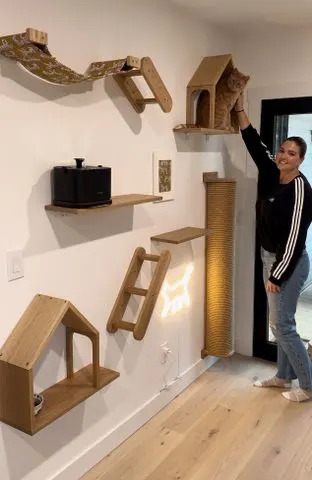
Theresa Vanderstar with her cat and cat wall in her new home
Credit: Theresa Vanderstar
Those kinds of problems go far beyond cosmetic updates. Structural issues can affect everything from safety to long-term costs.
Though Vanderstar is currently still renovating her 1980s home, she says she and her husband are already eyeing other homes that could be their next renovation flip — but some of the homes she’s looked at had issues she refuses to touch.
“You could see the house had sunk in one corner, the windows were all cock-eyed, the doorframes were crooked, there were cracks all over the walls,” she says.
Even after successfully renovating multiple homes, she knows not every project is worth taking on. Some issues come with too many unknowns to justify the investment.
“It’s more the stuff that can really snowball and cost,” she explains.
That doesn’t mean she avoids homes that need work altogether. In fact, she actively looks for properties with potential — as long as the problems are manageable.
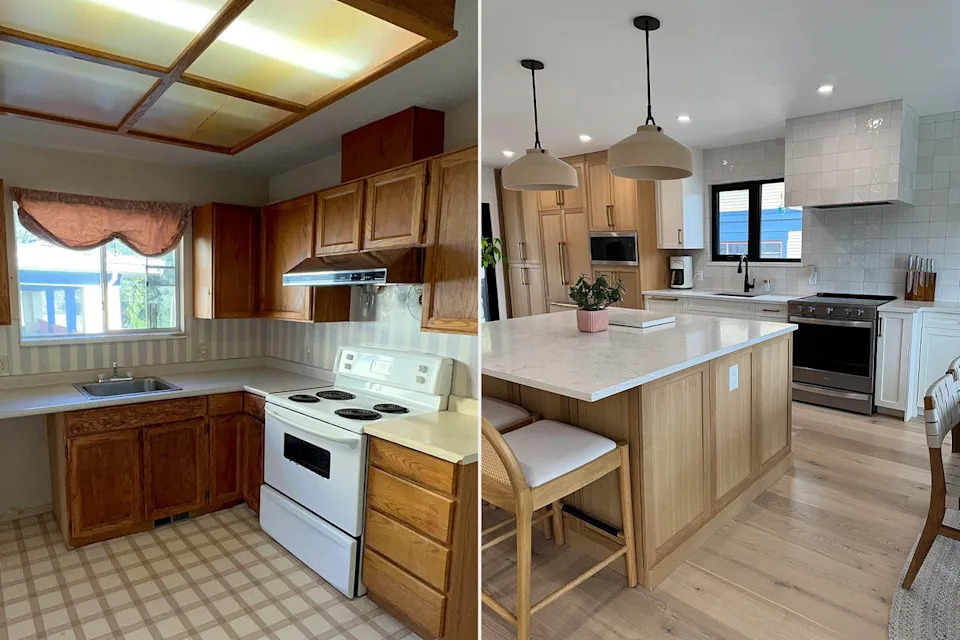
Before and after of Theresa Vanderstar’s kitchen
Credit: Theresa Vanderstar
Cosmetic updates, outdated layouts and even moving walls are all things she’s comfortable tackling. Those projects come with clearer timelines and fewer surprises.
“Even if we had to hire someone to come, like, put in a beam or something, we would do that,” she says.
Even with that flexibility, she’s careful about where she draws the line. Some projects simply fall outside what she wants to take on.
For Vanderstar, the difference ultimately comes down to control. Cosmetic renovations allow her to plan with confidence, while structural issues often don’t.
After years of living in homes mid-renovation, she has also started thinking differently about her next move. The idea of taking on a project without living in it has become more appealing.
Never miss a story — sign up for PEOPLE’s free daily newsletter to stay up-to-date on the best of what PEOPLE has to offer, from celebrity news to compelling human interest stories.
“We’ve been living in renovations for over five years now,” she says.
That experience has shaped not only how she renovates, but how she shops. She’s no longer just chasing potential — she’s looking for the right kind of project.
Ultimately, walking away from a home can be just as important as choosing one. For Vanderstar, knowing when to say no is part of what makes a renovation successful.
Read the original article on People