

Listen to this article
Estimated 5 minutes
The audio version of this article is generated by AI-based technology. Mispronunciations can occur. We are working with our partners to continually review and improve the results.
For decades, the role-playing game Dungeons & Dragons (D&D) has allowed young people to transport themselves to another world where they take on personas such as goblins, elves, warriors and wizards.
But could a game of swords and sorcery help kids who struggle to make friends or who are neurodivergent to build confidence and social bonds in this world too?
It’s a question child therapist Cody Rueger is exploring with a therapy-focused D&D group in Victoria as a part of his masters of counselling through the University of Athabasca.
“The biggest thing is it’s fun. There’s buy-in from the kids. They actually want to engage,” Rueger told CBC’s On the Island on Monday.
“Sometimes, traditional therapy with kids isn’t always the best fit because kids, they communicate through play.”
Dungeons & Dragons is a popular tabletop role-playing game in which participants create customized characters, then work together to overcome challenges and achieve goals through storytelling and narration.
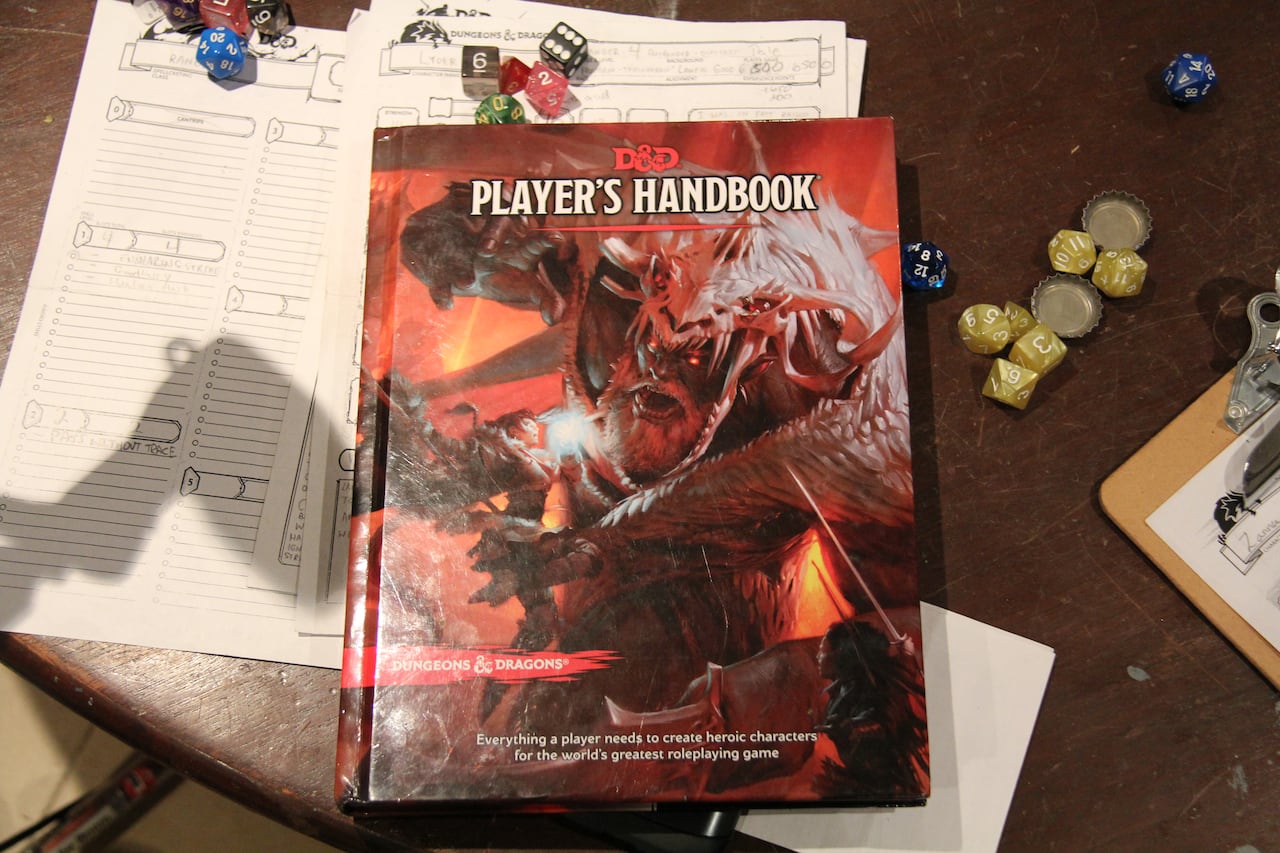 Cody Rueger says developing a character and playing through different challenges in D&D allows kids to grow socially and apply what they learn to real-world scenarios. (Pete Morey/CBC)
Rueger and his co-facilitator, a registered clinical counsellor, have adapted the format for kids who struggle to connect with their peers or who are neurodivergent — an umbrella term that describes people living with disorders such as autism, dyslexia or ADHD.
“It really allows the choice to either create a character that you can grow with as you progress through the story and create the story, or it allows you to create a character that … embodies the skills that you’re hoping to create in yourself, so you can kind of step into that role and practice them,” he explained.
“I work with every group participant before we actually get into the game to create unique goals that they can work towards within the story, and I kind of create the story so that I can help them have situations where they can actually move towards their goals and progress.”
Each game starts with an emotional check-in with the players, and when the session wraps, Rueger and his co-facilitator use a series of reflection questions to talk with the group about things that came up during the activity.
Through the sessions, he says, the players have the chance to work on their communication and social skills in an imaginative environment.
Real-world application
The progress the players make in the game, he says, may carry over to the real world too.
He pointed to an emerging area of psychological research on something called “bleed,” the idea that feelings, confidence or skills people learn in immersive games can carry over to their own lives.
It’s a concept University of Plymouth researchers highlighted in a 2024 study of the therapeutic benefits of tabletop role-playing games like D&D among adults with autism.
WATCH | Ontario program explores D&D benefits for neurodivergent youth: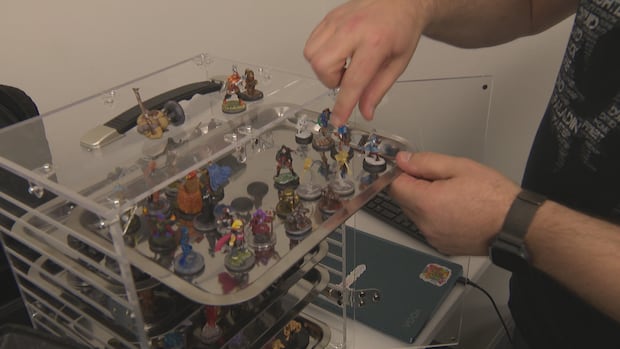
Why Dungeons & Dragons may be a game-changer for neurodivergent youth
Oshawa researchers say Dungeons & Dragons may help neurodivergent youth build social skills. CBC’s Christian D’Avino speaks with local D&D club members about the game’s impact.
That study found the game provided a safe space with supportive social boundaries and a structured and collaborative environment to work through conflict.
Researchers also found that by “allowing their ordinary selves to bleed into their characters,” players could use D&D as a tool to reflect on their own struggles and strengths, and potentially strengthen their own self identities by experiencing “what it feels like to reconceptualise themselves in a different reality.”
Growing popularity
Rueger is not alone in bringing the D&D approach to Canada.
Trent University master of psychology student Jonathan Smith created a similar program in Oshawa, Ont., three years ago that has since exploded in popularity, and earned the support of the municipality.
“Typically, right now, what’s available for them is social skills training,” Smith told CBC News in a recent interview.
“Whereas, we’re just saying, maybe they need a space where they can come in and be themselves.”
Back in Victoria, Rueger has also experienced a surge in interest. The idea was so popular his group filled up immediately, and already has a wait list.
WATCH | How Dungeons & Dragons evolved past the ‘satanic panic’: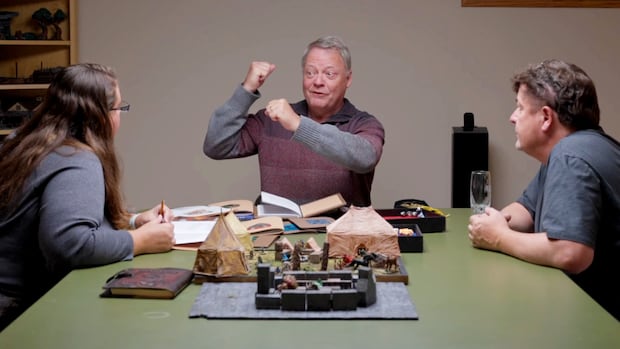
From ‘satanic panic’ to church-approved, Dungeons & Dragons thriving after 50-plus years
From churches and community clubs to game rooms and basements, Manitobans get swept away in the fantasy role-playing game.
But he says he hopes to run additional groups in the future, given the huge demand and what he says are limited resources when it comes to therapy and social skills training through play.
As for his current group?
“I hope they learn some things that they can apply to their real life that might help them socialize, make some friends and just feel more comfortable in social situations,” he said.
“But realistically, my number one goal is always just have fun while you’re learning.”