
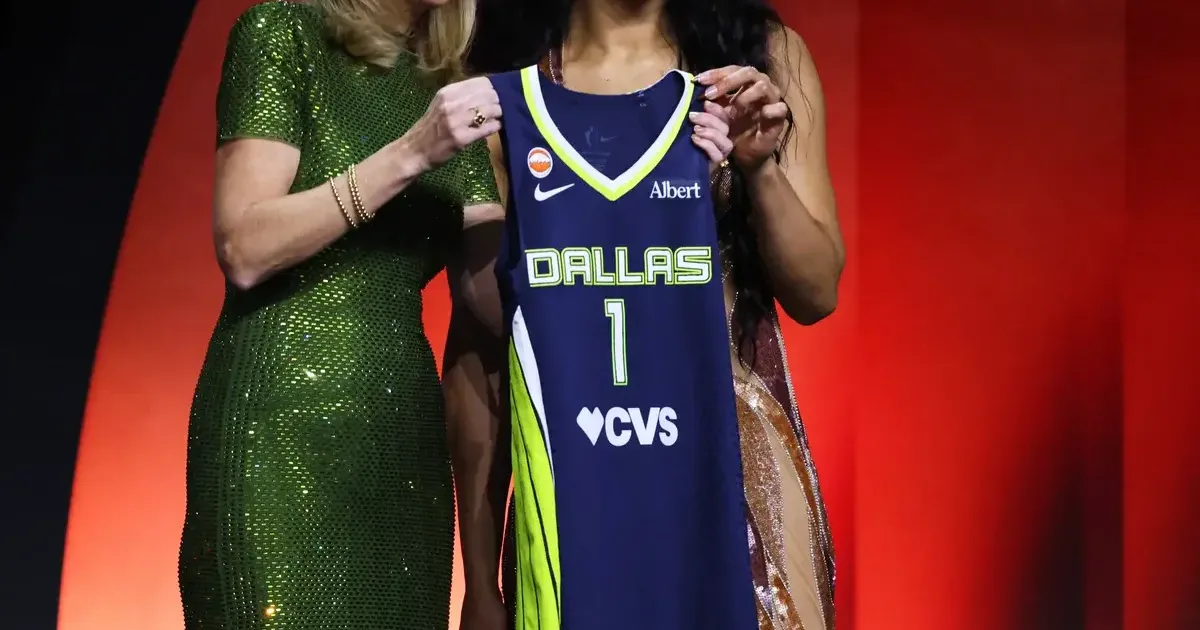
On July 19, 2025, an event shook women’s basketball. During the 2025 All-Star Game, all participating players came together in a collective show of solidarity. Their goal was to openly express their disagreement with the decision-making bodies of the Women’s National Basketball Association (WNBA) regarding player salaries. It is no secret that women’s sports have suffered for decades from the underpayment of their main contributors. In March, their efforts paid off, and led to a global salary increase. As a result, the 2026 draft has two distinct goals this year: to celebrate the debut of a talented group of young players and to launch a new WNBA that better highlights the value these new prospects bring.
The stage is set, striding down the red carpet in their finest attire, the various prospects advance confidently toward a future that looks brighter. Prior to 2026, average salaries in the league remained relatively low, around $100,000 per year, while rookie contracts were particularly limited, with a first overall pick earning approximately $75,000 in their starting year. As a result, new players now benefit from financial advantages their predecessors never experienced, and their contributions to the league are far more clearly recognized.
Most of these recruits come from the National Collegiate Athletic Association (NCAA), where they had already gained national recognition for their talent, partly due to the growing media coverage of women’s sports and the opportunities created by Name, Image and Likeness (NIL). By the time they enter the WNBA, they are already valuable assets, as their name and image bring immediate visibility, media attention and new fans to the league.
With the new collective bargaining agreement, this economic reality is finally being addressed. Starting salaries have increased significantly, now averaging around $350,000 and even more for the top draft picks. This adjustment reflects the league’s improved assessment of the commercial and sporting media impact generated by these players upon entering the league, as well as a desire to reward them fairly.
Additionally, this represents a major step forward for the sport, and for women’s athletics as a whole. For the first time, a WNBA team’s salary cap will exceed $1 million dollars, directly elevating the league’s status. This increase not only improves players’ financial conditions but also strengthens the attractiveness of the WNBA for both emerging talents and international stars.
Ultimately, it sends a strong signal to the sports market: women’s basketball is becoming an increasingly valuable product, capable of generating revenue and attracting significant investment. In the long term, this evolution could help retain players and further encourage the professionalization across the entire ecosystem.
The views expressed are those of the writer and do not necessarily reflect those of The Torch.