

Listen to this article
Estimated 4 minutes
The audio version of this article is generated by AI-based technology. Mispronunciations can occur. We are working with our partners to continually review and improve the results.
The New Brunswick government has been spending more than $2 million a month on electricity assistance for the highest-income households in the province, despite record deficits.
But Finance Minster René Legacy argues the expense is worth the cost because lower-income groups are also benefiting.
“We wanted to do something quickly,” Legacy said in an interview. “And if a few people got some benefits that maybe they don’t need — to give benefit to the whole — it was a price that we were willing to pay.
“I would say yes, it adds to the debt, but it also adds to the relief to New Brunswickers.”
New Brunswick began rebating the provincial sales tax on residential electricity bills in January 2025, fulfilling a promise Liberals made during the 2024 provincial election campaign.
At the time, the province said the rebate was meant “to provide much-needed relief” to those “who are struggling with the rising cost of living.”
However, surveys conducted by Statistics Canada in 2023 show that the top 20 per cent of New Brunswick households, by income, use substantially more electricity than low and middle-income households do. And under the rebate system, higher consumption generates higher amounts of government assistance.
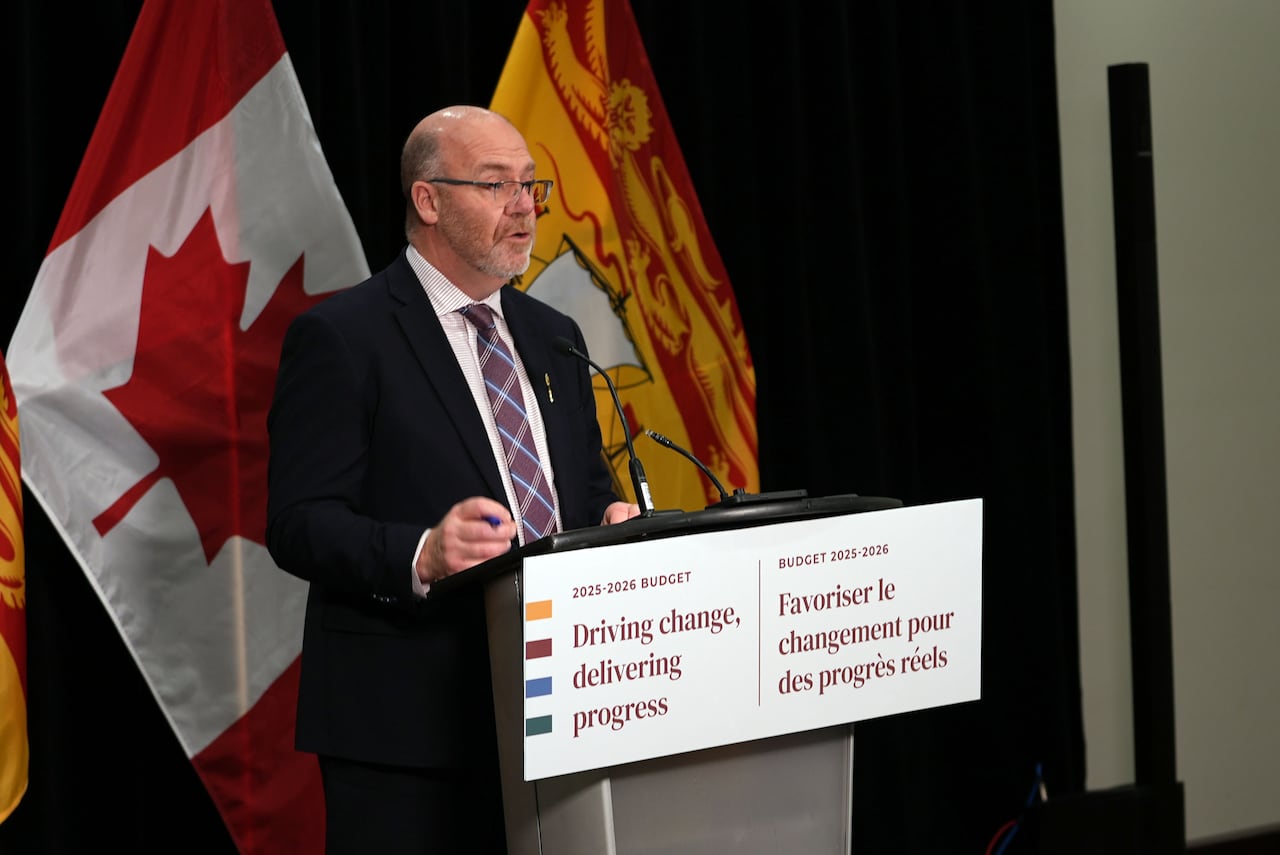 New Brunswick Finance Minister René Legacy says the government needed to act quickly to provide relief to those struggling to pay for electricity. (Michael Heenan/CBC)
According to the surveys, that top group — about 70,000 households with incomes above $134,000 a year, including households with incomes above $1 million — uses on average 40 per cent more electricity than middle-income New Brunswick households.
The top group also consumes 100 per cent more electricity than New Brunswick’s 70,000 lowest-income households, which in 2023 were classified as those living on less than $38,000 a year.
Based on those findings, New Brunswick’s 70,000 highest-income homes would have received about $36 million in electricity assistance from the province over the past 16 months. This is almost exactly double the $18 million in assistance New Brunswick’s 70,000 lowest-income homes would have gotten.
WATCH | Sales tax rebate on electricity means higher savings for higher spenders: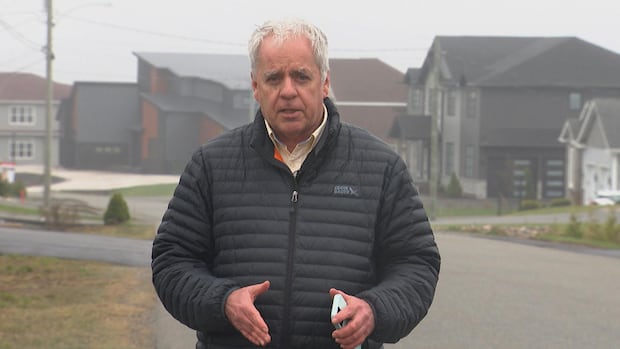
High-income households benefit the most from power bill rebate
An analysis of Statistics Canada data shows that the province’s 70,000 highest income households got roughly double the benefit from the government’s 10 per cent power bill rebate than the 70,000 lowest income homes.
The uneven distribution of assistance comes despite evidence that it is low-income households that struggle the most with high electricity prices.
According to an “energy poverty” report compiled earlier this year by the Saint John-based Human Development Council, low-income New Brunswick families spend a much higher percentage of their household budgets on electricity than high-income families.
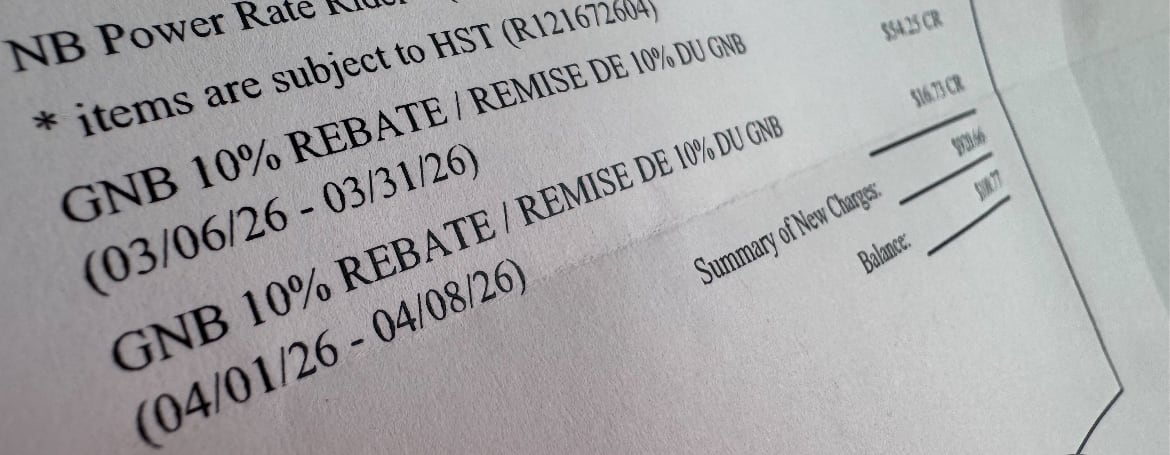 A Saint John Energy electricity bill with New Brunswick government rebate deductions. Since January 2025, the province has spent an estimated $130 million on its rebate program. (Robert Jones/CBC)
“Energy poverty disproportionately affects low-income households,” said the report, which was entered as evidence at N.B. Power’s recent rate hearing.
In April, in a decision awarding N.B. Power a 4.29 per cent increase in its electricity rates, the Energy and Utilities Board cited the work of the Human Development Council and expressed concern about the effect rising electricity costs are having on low-income households.
“The Board heard evidence that energy poverty in New Brunswick is deepening,” the board wrote in its decision.
“The Board recommends that the provincial government consider offering targeted relief to New Brunswickers experiencing energy poverty.”
Randy Hatfield, the executive director of the Human Development Council, said in an interview that if government funding for electricity assistance is limited, it should be directed to where it can do the most good.
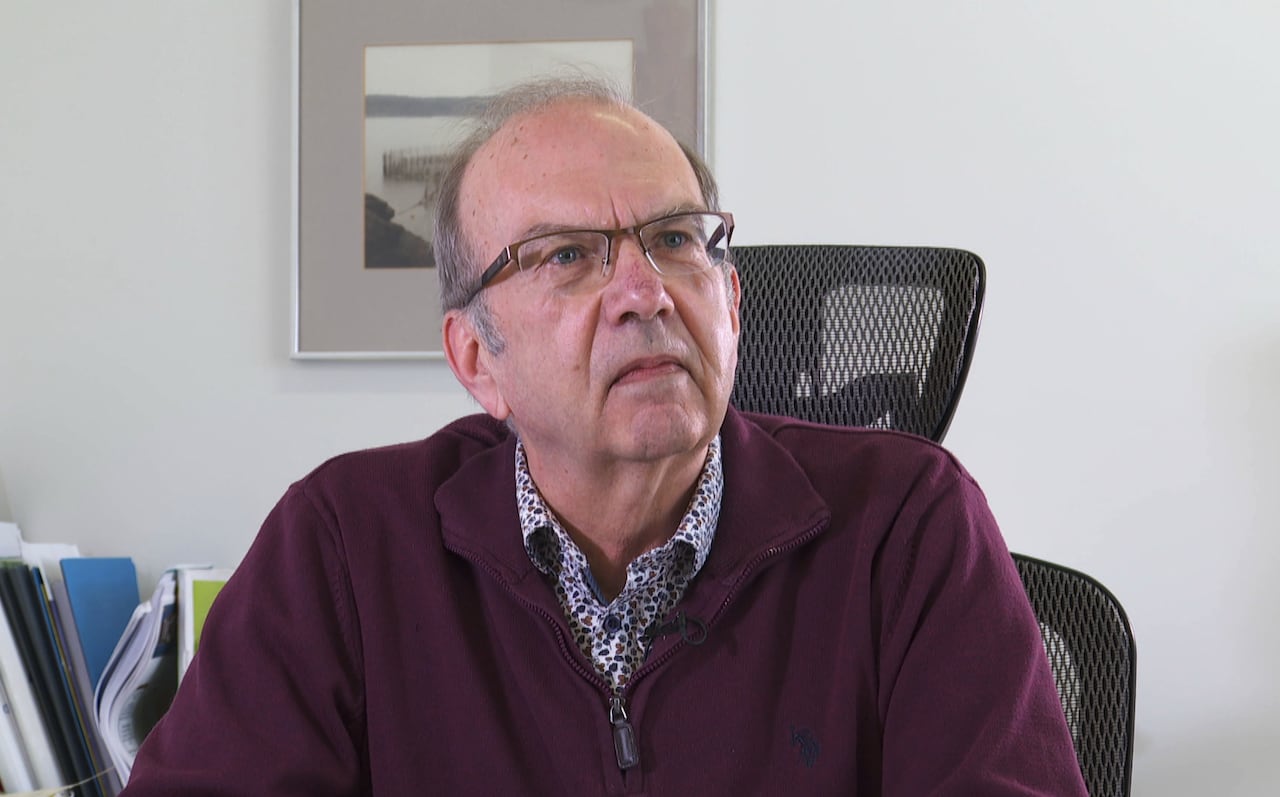 Randy Hatfield of the Human Development Council says assistance with electricity prices shouldn’t be tied exclusively to consumption but targeted at low-income households struggling to pay their bills. (Graham Thompson/CBC)
“If there are scarce resources, and there’s a huge challenge for a significant portion of the population, and if the goal is to reduce energy poverty, then targeting is not only more efficient, but it’s more effective,” he said.
Liberals originally claimed a rebate program would add nothing to the provincial debt.
Record billion-dollar deficits, however, recorded since the Liberals took office, mean the entire $130 million spent on rebates so far has been adding to the province’s financial problems.
Legacy said he is not opposed to looking at a different model to provide electricity assistance, but he also feels the current rebate program has still been a government success.
“It’s still got value,” Legacy said. “Any relief that we could provide New Brunswickers is not a wasted dollar.”