

Listen to this article
Estimated 3 minutes
The audio version of this article is generated by AI-based technology. Mispronunciations can occur. We are working with our partners to continually review and improve the results.
Delays between new Health Canada science and updates to New Brunswick’s drinking water guidelines could expose people to health risks, a physicians’ group warned Thursday.
The province isn’t currently required to update its drinking-water testing and monitoring rules when the federal agency does, and Dr. Chris Arsenault said this leaves a gap.
“If we’re not updating to be in accordance with those guidelines on a reasonable timeline, New Brunswickers may be exposed to toxins that they shouldn’t be,” the Fredericton physician told reporters.
“Not updating to figure out if we should be following a new guideline is a huge hole.”
Arsenault urged a legislative committee reviewing clean-water laws to make it mandatory to review provincial drinking-water testing guidelines any time a new Health Canada guideline comes out.
The New Brunswick Medical Society also wants to see provincial rules keep pace with Health Canada.
WATCH | ‘New Brunswickers may be exposed to toxins that they shouldn’t be,’ group says: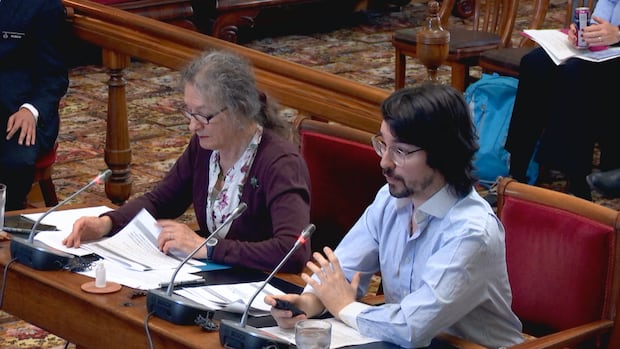
N.B. drinking water guidelines are a health risk if not updated, doctors say
A physician-led environmental group says the province’s drinking water guidelines aren’t keeping pace with Health Canada advice, and told a legislative committee timely updates should be required under clean water laws.
“To minimize health risks associated with consuming poor quality drinking water, the New Brunswick Medical Society supports the recommendation to review provincial drinking water monitoring and testing guidelines promptly when federal guidelines are updated,” Dr. Lise Babin, the society’s president, said in a statement.
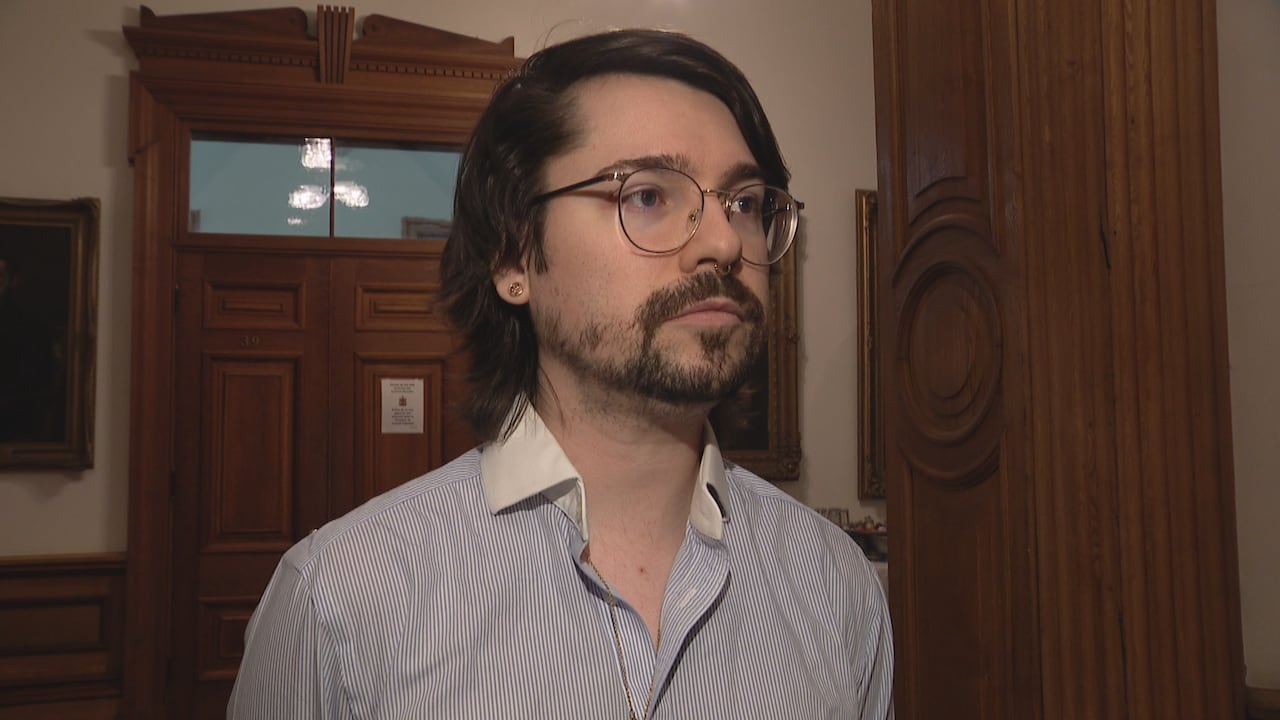 Dr. Chris Arsenault says it can sometimes take years for New Brunswick to update its guidelines for drinking-water testing to reflect new Health Canada advice. (Tara King-Stewart/CBC)
Speaking as co-chair of the New Brunswick chapter of the Canadian Association of Physicians for the Environment, Arsenault said the “ad hoc” process in place now is not always timely enough.
CBC News reported in February that the province updated its drinking-water guidelines on manganese levels — seven years after Health Canada made its own update.
Environment Minister Gilles LePage couldn’t explain the years-long delay, speaking with CBC News at the time.
But Arsenault also said New Brunswick has been late to update its approach with pre- and polyfluoroalkyl substances, a group of chemicals often referred to as PFAS, which don’t break down easily and can pose health risks.
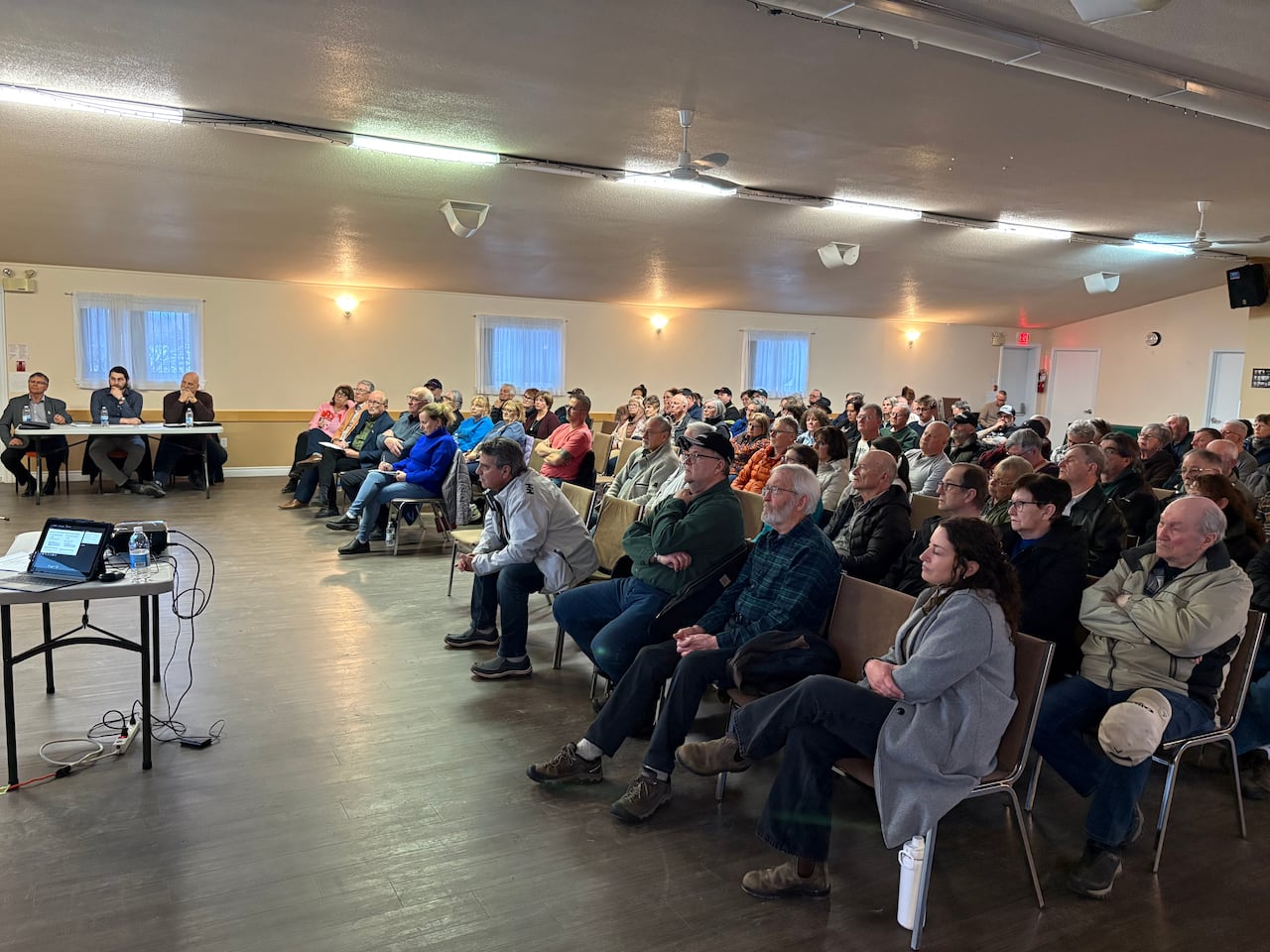 Charlo residents attended an information session in April about PFAS contamination of drinking water. (Honorine Ngountchoup/CBC)
The province began testing for PFAS this year as part of a pilot project and found elevated levels of the chemicals in Charlo wells.
Arsenault said that pilot, started in 2026, comes nine years after the first Health Canada guidance on PFAS was issued in 2018, and two years after an update on that guidance came in 2024.
He said there are certain cases where the province might choose to diverge from Health Canada guidelines — but added the province should also make that choice promptly.
The environment minister was not available for an interview on Thursday.
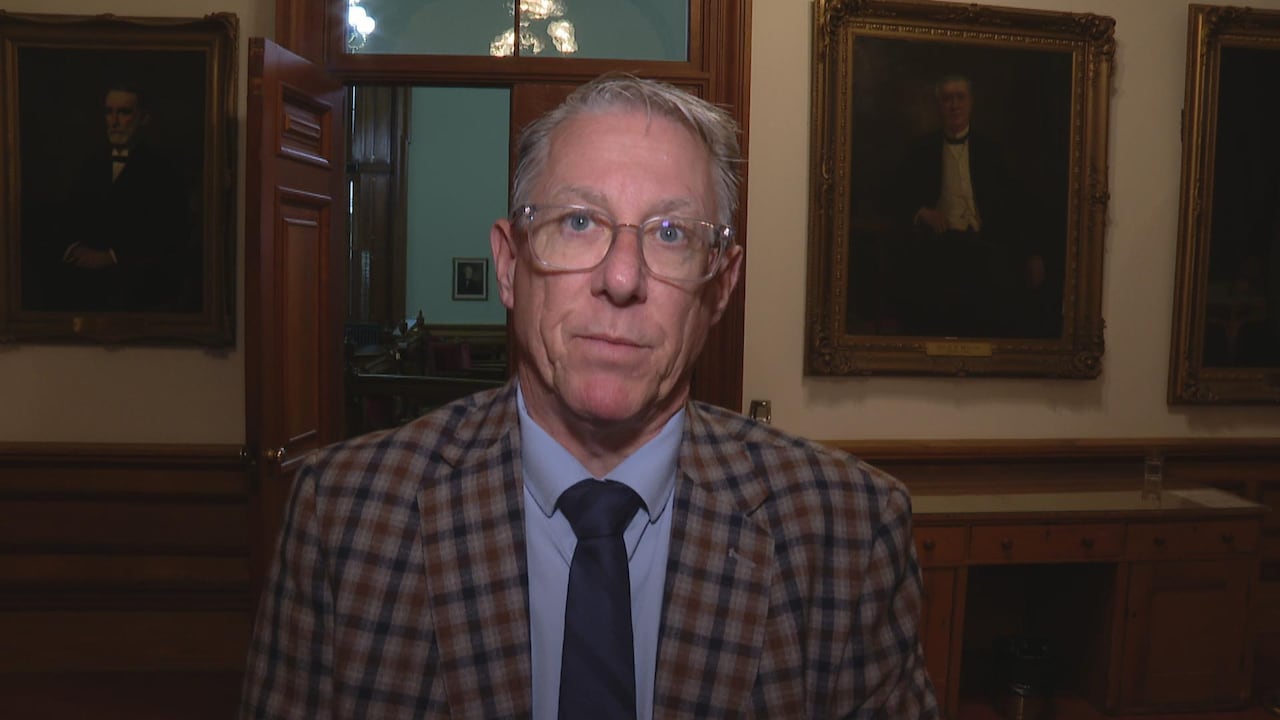 Environment Minister Gilles LePage told CBC News he plans to make sure provincial guidelines will keep pace with Health Canada. (Silas Brown/CBC)
But in February, speaking with CBC News, LePage said the province would better align itself with Health Canada.
“I cannot tell you what other governments will do after me, but again, our standards are there,” LePage said in an interview.
“We will follow from now on the national standards. That’s … the baseline that I’m setting as a new minister of environment.”