
 18 min read
We love bikes. Which is why choosing the “best” ones for you each year is both fun and challenging.
There are more good bikes than ever right now. In some categories, the differences are getting smaller. In others, bikes are getting weirder, more specialized, or simply homing in ever further on what riders actually want. Drop bar bikes are making room for ever-bigger tires on both road, all-road, and gravel. Mountain bikes are splitting into finer shades of feel and intent. Cargo e-bikes are getting not just more useful but also more affordable. And some of the most interesting bikes of the year came from brands willing to question old assumptions about geometry and value.
Still, the best bike is the one you love riding. Our list is not a decree from above, and if your favorite bike is not on it, that does not make it any less great. These awards are not about telling you what you have to buy. They are about highlighting bikes that stood out to us for ride quality, value, design, innovation, or simply because we could not stop thinking about them after the test period ended.
To make these picks, Bicycling’s editors and testers ride a lot of bikes. We race them, commute on them, take them to group rides, travel with them, and keep riding them long after the first impression should have worn off. We talk with mechanics, engineers, product managers, and other riders. We pay attention to the details because they often separate great bikes from the best ones.

E-bikes are getting better, but just as importantly, they are getting more affordable every year. Much of that shift is being driven by consumer direct brands like Aventon, which continues to prove that well-designed, thoughtfully conceived e-bikes do not need luxury-level price tags. Two of this year’s standout bikes, the Aventon Current and Abound LR, delivered ride experiences that felt far more refined than their MSRPs would suggest, which is how they ended up on our list for 2026.
trevor raab
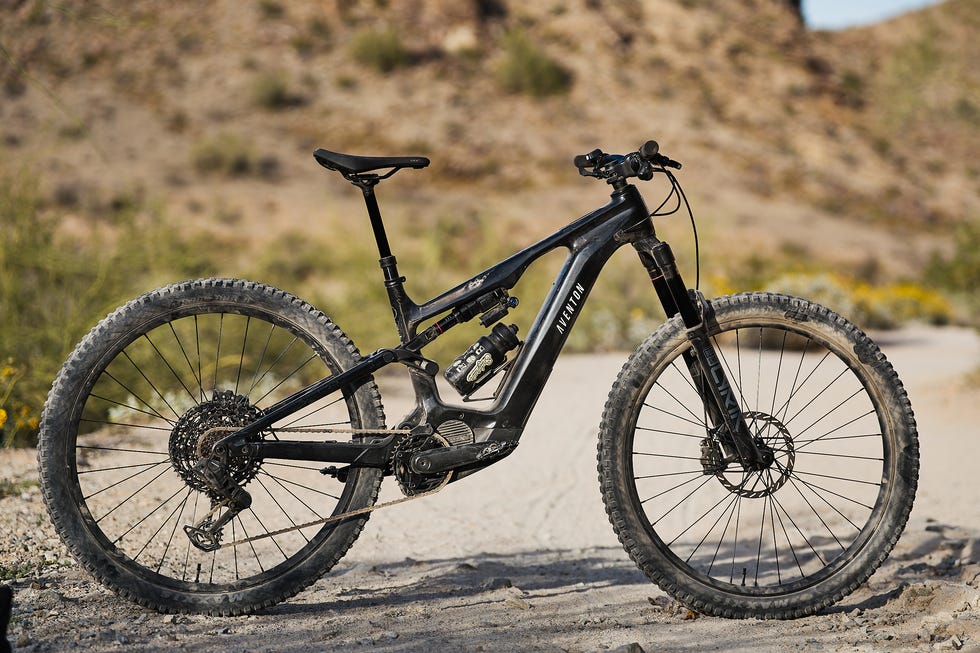
Aventon Current
The Aventon Current was one of the year’s most surprising launches. Aventon has long made solid e-bikes for ripping around town and cruising bike paths, but until now, nothing in its lineup really spoke to the more performance-oriented rider. The Current changes that, bringing impressive value and a high fun factor to the eMTB space. Its hype may be overshadowed by some of the latest ultra-powerful, ultra-expensive systems, but the Current’s 120Nm of torque and 850W Boost mode are more than enough to satisfy riders looking for serious battery-assisted performance.
On my first ride in Arizona, I was impressed by how well it handled unfamiliar singletrack. I was even more impressed after spending more time dialing it in on my home trails. Out of the box, it offers a strong setup that will work for plenty of riders, while also giving you a solid platform to tune around your preferences. I made a few small changes to better suit my riding, including a wheel-and-tire swap with inserts for harder hits, plus a handlebar and grip swap for a bit more comfort. Beyond that, I’ve left it as is and haven’t felt the need for anything more.
The user experience is another highlight. The Aventon app lets you tune ride modes and adjust settings to your liking, and the display offers plenty of data fields that are easy to change on the fly.
For riders looking to add an eMTB to the garage, or make the jump to a full-powered e-bike, the Current is a seriously good option. At $4,599 to $5,999, the value is there. –Trevor Raab
Read full reviewBuy Current ADV
Dan Chabanov
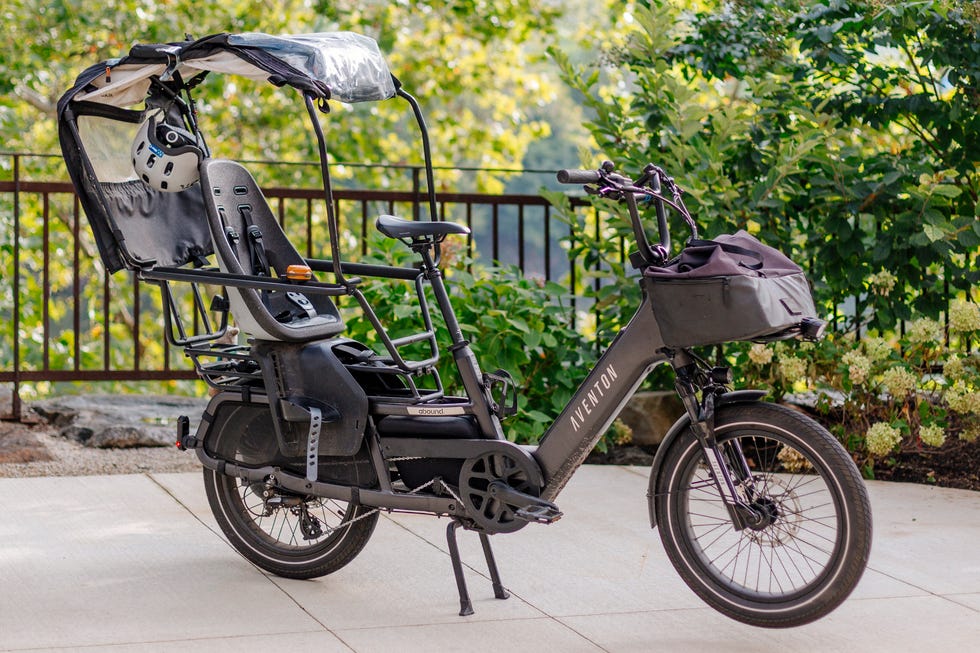
Aventon Abound LR
Aventon’s Abound LR is the rare cargo e-bike that feels far more sorted than its $1,999 price suggests. The chassis feels calm and confidence-inspiring, even with cargo on board. The hub motor delivers power more naturally than expected, thanks to the torque sensor and tunable assist modes. And the ride quality is genuinely good. The 3-inch tires, suspension fork, and suspension seatpost take the edge off rough pavement when you are hauling groceries, kids, or both.
It is also impressively stable for the money. Budget e-bikes often get weird at speed or under load. The Abound LR does not. It tracks straight, stays composed, and remains surprisingly easy to maneuver at low speed for a long-tail bike. Aventon also gets the details right, with integrated lights, turn signals, brake lights, broad accessory support, and connected features like geofencing, motion alerts, and remote disabling.
It is not perfect. The drivetrain feels cheap, the bike is heavy, and the front fender could be longer. But those are easy complaints to live with at this price. That is why the Abound LR is on this list. It makes everyday utility riding easier, smoother, and more affordable, without feeling like a budget bike that you have to make excuses for. –Dan Chabanov

Road bikes remain a broad category, and this year’s standout models reflect that. This year’s winners include bikes that chased speed through radical geometry and aero thinking, while others pushed in the opposite direction, arguing that wider tires, practical standards, and a more balanced ride experience matter just as much as outright performance. One common theme in our list this year: riders want road bikes that feel fast and engaging without demanding WorldTour-level flexibility or perfectly smooth pavement to enjoy. Whether through value, versatility, fit, or simply exceptional ride quality, the best road bikes this year showed that modern performance is no longer one single thing.
trevor raab
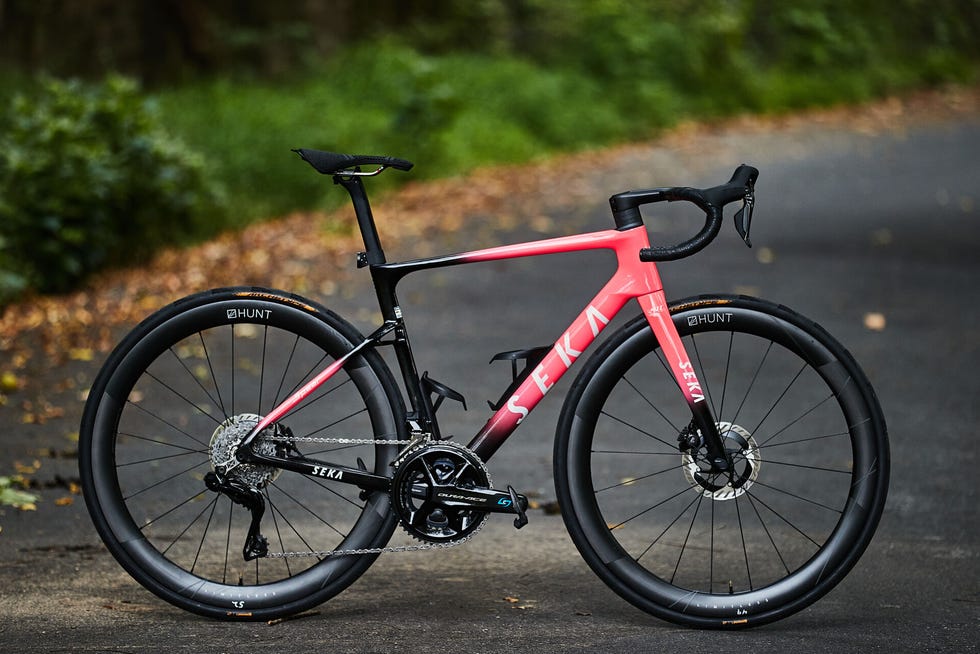
Seka Spear
While my coworker Dan wrote our recent review of the Seka Spear, I had the bike for nearly a year before I sent it to him.
I called in the Spear frameset because I was genuinely intrigued by what it promised. On paper, its weight and performance looked extremely competitive with the best-known and best-performing race bikes on the planet. Yet the Spear was significantly less expensive.
Unlike some of the up-and-coming bikes from Chinese brands, Seka is not owned by a large manufacturing outfit. It is set up more like Specialized, Trek, Canyon, and the rest of the big names. The company designs and engineers its bikes in-house, then has them made by a manufacturing partner. The only real difference is that Seka is based in China, specifically Shanghai, rather than the U.S. or Europe.
When the Spear frameset arrived, my first impressions were extremely positive. The packaging and presentation were excellent, and visually, the frame looked every bit as premium as anything from Specialized and similar brands.
Those positive impressions held once I assembled it and started riding. Seka does not offer complete bikes in the U.S., and my tastes lean elsewhere, but I still ride and review enough race bikes to know how high the benchmarks sit in this category and what the Spear is competing against. Based on those first rides, the Seka could compete. This was a seriously good race bike.
But then I waited. I kept riding the Spear, but held off on reviewing it. I wanted to live with it for a long time to see if the initial glow wore off, and I started noticing downsides or holes in its performance that I had overlooked in my excitement. I also wanted to see if the brand continued to, well, exist.
To me, the Spear is the tip of the iceberg. There appears to be a coming wave of brands, many based in China, that look set to disrupt the order of the legacy brands. And it’s going to make us all take a hard look at what we really get by paying the higher prices the established brands command. –Matt Phillips
Read full reviewBuy Spear RDC Frameset
Matt Phillips
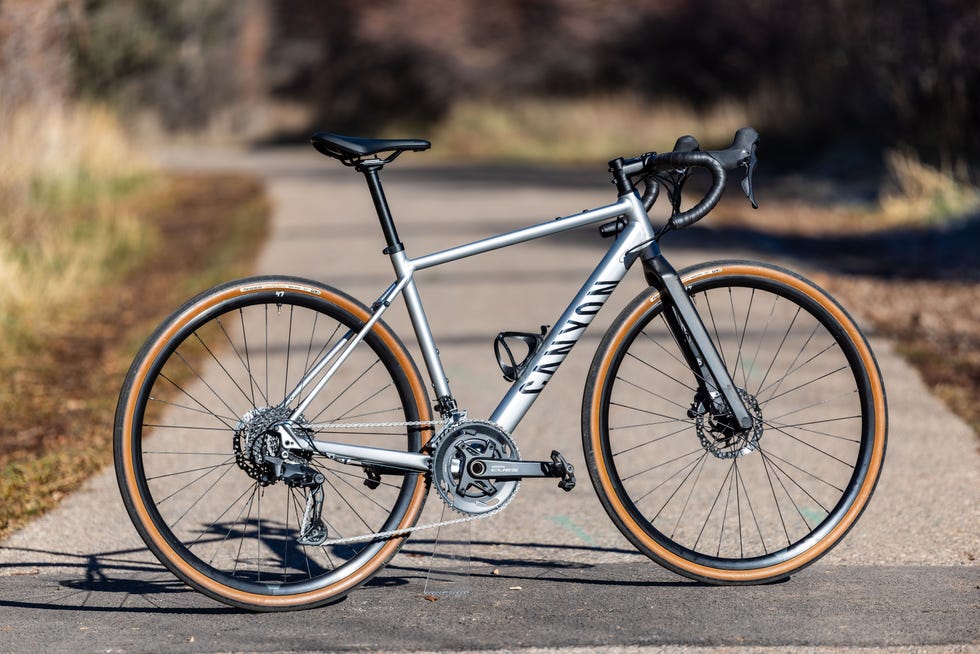
Canyon Endurace Allroad
There are cheap bikes that are pretty good for the money, and then there’s the Canyon Endurace Allroad, which is the more irritating kind of value because it makes you wonder what excuse everybody else has.
At $1,499, this bike has no business feeling this complete.
On paper, the ingredients are sensible: aluminum frame, carbon fork, 40mm tire clearance, Shimano Cues 2×10, hydraulic discs, and a few useful mounts. Plenty of bikes have a decent bullet-point list. What makes the Endurace Allroad different is that, on the road, it doesn’t feel like a pile of compromises. It feels thought through. It feels cared about. And that’s rare at this price.
The ride is quiet, smooth, and calmer than an aluminum bike at this price has any right to be. Rough pavement is less annoying, mixed-surface wandering feels natural, and the handling is especially well judged: quick enough to stay lively, stable enough to feel composed.
This bike stands out because it doesn’t feel like a budget bike that got away with something. It feels like a genuinely good bike that somehow slipped into the wrong price bracket. –Matt Phillips
Read full reviewBuy Endurace Allroad
Matt Phillips
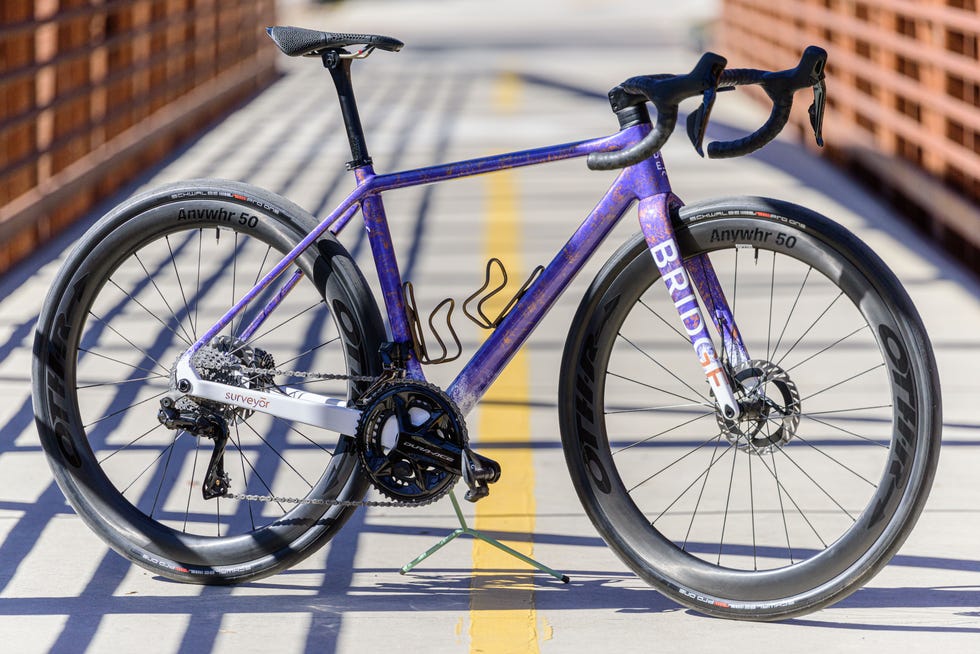
Bridge Surveyor
For a long time, the bike industry has been weirdly stubborn about wide tires on road bikes. If you want room for real fat slicks, the usual deal is a taller front end, mellower handling, extra mounts, and some all-road softening of the concept.
And I do not want that deal.
I want a race bike. Sharp handling, a low-ish front end, a stiff, lively chassis, and tire clearance that acknowledges the obvious truth that wider road tires are often better.
The Bridge Surveyor is the first bike I’ve ridden that really gets this right. It fits 40s. It has aggressive geometry, short stays, a proper race-bike position, and none of the unnecessary garnish. No fender mounts. No extra cargo nonsense. No apologizing for what it is. It’s just a fast bike built around the idea that fast road bikes should fit bigger tires.
Best of all, it rides the way I hoped it would. Crisp, lively, sharp, and good on climbs. No, it’s not featherweight by superbike standards. Don’t care. It feels light enough, reacts quickly enough, and most importantly, it feels right.
That’s why it stands out. It makes the rest of the industry look slow for not building it sooner. –Matt Phillips
trevor raab
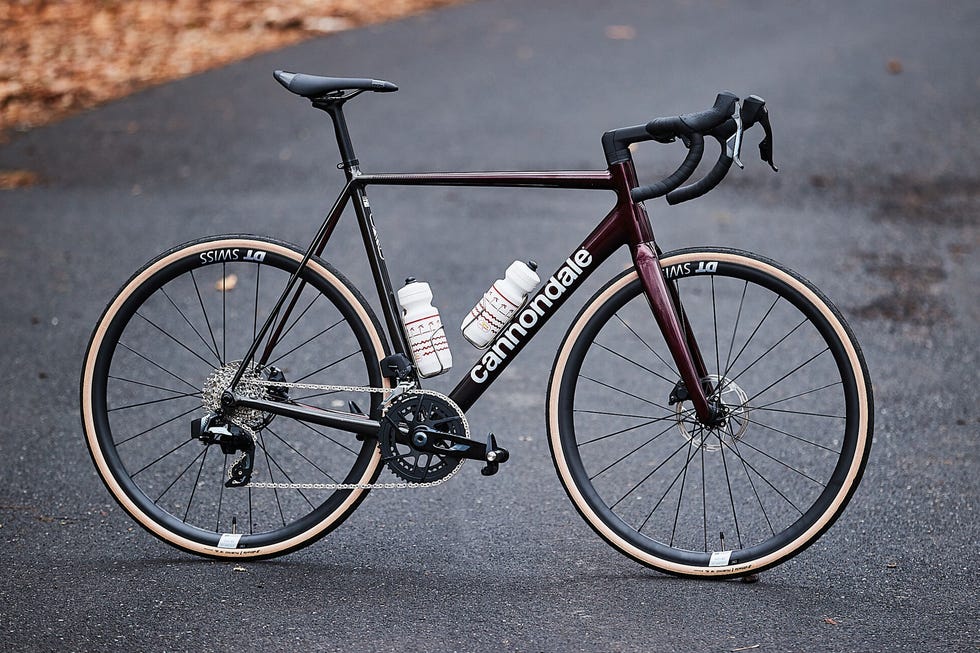
Cannondale CAAD14
Until its launch earlier this year, the CAAD14 was the cycling world’s worst-kept secret. Few bike releases generate that kind of buzz, especially for a model not raced at the highest level of pro cycling. But the CAAD14 is a different kind of bike.
If you’ve spent time on road bikes in the last two decades, you’ve probably owned a CAAD or know someone who did. Over three decades, Cannondale’s premium aluminum road bike has won everything from WorldTour races to office park crits, and it served as a gateway into road cycling for a huge number of riders. That history has given the CAAD near cult status.
Unlike the CAAD13 and many competing alloy bikes, the CAAD14 is not just an aluminum version of Cannondale’s latest carbon race bike. Instead, it feels like a return to the platform’s roots. The silhouette is the first clue. The top tube sits nearly parallel to the ground, the seat stays run high, and the round 27.2mm seatpost skips the proprietary aero shapes common today. Smooth-finished welds add to the throwback feel and recall Cannondale’s classic USA-made frames.
Still, this is not a vintage reproduction. The CAAD14 is fully modern, with disc brakes, thru-axles, comfortable clearance for 32mm tires, fully internal cable routing, and a UDH dropout for easier hanger replacement and SRAM full-mount compatibility.
At its core, the CAAD14 is a premium aluminum road bike for riders who still value crisp handling, stiffness, and a direct connection to the road. It is a modern aluminum road bike with a throwback aesthetic. –Tara Seplavy
Trevor Raab
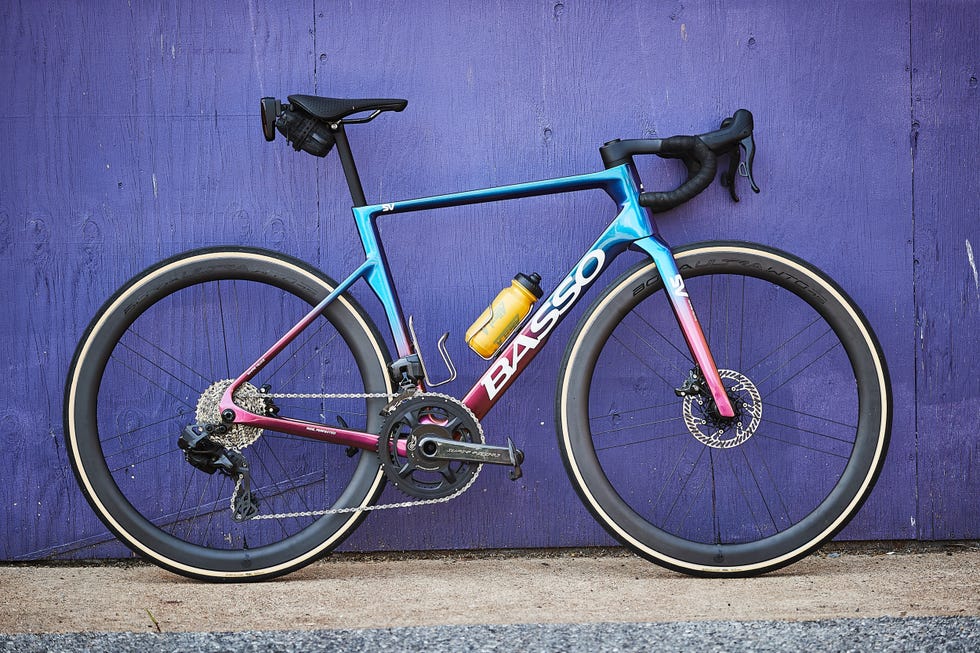
Basso SV
The Basso SV lands in a smart middle ground that more road bikes should be aiming for. It is not a full-tilt race bike, and it is definitely not some sleepy endurance bike. It is a fast, lively, high-end road bike built for riders who want race-bike excitement without the usual race-bike fit penalties.
The geometry is a little more accommodating than most current superbikes, with more stack but otherwise familiar race-bike numbers. It clears 35mm tires. It is light, stiff, and responsive under power. And most importantly, it still rides like something special.
If you are expecting a magic-carpet endurance bike, this is not that. The SV feels energetic, sharp, and eager. On climbs, especially out of the saddle, it responds instantly. On rolling roads and fast descents, it stays engaging without feeling nervous. It still urges you to push harder, crest hills faster, and lean deeper into corners, which is exactly what a good performance road bike should do.
That is what makes the SV stand out. Basso did not water down a race bike or try to make an endurance bike feel sporty. It found the sweet spot between what most riders want and what most riders actually need. –Dan Chabanov
trevor raab
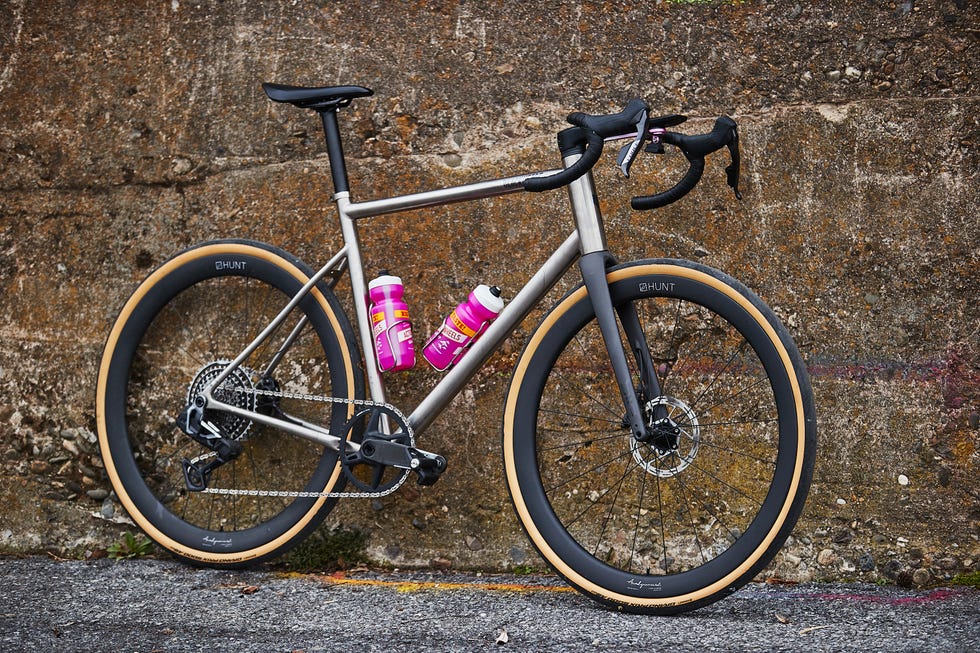
BlackHeart Road Plus Ti
The BlackHeart Road Plus is the kind of bike most drop-bar riders actually need. It’s fast and nimble like a good road bike, but it also fits generously wide tires. It’s reasonably light, rides incredibly smoothly, and gets the geometry right.
California-based BlackHeart offers aluminum and titanium versions, both sharing the same geometry and features. The titanium frame weighs 1,785 grams and comes in nine sizes. It uses 3/2.5 double-butted titanium tubing with 3D-printed dropouts, bottom bracket shell, and seat tube, plus details like a T47 bottom bracket, 31.6mm seatpost, FSA ACR headset, and UDH. BlackHeart sells it as a frameset or complete bike, with custom paint options too.
Senior Editor Matt Phillips calls bikes like this “Fast Forties.” The idea is simple: road-bike geometry, weight, and ride feel, but with 40mm slicks. In theory, that sounds obvious. In practice, bikes that truly balance speed, weight, geometry, and tire clearance are still rare.
I liked the Road Plus Ti from the moment I pulled it out of the box, but I didn’t fully get it until I found the right roads. Midway through my third ride, I slipped around a gate onto a road closed by storm damage, and the bike came alive. It thrived on cracked pavement, frost heaves, potholes, and hard-packed dirt. A gravel bike would have felt like too much. A race bike would have felt under-equipped.
That’s the Road Plus Ti’s appeal. It feels lively, smooth, and deeply capable, and it shows what a small brand can do when it focuses on making really good bikes. –Tara Seplavy
Read full reviewBuy Road Plus Ti
Trevor Raab
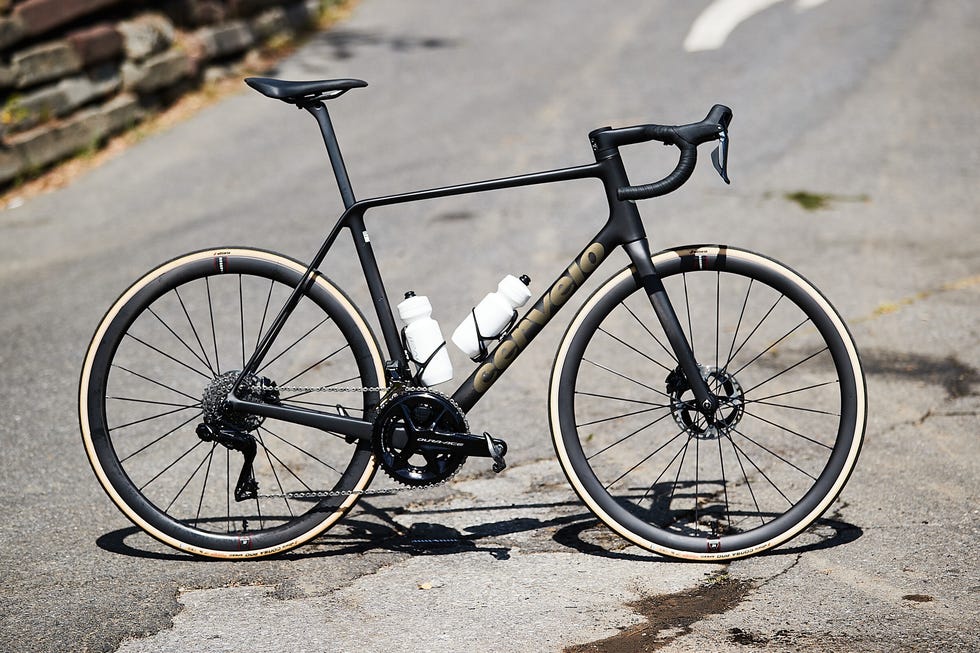
Cervélo R5
Cervélo conceived the R5 to compete at the highest levels of professional cycling. But modern racing has moved in a different direction. Aero optimization and marginal gains win now, which means superlight, climbing-specific bikes like the R5 are fading from the top level. And that is exactly what makes the R5 special. In practical terms, this is no longer really a race bike. It is a very refined one for cyclists with deep pockets and discerning taste. A hyper-bike for the non-racers.
In my five years at Bicycling (and many years as a cycling product developer before that), I have ridden plenty of lightweight bikes, but none felt quite as feathery as the R5. I was stunned when I hung it on the scale. With pedals and lightweight bottle cages, the 58cm test bike weighed just 14.3 pounds.
The funny part is that while Cervélo’s WorldTour team has to worry about the UCI’s minimum weight rule, you and I do not. We can have an absurdly light climbing bike. And for many of us, it makes more sense than an aero bike anyway. We are not riding fast enough uphill for aero gains to matter much, and on flatter roads, we are not trying to survive off the front in a breakaway. That is the R5’s appeal. It is a pure, beautifully refined lightweight road bike in a moment when bikes like this are becoming rare. –Tara Seplavy
Read full reviewBuy Cervélo R5
Dan Chabanov
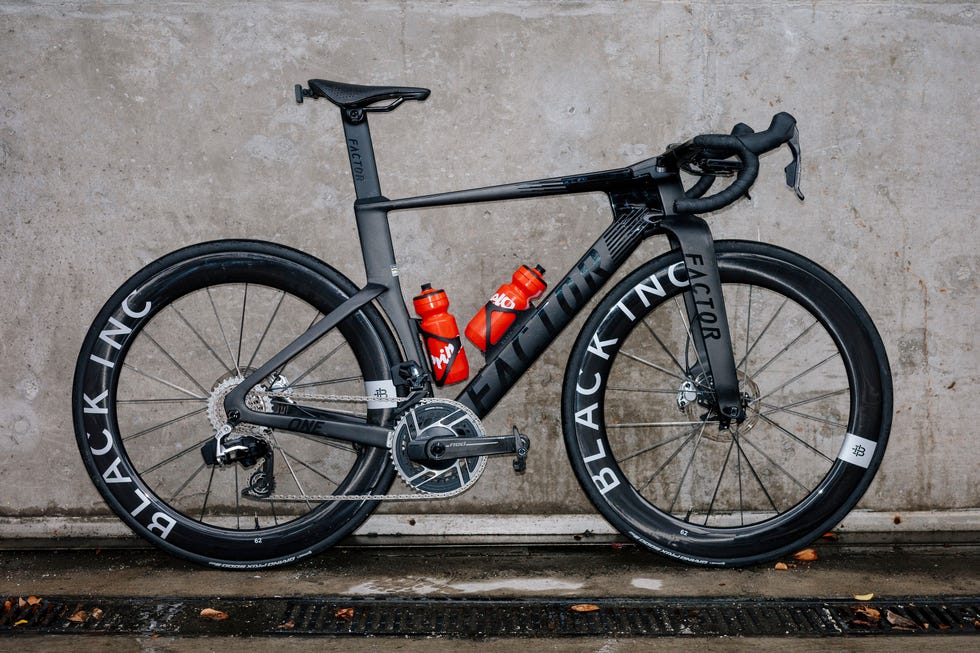
Factor One
Factor’s ONE is groundbreaking, but not just because it looks like it arrived from the future. What really makes it interesting is its geometry. This is one of the first road bikes I’ve ridden that fully commits to where performance road bike fit trends have already been heading: steeper seat tube angles, longer reach, shorter cranks, narrower bars, and a more forward rider position. Other brands have nudged around the edges of that reality. Factor built the ONE around it.
But the ONE does not ride like some unstable experiment. Quite the opposite. For a bike with such radical numbers and such a visually extreme front end, it feels intuitive almost immediately. The steering is quick but never nervous, the balance feels deliberate, and the bike remains calm and controlled even when you are deep in the red.
And yes, it is very fast. Above 25 mph, the ONE has that rare sensation of helping you hold speed. Push it past 30, and it feels almost absurdly eager to keep accelerating. Even climbing, it was better than I expected from a bike this aero-focused.
That is why the ONE stands out as not just a maximalist aero bike built to exploit the rulebook. It is a race bike that feels designed around how modern riders actually ride. Whether you like the look or not, this is a preview of where high-performance road bikes are headed. –Dan Chabanov
Read full reviewBuy Factor One
trevor raab
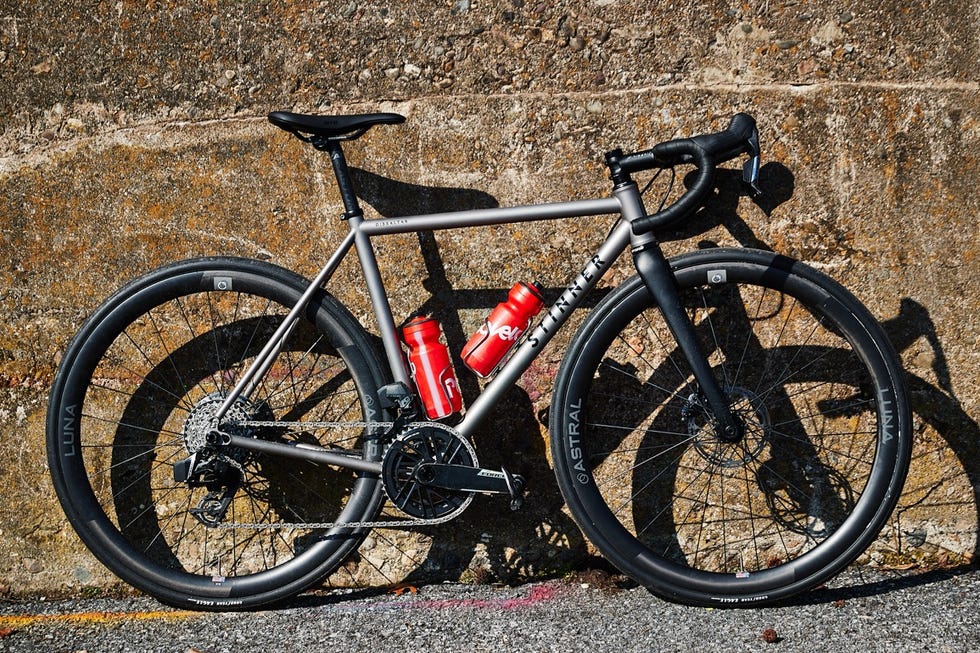
Stinner Gibraltar Podium
The Stinner Gibraltar Podium is the kind of bike that feels refreshingly unconcerned with trends. It is not chasing aero claims or integration for integration’s sake. It is simply a USA-made titanium road bike that rides beautifully and overcomplicates nothing.
That starts with the frame itself. The welds are excellent, the finish is clean, and the standards are refreshingly normal: T47 bottom bracket, external headset routing, UDH, 32mm tire clearance, and a round 27.2 seatpost. It is easy to live with, easy to adjust, and easy to love.
On the road, the Gibraltar delivers the classic titanium appeal. It is smooth without feeling mushy, calm without feeling dull, and the comfort becomes more obvious the longer the ride goes. The handling is deliberate rather than razor sharp, but that steadiness suits the bike. It feels planted on rough pavement, confident at speed, and more interested in tracking cleanly through a corner than snapping into one.
That is why it stands out. The Gibraltar Podium is not trying to be the fastest or flashiest road bike on the group ride. Instead, it is a practical, beautifully made titanium road bike for riders seeking something exceptional yet simple. –Dan Chabanov
Read full reviewBuy Gibraltar Podium

With the ever-growing capability of modern XC and downcountry bikes, it was honestly a bit surprising that both of our mountain bike picks this year landed firmly in the trail-bike category. While trail bikes have received a little less attention lately amid the push toward lighter, racier platforms, the best ones still deliver an incredibly satisfying ride experience across a huge range of terrain. Both the Pivot Trailcat and Propain Bikes Hugene stood out not because they chased extremes, but because they balanced climbing, descending, handling, and feel so well. They reminded us that a great trail bike is still one of the most versatile and rewarding kinds of mountain bikes you can own.
Matt Phillips
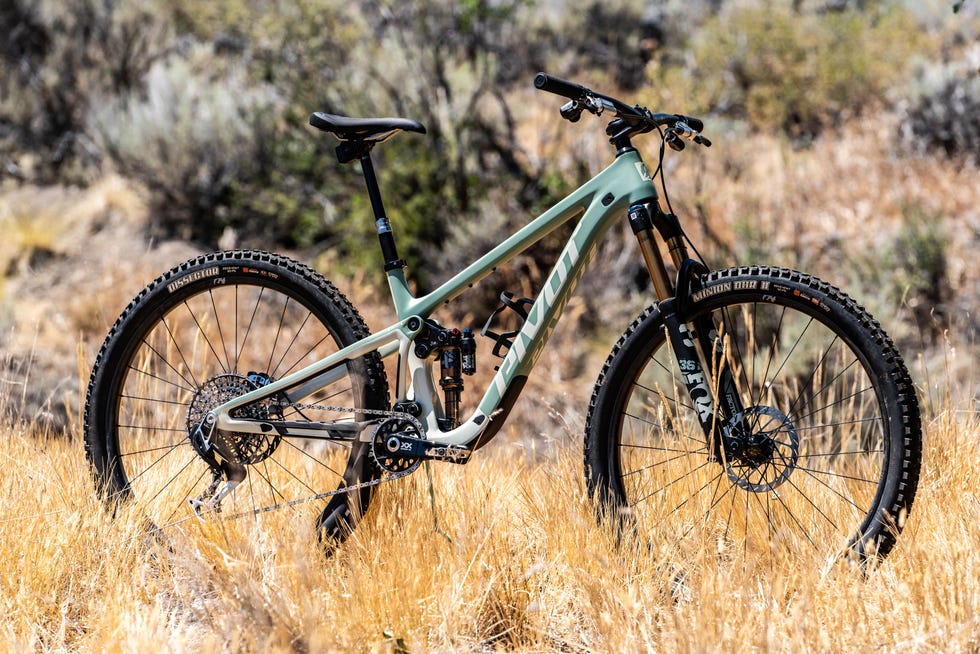
Pivot Trailcat
Mountain bikes have gotten so good, and so close together, that choosing one can feel less like buying a bike and more like psychoanalyzing yourself through geometry charts. Do you want a little more travel? A little less? More pop? More calm? How much calm is too much before your bike starts feeling like it’s taking a sedative on your behalf?
The Pivot Trailcat is one of the smartest answers I rode this year because Pivot acknowledges that there’s more than one right version of a good trail bike. In this case, it offers the Trailcat in two varieties, the SL and LT, and each is fantastic.
What stands out is that Pivot didn’t do the lazy thing and stretch one platform into two half-convincing personalities. The SL and LT feel meaningfully different. The SL is the crisper one. More direct. More eager. It pedals with more snap and feels more connected to the trail, especially when you’re pumping terrain or picking through climbs and flatter sections. The LT is more grounded, with more traction, more forgiveness, and more ease when the trail gets rough.
The useful thing is that neither one was obviously faster. The difference was feel. Preference. What kind of ride experience do you want most of the time?
That’s why the Trailcat is here. It’s one of the best all-around trail bikes you can buy, and it treats riders like grown-ups. It acknowledges that small changes matter, feel matters, and the right bike is often less about numbers than temperament. –Matt Phillips
Read full reviewBuy Trailcat SLBuy Trailcat LT
trevor raab
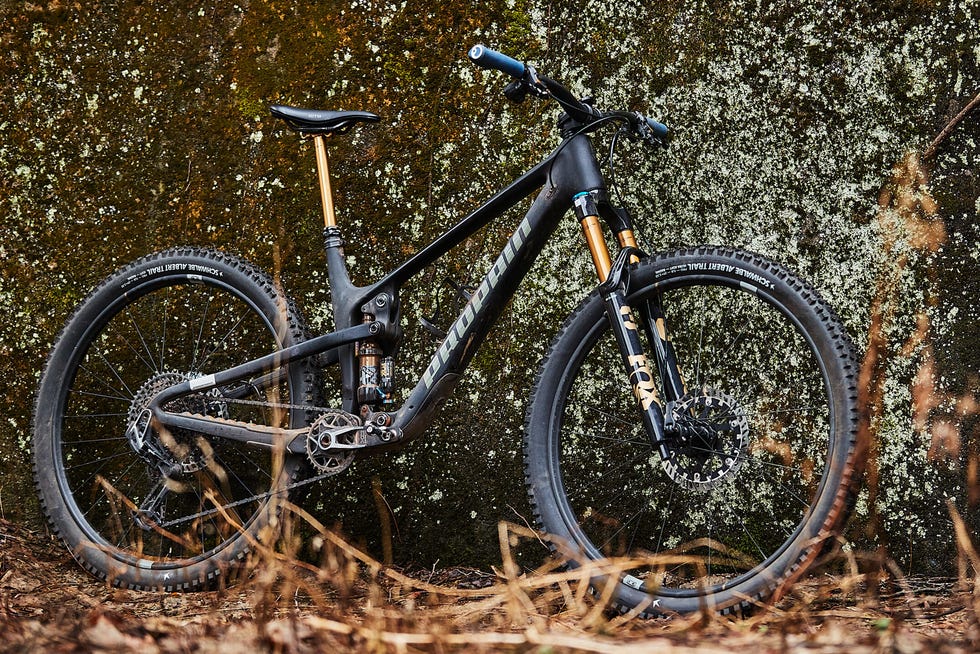
Propain Hugene
The Propain Hugene is one of those bikes that makes a lot more sense once you stop judging it by its travel numbers. On paper, 140/130mm puts it in the short-travel trail category. But on the trail, it feels like something with a lot more downhill potential.
That is not surprising once you know Propain’s background. The brand’s roots are in gravity bikes, and the Hugene carries that DNA with it. The geometry is modern and confidence-inspiring, the frame details are smart, and the value is excellent, especially once you get into Propain’s deep customization options.
Where the Hugene really stood out for me was on bigger, steeper terrain. It came alive on the vertical trails of Sedona when I tested it there. The planted feel, balanced climbing position, and calmness on steep descents make it incredibly capable, almost beyond what 140/130mm suggests. On tighter, punchier East Coast trails, it felt heavier and a bit overbuilt.
That is really the tradeoff. The Hugene is not the lightest bike in its class, but if your riding leans toward longer descents, rougher terrain, and a trail bike that feels reassuring when things get spicy, this bike makes a very strong case for itself. –Dan Chabanov

Gravel bikes finally feel a little more settled this year. Not long ago, it seemed like every new model pushed tire clearance wider, geometry slacker, and the definition of “gravel” further toward mountain bikes. Now, there appears to be a growing consensus that about a 2.25-inch mountain bike tire is probably the practical upper limit for most gravel applications. That is good news for riders, because it means you no longer have to worry that the bike you just bought will feel obsolete six months later.
At the same time, gravel bikes are becoming more specialized and less general-purpose. Some lean harder into modern gravel racing, prioritizing stability, speed, and huge tire clearance, while others preserve more of the fit, handling, and road feel that drop-bar riders still want. The best gravel bikes this year stood out not because they tried to do everything, but because they had a clear sense of purpose and executed it well.
MATT JONES
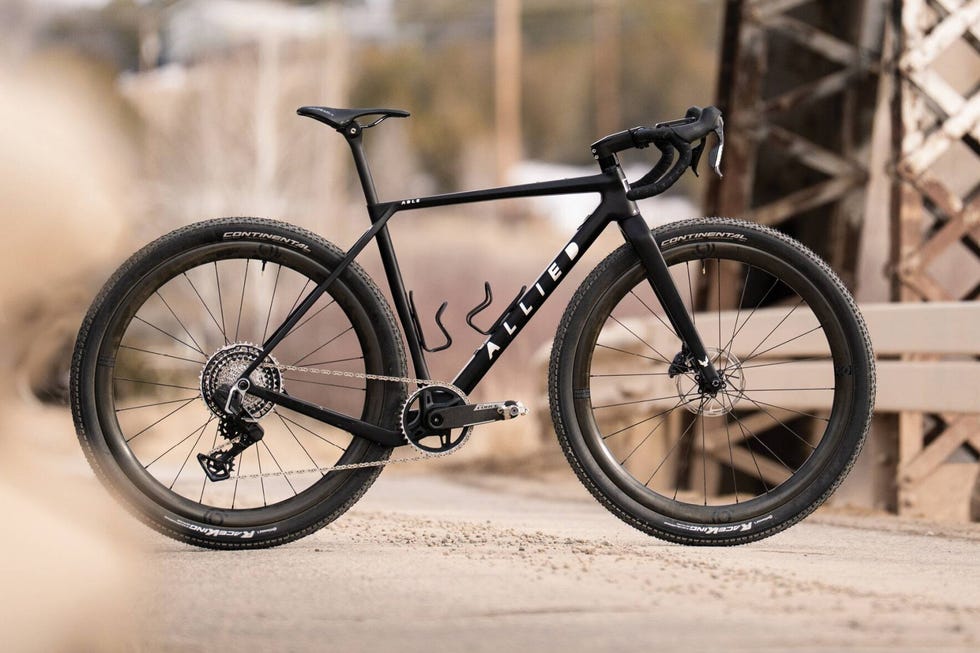
Allied Able
A lot of the attention around the new Allied Able starts with one number: 57mm. Fair enough to focus on its ample tire clearance. That is a lot for a gravel race bike. Enough that some people will look at it and assume the whole thing is just trend-chasing with a press release attached.
It isn’t.
What makes the Able awards-worthy is not simply that it clears huge tires. It’s that Allied built a gravel race bike that actually makes sense around them. Modern gravel racing has drifted a long way from the old road-bike-but-dusty fantasy some people still cling to. At the front, it’s fast, chaotic, and sometimes more about survival than elegance. In those conditions, big tires are not silly. They can be faster, more forgiving, more puncture-resistant, and better at keeping you in the race.
But the Able is not a one-note monster-truck novelty. It gives riders options. Run the full 57mm setup when conditions call for it, or go narrower when they don’t. Either way, the platform feels purpose-built rather than compromised.
The Able still feels like a race bike. It’s reactive, efficient, quick under power, and impressively sharp-handling for something that can wear mountain-bike-width rubber. It doesn’t just accept the new direction of gravel race tech. It shows how to do it well. –Matt Phillips
trevor raab
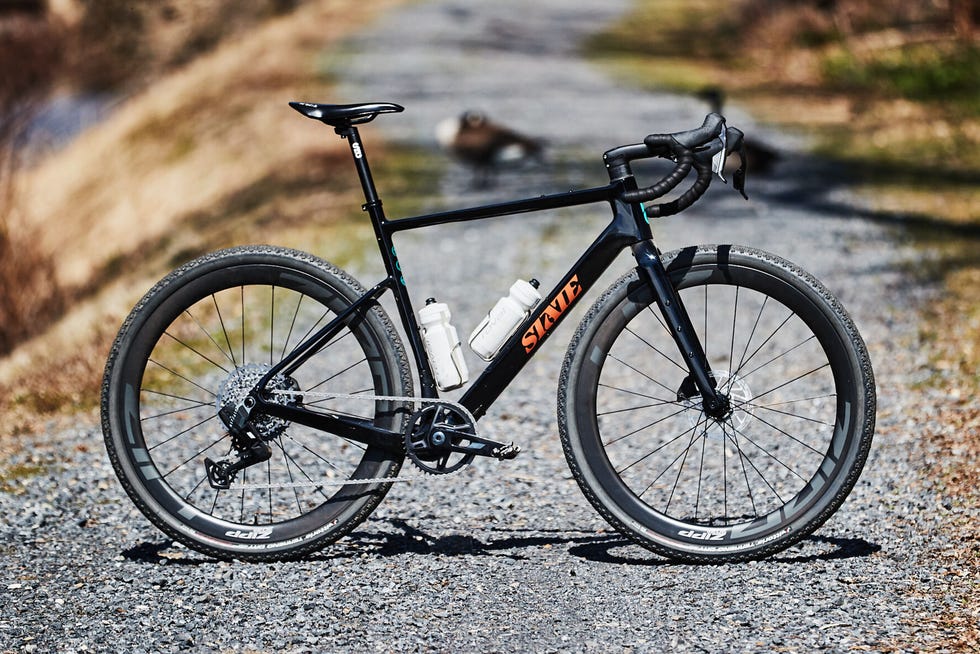
State Carbon All-Road
A State bike seems to land on Bicycling’s Bike Awards list every year. That’s because the Arizona-based consumer-direct brand makes solid, practical bikes that don’t break the bank. The brand’s Carbon All-Road V2 certainly meets that requirement.
Starting at $2,400 for a complete bike, or $1,400 for the frameset, the All-Road Carbon has every feature most riders will want. The bike accommodates up to 2.2-inch tires (complete builds ship with 50mm Vittoria T50s), is UDH-compatible, and takes a T47 bottom bracket. It also features internal frame storage on the downtube with a Fidlock magnetic latch.
The Carbon All-Road’s frame isn’t super aero-shaped, nor does it require funky proprietary parts—and that’s a good thing. This is a bike made for riders who prioritize durability and functionality over flashy graphics, pro teams, and marketing hype.
Geometry on the All-Road falls on the “race-inspired” end of the spectrum, compared to the more upright feel of adventure-style gravel bikes. The bike carries speed on hardpack dirt and gravel and feels more than adequately stiff when sprinting and out of corners. The ride quality is a little harsher than premium gravel offerings, but a complete Carbon All-Road costs less than most big-name brands’ frames. –Tara Seplavy
Dominique Powers
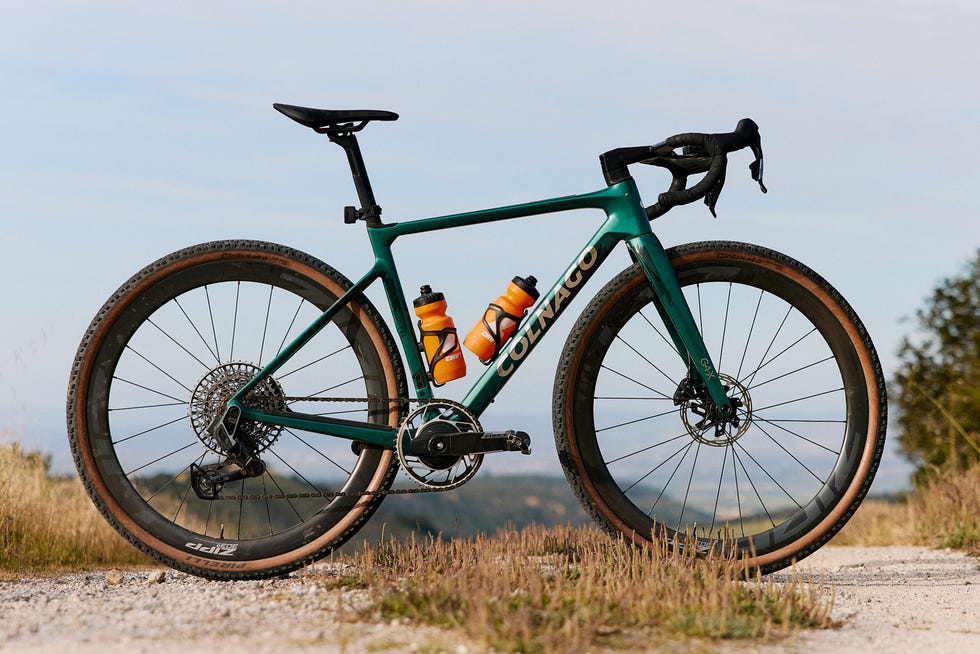
Colnago G4-X
Is the Colnago G4-X a compromised gravel bike, or an intentionally expanded all-road bike? After more than 400 miles of testing, the answer feels clear. Colnago built this bike for riders who want gravel capability without giving up the instincts, fit, and handling of a performance road bike.
Its biggest strength is how familiar it feels from the first ride. If your background is road, the transition is immediate. There is no adjustment period. The steering feels sharp. The front end feels precise. The handling feels closer to a road race bike than most gravel bikes in this category. On pavement, rough roads, and mixed terrain, the G4-X carries speed with a level of confidence many gravel bikes lose in pursuit of wider capability. All built on a drivetrain that left almost no points where I desperately needed more gearing, top end, or bottom end.
The G4-X does not lead in every category. You can find more storage, more mounts, more tire clearance, or more aerodynamic development elsewhere. Colnago made a bike that serves riders who value road DNA first. That focus gives the G4-X a distinct place in a crowded category. You are paying for premium, exclusivity, and the Colnago name, but you are also getting a gravel bike built with a clear sense of purpose. –Tom Messina
Member Exclusive: Check Out Our Top Cycling Stories
