
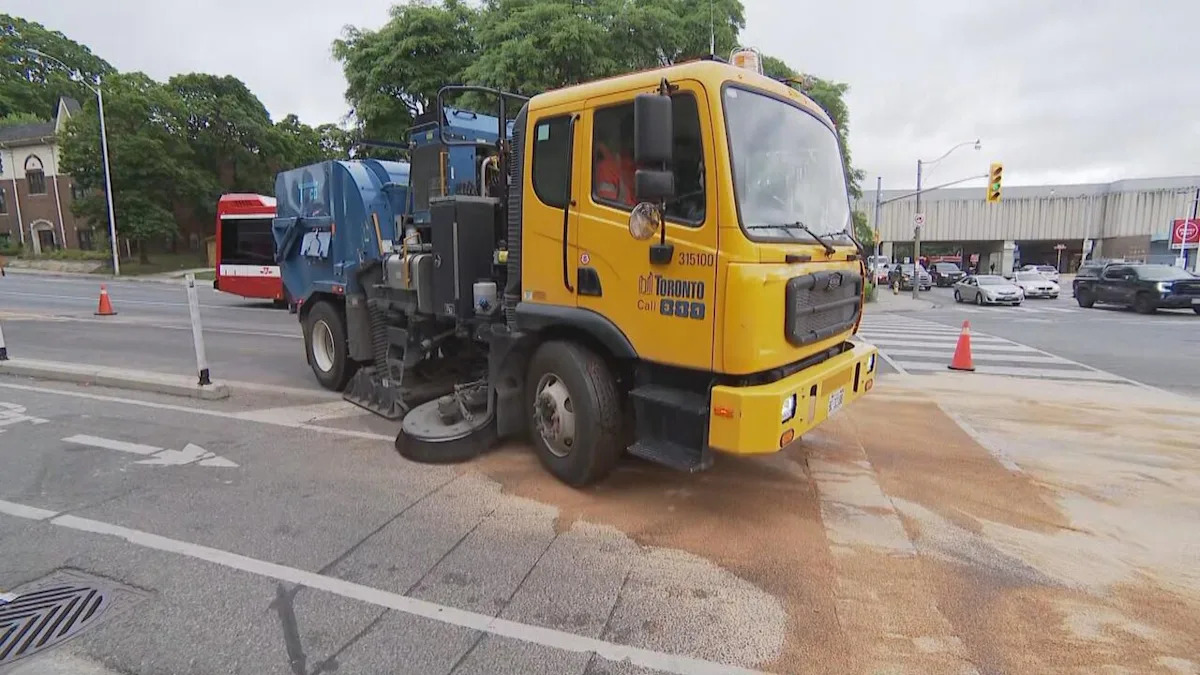
With the first of Toronto’s six FIFA World Cup matches just over a month away, the city is accelerating its annual spring cleaning efforts, but some are raising questions about what “cleanup” really means.
The Keep Toronto Beautiful campaign, now in its second year, is kicking off two months early to ensure that public spaces and critical infrastructure are in good shape for the international tournament.
In a recent statement, Mayor Olivia Chow said clean public spaces are about more than appearances. “It is about taking pride in our city, improving our neighbourhoods and making sure people feel comfortable and connected in the places they live, work and gather,” she said.
The cleanup campaign will see around 400 staff carry out targeted weekend “blitzes” from May through October, focusing on high-need areas across the city, according to a media release.
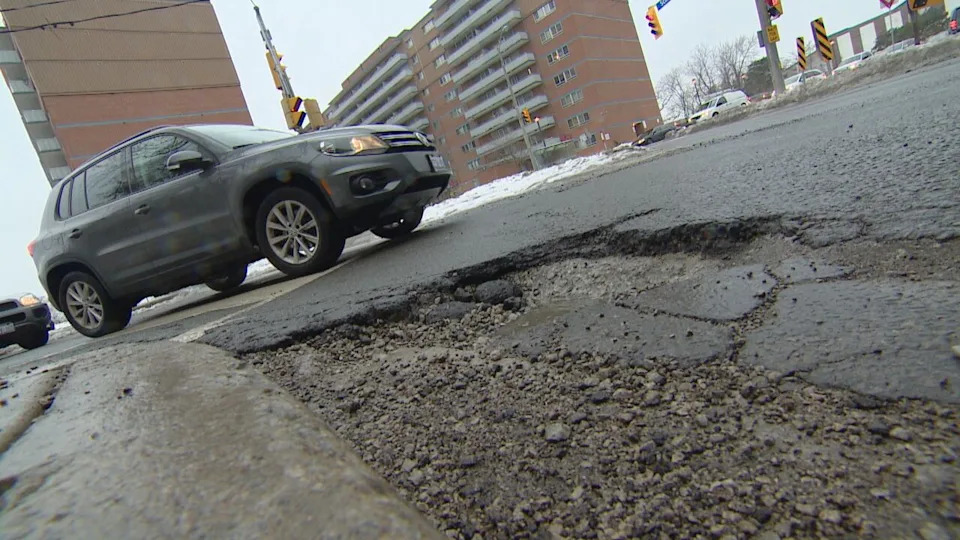
The cleaning effort will focus on repairing potholes and bike lanes, clearing litter and graffiti, sweeping streets, maintaining trees and parks, and tackling illegal dumping. (Paul Borkwood/CBC)
Crews will clear litter and graffiti, repair potholes and bike lanes, sweep streets, maintain trees and parks, and tackle illegal dumping — part of a broader effort to prepare Toronto’s public spaces for a massive influx of visitors this summer.
But some say the idea of “cleaning up the city” goes beyond maintenance, raising concerns about how the push could affect vulnerable residents and the environment.
City cleanup worries community advocates
Diana Chan McNally, a community worker and city council candidate, told CBC Toronto she’s concerned the push to prepare Toronto for a global audience could lead to the displacement of unhoused residents.
“When we talk about cleanup, does that entail encampment sweeps? We don’t know,” Chan McNally said, noting that details of agreements tied to FIFA remain unclear across host cities in North America.
She warned displacement can have serious downstream consequences, including people losing contact with support networks, being pushed away from familiar services, and facing increased health risks such as overdose.
Though Chan McNally hasn’t seen any evidence of people being displaced, she and other advocates say they want assurance that it won’t happen.
“There is a lot of worry among folks on the street,” Chan McNally said. “There actually could be a lot of people impacted by this.”
In a provided response, the City of Toronto indicated its approach to homelessness is not specific to the World Cup or any clean up efforts.
Milton Barrera, director of access and outreach with Toronto Shelter & Support Services, said the city continues to support people experiencing homelessness through a “people-first, human rights-based approach” focused on outreach and voluntary engagement.
The city will still help people move indoors under its existing encampment protocol and areas near FIFA World Cup 2026 venues will be prioritized for outreach, he said.
A Human Rights Action Plan is also being developed for the tournament, Barrera said.
World Cup presents opportunity for greener city practices
Emily Alfred with the Toronto Environmental Alliance (TEA) told CBC Toronto services like street sweeping, tree care and waste collection do have environmental benefits.
However, she says the city could be using the World Cup as an opportunity to go further, by reducing waste and adopting more sustainable practices that continue after the event.
For example, “switching to reusable cups in a stadium can avoid millions of cups and lots of waste,” Alfred said, noting that Vancouver’s BC Place has already made the switch.
Here in Toronto, the city hasn’t committed to reusable cups at BMO Field, but will test out a program at FIFA Fan Festival zones, she said.
That move and others — like introducing bins for organic garbage throughout the stadium — are a result of an advisory group, including TEA, working with the city on sustainability concerns ahead of the World Cup and beyond.
“It’s not just a dealing with what’s happening at the event, but what can we do that prompts us to longer term sustainability and longer term legacy of environmental things,” Alfred said.