
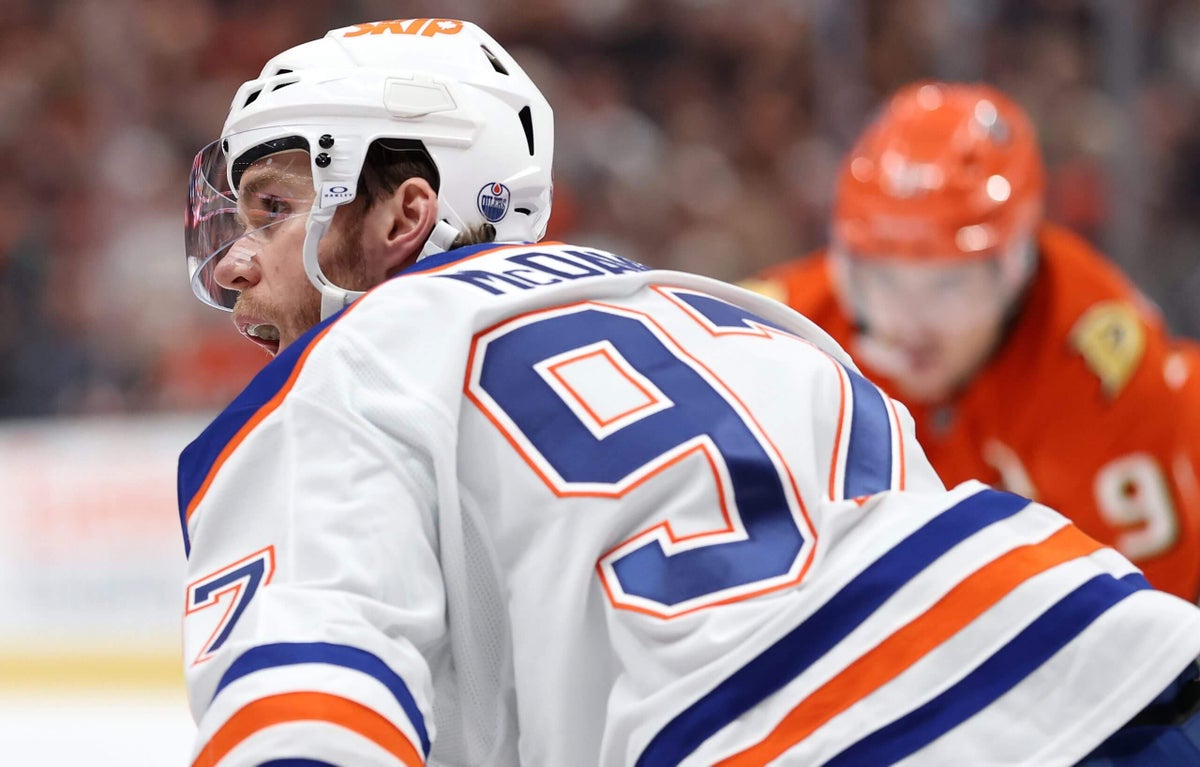
The Edmonton Oilers have enjoyed over a decade of Connor McDavid’s brilliance, but there is a crossroads on the horizon. McDavid will enter his third contract with the organization in the fall. This one is the shortest, just two years before unrestricted free agency. The organization went to the max on his second deal (eight seasons) and surely wanted more than two years on the contract that kicks in next season.
McDavid’s two-year contract sets up an inevitable pressure point. When is the best time to trade him? Never, but the team may be just over one year away from considering the options. McDavid holds the cards, should he choose to play out his contract.
Is it possible the Oilers let McDavid slip through their hands? Is there an ideal time to deal? Should current management be trusted with making a trade of this magnitude? Could the team build around Leon Draisaitl? Is there life after McDavid? Here’s a quick look at the dilemma and when you might hear rumblings about a McDavid exit.
Ideal time?
If next summer doesn’t include a Stanley Cup parade, ownership will need to know if the captain is willing to sign another contract with the team. If the answer is yes, pressure eases, and the topic will immediately turn to improving the team (much like the current conversations being held by fans online).
If the answer is no, owner Daryl Katz is looking at an impossible situation. As much as fans want the Stanley Cup, Katz wants that and more. A smooth-running operation and steadily rising franchise value. McDavid makes business a breeze in Edmonton.
He’s pristine branding as well as being the world’s best hockey player.
McDavid’s exit would impact ticket prices and the team’s value, which is currently otherworldly. That number would change if McDavid leaves the team. By next summer, if player and organization are far apart, the Oilers will have to consider trading him around July 1 and free-agent signing season. That would bring nothing but headaches.
Who should make the trade?
Stan Bowman has been the team’s general manager since taking over in July 2024. The normal timeline for evaluation of a GM is five years, but the level of urgency suggests the club may not want to trust current management with the franchise-altering dilemma McDavid’s free agency represents.
Bowman’s first major decision came quickly, when the Oilers were hit with dual offer sheets from the St. Louis Blues. In deciding not to match, Bowman surrendered the two best emerging talents on the team in Philip Broberg and Dylan Holloway. The sins of former general manager Ken Holland (why he didn’t get his best young players under contract is baffling) and CEO Jeff Jackson (who spent vital cap dollars on veteran free agents on July 1, 2024) were left at Bowman’s feet.
The talent bleed of that single decision (to let Broberg and Holloway go) becomes a bigger story with each passing season. The St. Louis offer sheets and Bowman’s reaction to them probably mean he won’t be the man trusted to deal McDavid.
Building around Leon Draisaitl
If the Oilers deal McDavid a year from now, could the team compete in the following seasons? Leon Draisaitl is a wonderful player, and in many ways, he’s built for a long and gruelling playoff season. If he were willing to stay (the veterans would have no appetite for a rebuild) and help push the Oilers to the team’s sixth Stanley, the club would have a massive building block.
What could change this coming year?
There are things the club can do to win more games. Coach Kris Knoblauch eschews line-matching, but it’s an important part of the game. Giving McDavid and Draisaitl clean air at home would improve the goal share and allow both men to impact the five-on-five game.
Another change the club could make is using the entire 23-man roster, spending well below the cap to have the ability to recall players or claim attractive waiver options. That would improve depth and serve as insurance against a run of injuries at one position.
The Oilers’ decisions around goaltending have been flummoxing for years, and continue unabated. Tristan Jarry owned a .913 five-on-five save percentage with the Penguins when he was traded, but fell to .877 with the Oilers. Is the Edmonton net hockey’s version of the Bermuda Triangle? Goalies get blamed every year, but the organization can’t sustain a consistent level of play
Katz has upgraded the analytics department (now led by Michael Parkatti) in recent seasons, but there should be more signs that the GM and coach are using the tools available.
Bottom line
The smart money should still be on McDavid signing in Edmonton before he hits free agency. For the Oilers franchise, too much is at stake.
Bowman and his staff need to find the pieces that get the organization close. The Oilers got unlucky in the postseason against the Anaheim Ducks, with all four centres having injuries that meant they were unable to play at close to optimal levels. The team, especially on the penalty kill, suffered due to those injuries. It is somewhat reminiscent of the trouble the team experienced on defence in the 2025 final against the Florida Panthers.
Katz knows the value of McDavid, and no effort will be spared in making the Oilers better. The Draisaitl contract gives the team some insurance in case things become dire, but there can be no doubt that it could include massive changes in management, coaching and on-ice personnel.
The 2026-27 season should be used by ownership and management to show McDavid (and possible veteran recruits) that the window to win remains open in Edmonton. That will require management and coaching being creative and having answers to new wrinkles displayed by opponents.
The Oilers have far too much top-end talent to be golfing in early May. The goal for Katz should be Cup or bust in 2027. If the team fails, perhaps it can get close enough to convince the captain it’s worth sticking around for another year. If the Oilers want to sign McDavid to a fourth contract, the team needs to offer proof it can contend. That starts now.