
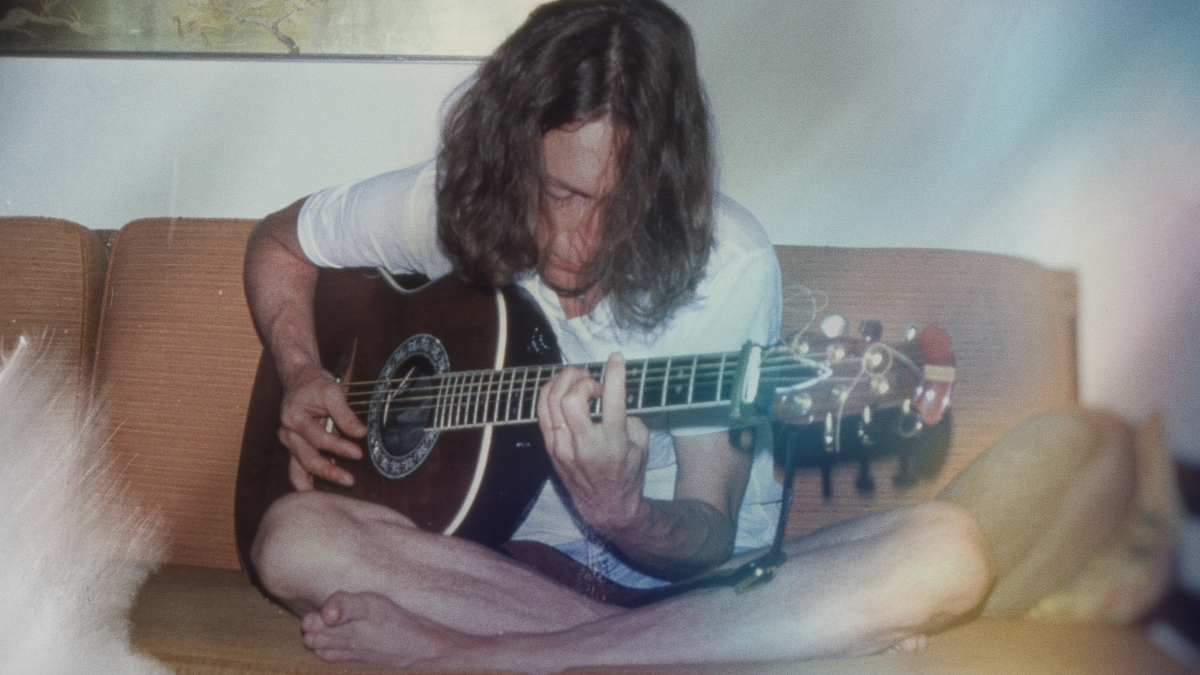
Imagine no more Beatles documentaries. Its not easy, however hard you try. Following in the footsteps of Ron Howard’s Eight Days a Week (2016), Peter Jackson’s Get Back (2021), the Martin Scorsese-produced Beatles ’64 (2024) and many others, Steven Soderbergh becomes the latest prestige film director to construct a cinematic feature around a vintage slice of Fab Four folklore with John Lennon: The Last Interview, which has just premiered to predictably hysterical fanfare at the Cannes film festival.
The Last Interview is rooted in a lengthy conversation that radio reporters Laurie Kaye, Dave Sholin, Bert Keane and Ron Hummel conducted with Lennon and Yoko Ono at their sprawling Dakota Building department home in Manhattan on January 8, 1980. All four feature in contemporary interviews here, sharing their memories of this fateful meeting. John and Yoko granted this rare interview to promote their new album Double Fantasy, which the ex-Beatle envisaged as a major career comeback after five semi-dormant years as a domestic house-husband. But just hours later, he was fatally gunned down outside the Dakota by Mark Chapman. The radio team even had an ominously weird exchange with the lurking assassin as they left.
Fully endorsed by Lennon’s surviving family, notably his artist-musician son Sean, The Last Interview is finely crafted, respectful and moving at times, but inevitably low on fresh revelations or original angles. As even casual Beatles fan will know, the original interview spans almost three hours, and has been widely disseminated over the decades in books, articles, documentaries and podcasts. The full unedited version has long been available on social media. Soderbergh’s distilled, visually enhanced remix will doubtless play well with Lennon’s huge global fanbase, but it feels somewhat surplus to requirements, its reason for existing more commercial than artistic.
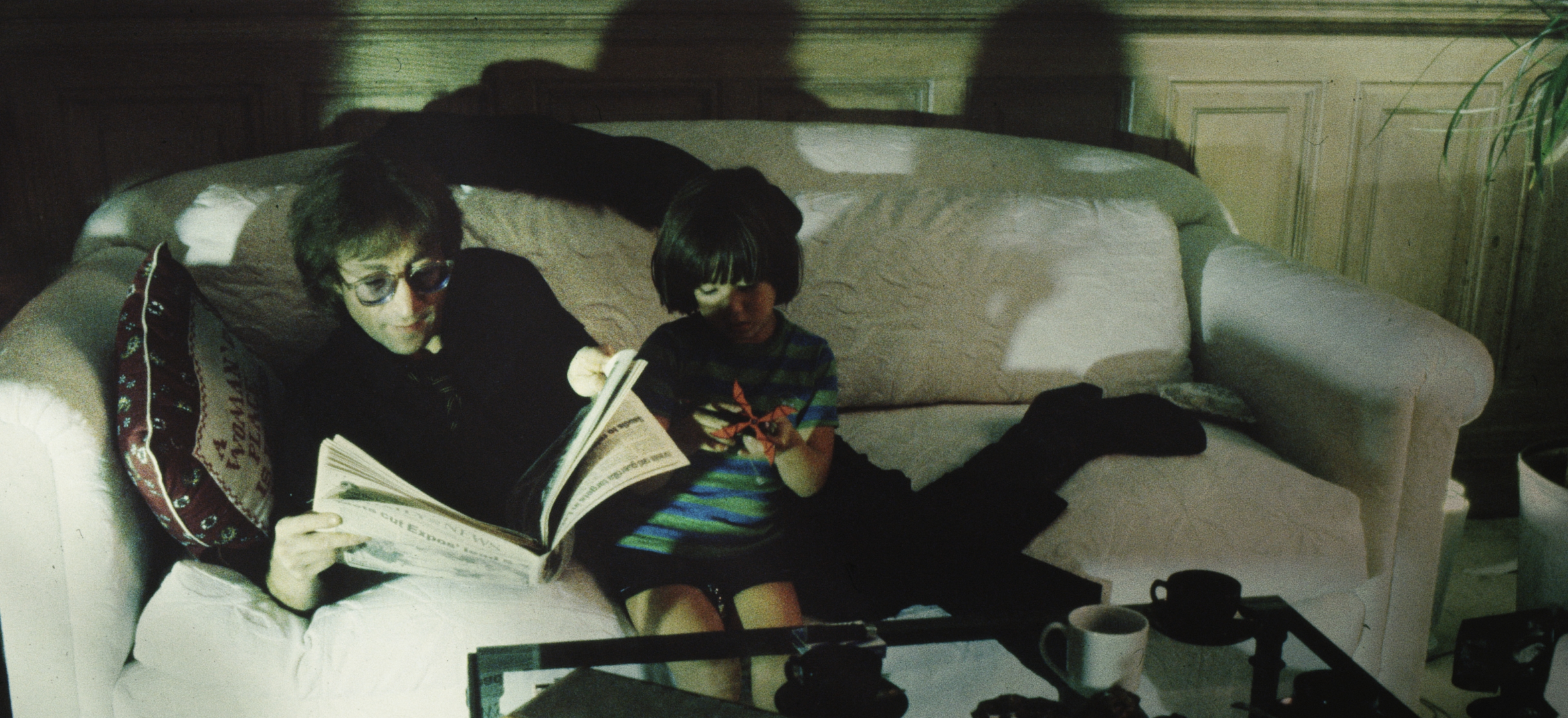 Lennon with his son, SeanKishin Shinoyama
In fairness, it remains effortlessly enjoyable to hear Lennon and Ono musing in such an unguarded way about their early romantic dates, the collapse of the Beatles, the political legacy of the 1960s, the joys of parenthood, relationship problems, the wisdom of Burt Reynolds, the rising tide of feminism, and more. Soderbergh illustrates these ruminations with thousands of archive photos and video clips, often splashed with psychedelic colours.
Controversially, Soderbergh also uses AI visual software to generate “thematic surrealism” for sections in which John and Yoko discuss more abstract subjects. These sequences — exploding Pop Art flowers, apocalyptic cityscapes, rampaging cavemen and other random eye candy — mostly feel pointless and gimmicky, but thankfully they only take up a few minutes of screen time. The Last Interview is a warm-hearted memorial to a troubled genius, but essentially just another minor addition to the Beatles Industrial Complex.
★★★☆☆
100min