
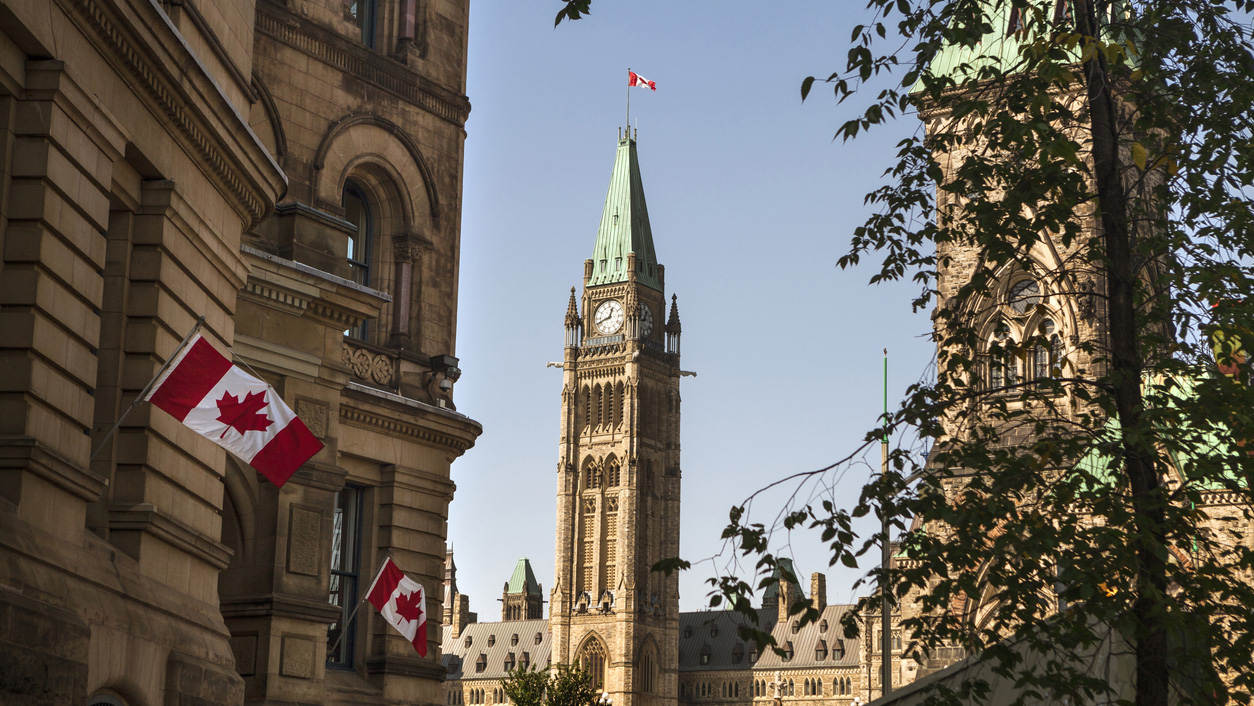
 A February report from the Parliamentary Budget Officer projected the program could cost $1.1 billion in 2026-27 without the new co-pay system. (iStock)
Ottawa expects to save nearly $93 million annually on dental care after introducing new co-payments for asylum seekers and refugee claimants under the Interim Federal Health Program (IFHP).
According to a written response tabled in the House of Commons, the federal government estimates the new co-pay system will generate approximately $140 million in savings in the 2026-27 fiscal year, with dental care accounting for the largest share at $92.9 million.
The figures were disclosed after NDP MP Heather McPherson submitted written questions about the new policy, first reported by The Canadian Press.
The co-pay changes took effect May 1 as part of an effort to reduce rising costs tied to the refugee health-care program. Under the new rules, refugee claimants and asylum seekers must now pay 30 per cent of the cost for services not typically covered under provincial health systems, including dental care, vision care, counselling, home care and medical devices. A $4 fee also now applies to prescriptions.
Related: CDCP renewal opens as 6.5M approved, more than 2M yet to receive care
Federal figures show dental care was the largest supplemental expense under the IFHP between April 2024 and November 2025, covering nearly 2.5 million dental appointments worth more than $443 million.
Routine physician visits, emergency care, hospital services, laboratory testing and vaccinations remain fully covered.
The government introduced the measures as IFHP costs continued climbing alongside rising asylum claims in Canada. Program spending increased to nearly $900 million in the 2024-25 fiscal year, up from roughly $211 million in 2020-21.
A February report from the Parliamentary Budget Officer projected the program could cost $1.1 billion in 2026-27 without the new co-pay system.
Critics and refugee advocacy groups, meanwhile, have warned the policy could discourage preventive and urgent dental care among vulnerable populations.