
Summary
GTX Titan redefined Nvidia, elevating it from GPU maker to luxury, halo-brand leader.
It normalized $1,000+ halo GPUs, launching an era of absurdly priced flagship cards.
The Titan bridged gaming and compute, seeding CUDA, creators, and Nvidia’s AI pivot.
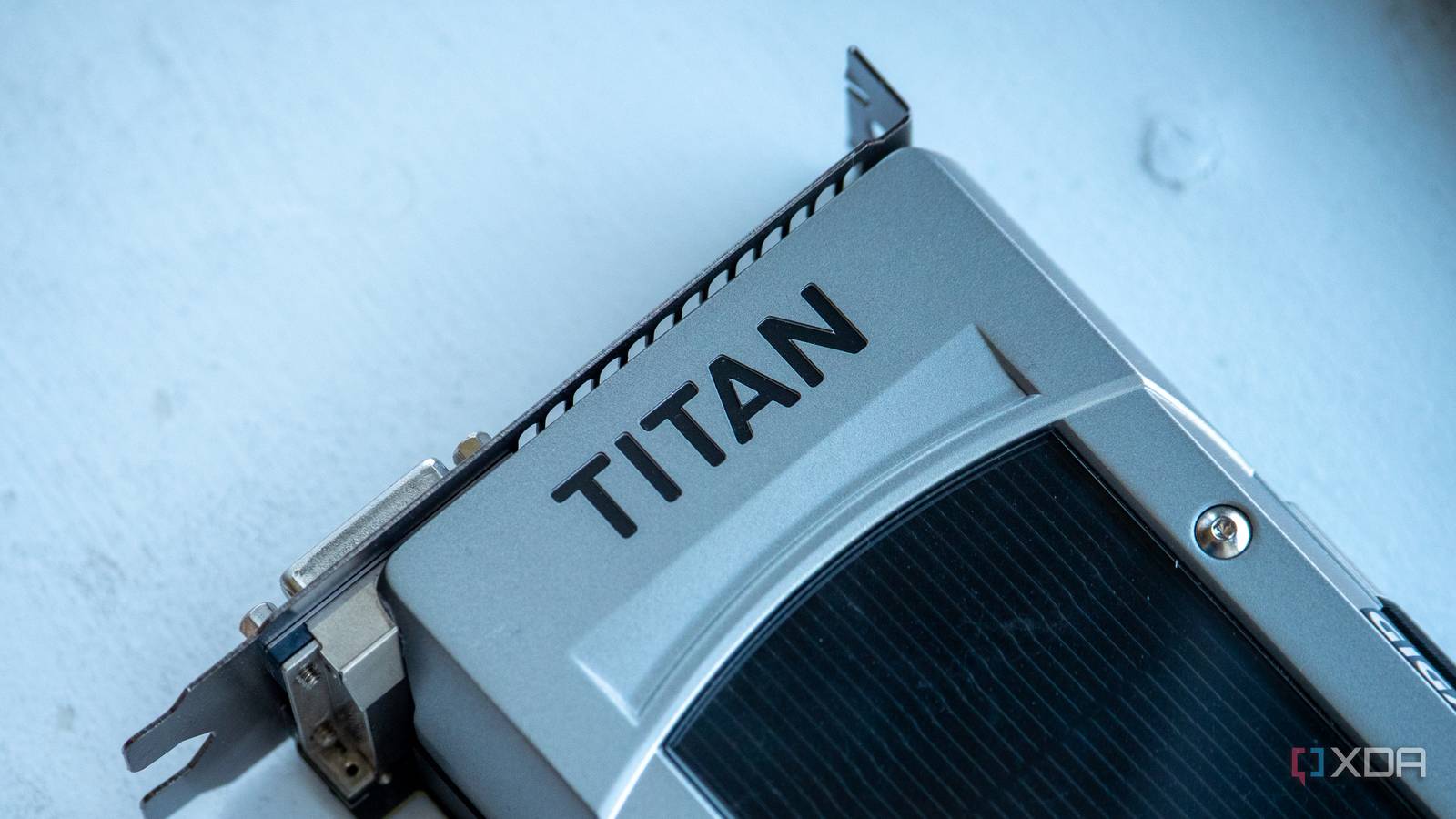
Every tech enthusiast in the world has grown up discussing the best GPUs of their time. For some, it was the GeForce 3 at the beginning of this century. The Radeon HD 5870 is spoken of with reverence, too. There’s the GTX 1080 Ti, of course, but one card that’s often left out of the conversation is an Nvidia GPU that truly deserves a place in the annals of gaming and tech history — the GTX Titan.
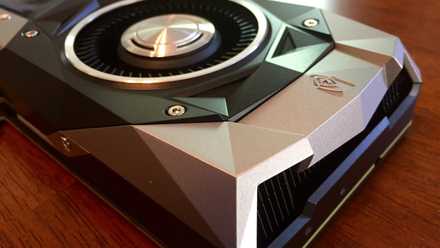
In my eyes, the GTX Titan may very well be the single most important GPU Nvidia ever released, because it fundamentally changed what Nvidia was as a company. It’s the card that made Nvidia go from a regular GPU-making company to an honest-to-goodness luxury compute empire, after all.
Related
12 years ago, I left AMD for NVIDIA, and AMD has never given me a reason to come back
NVIDIA’s ecosystem became about much more than silicon, years ago.
The GTX Titan was the mid-generation leap that put Nvidia ahead permanently
It put an end to the leapfrogging between teams Red and Green
Back in the late 2000s and early 2010s, AMD and Nvidia were still trading genuine blows at the top end of the GPU market. Radeon cards like the HD 7970 kept Nvidia honest against offerings like the GTX 680, while previous generations had seen classics like the HD 5870, GTX 580, HD 6970, and GTX 480 constantly sparring for enthusiasts’ attention. Back then, buying a high-end graphics card felt like a real choice between two competitors operating within touching distance of one another. Even Nvidia’s own GTX 780 Ti in 2013 looked untouchable on its own as it established itself as the gaming king. But then, Nvidia decided to go even further.
With the release of the GTX Titan, the tone of the entire industry changed. Nvidia effectively repurposed a professional-level Tesla K20X graphics card and dropped it into the consumer space. This singular move felt like half a generation’s worth of a leap over AMD, while Team Red could only watch. Ever since then, Nvidia has stopped competing on raw performance alone. More importantly, Nvidia successfully converted that momentum into long-term dominance once the Maxwell generation arrived, with cards like the GTX 970 and GTX 980 completely tightening the company’s grip on the enthusiast market. AMD still had strong products, but Nvidia began to look like the company dictating the future instead of merely competing within the present.
AMD still had strong products, but Nvidia began to look like the company dictating the future.
We can argue all the livelong day about whether the GTX Titan belonged to the GeForce 600 or 700 era, but that almost misses the point entirely. The GTX Titan was a mid-generation release that completely shattered the old cycle between AMD and Nvidia, where one trumped the other with its next big GPU. From the Titan onward, Nvidia stopped trading blows with Radeon cards, and started operating a full tier above them. Its growing efficiency advantage only widened the gap over time, which eventually forced AMD to push hotter, more power-hungry designs just to stay within striking distance of Team Green’s top-end performance.
Related
Modders are breathing new life into the Nvidia GTX 970 with an 8GB upgrade
It almost doubled its benchmark scores, too.
The GTX Titan changed GPU pricing forever
Nvidia never really looked back after that
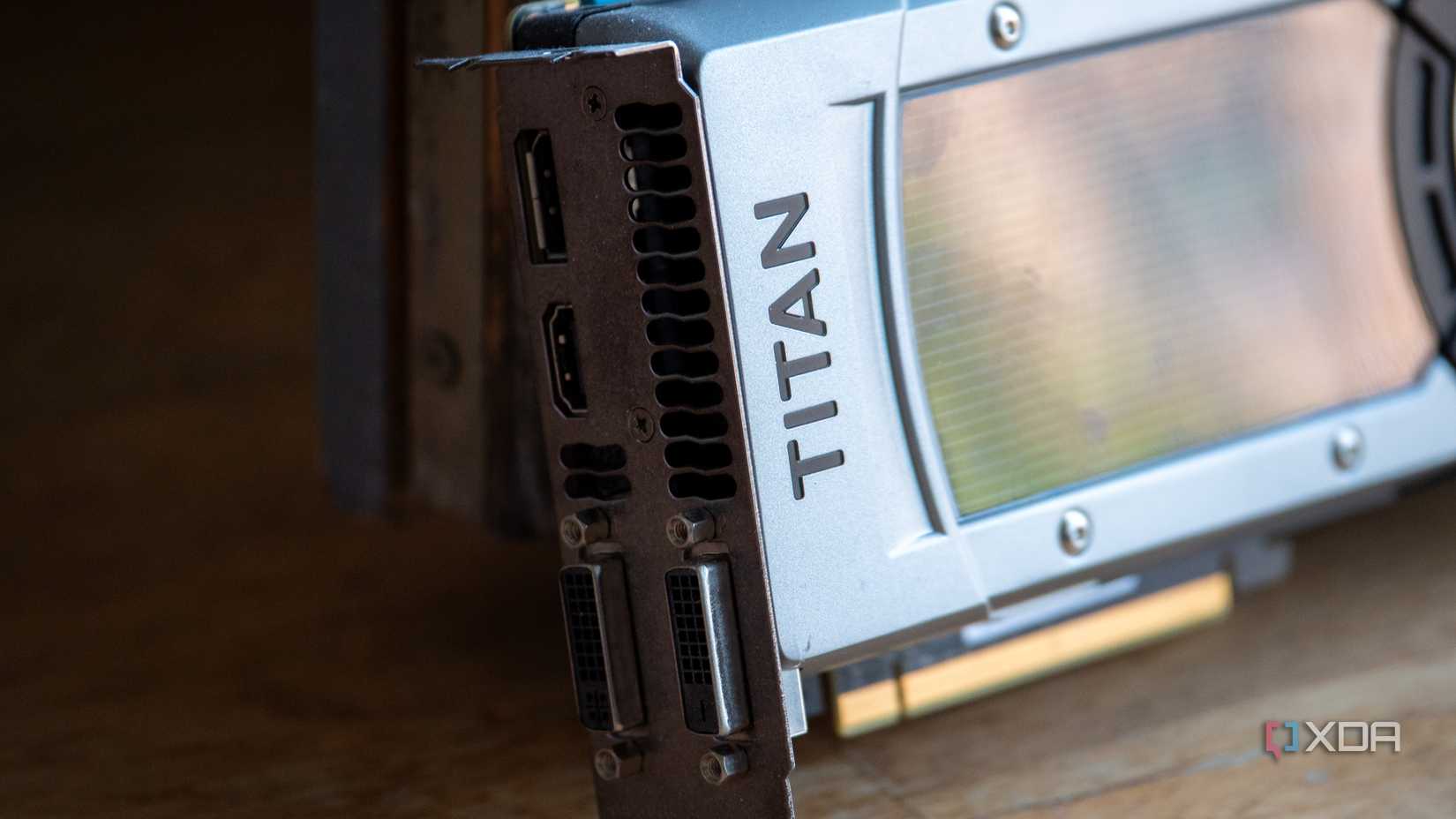
The GTX Titan was a game-changer for many reasons, and its staggering, ridiculous 6GB VRAM at the time was only one of them. It also proved, beyond a shadow of doubt, that there was a market for a $1000 GPU at a time when the flagship GTX 680 cost $499 and the GTX 690 dual-GPU monster sat at $999. Nvidia finally realized that enthusiasts were willing to pay for excess instead of outright value. This is when they began monetizing bigger dies, massive memory pools, premium materials, and the simple prestige of owning the fastest thing on the market in unprecedented fashion.
In fact, I’d argue that you can draw a direct line from the Titan to the RTX 3090, the RTX 4090, and now the RTX 5090, which have comfortably entered absurd pricing territory with almost no true rivals. This foundation was laid down by the Titan, and it’s what helped Nvidia’s coffers remain teeming with gold for over a decade now. The company learned that halo products elevated the entire GeForce brand above traditional consumer hardware, and so did we.
Related
Linux just made 8GB VRAM feel like enough for the Steam Machine
One dedicated developer is making sure Linux stops stealing too much VRAM
The Titan made everyone desire the “unobtainable” GPU
It became the red Ferrari of GPUs
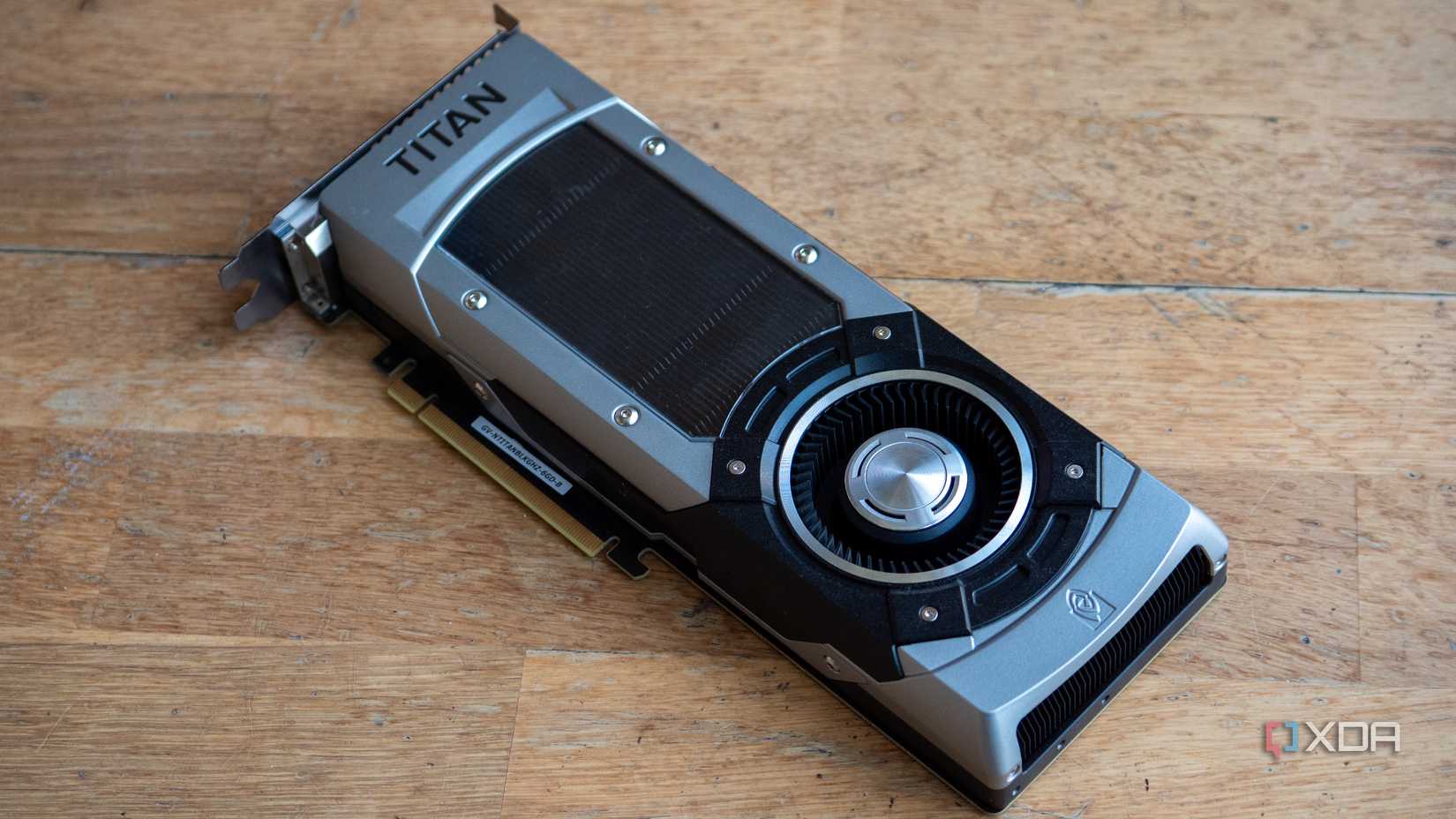
Before the GTX Titan, the x80-class GeForce card was usually the dream. In February 2013, that crown belonged to the GTX 680, the top-tier gaming product most enthusiasts realistically aspired toward. The Titan, then, changed that overnight by introducing something so deliberately excessive, expensive, and overbuilt that most people immediately questioned whether anyone actually needed it. Ironically enough, that became the entire appeal.
The GTX Titan immediately became the unobtainable card, the aspirational GPU for every generation going forward. Eventually, the xx90 series dethroned the x80 lineup as Nvidia’s proudly overkill flagship tier, complete with absurd pricing, absurd power draw, insane memory configurations, and that oh-so-irresistible “do you even need this?” factor. Titan-class GPUs became the red Ferrari of the PC gaming world — most kids would never own one, but nearly everyone wanted to talk about them and imagine using one.
This was the cultural shift that still exists today with a GPU like the GeForce RTX 5090. Just like the original Titan, it sits in a class of its own, with effectively no direct rival from AMD. Radeon cards may compete brilliantly in certain segments, even surpassing Nvidia occasionally, but Nvidia’s halo products genuinely exist in a separate prestige category entirely. That mindset started with the GTX Titan, which taught consumers to admire excess itself, while teaching Nvidia that aspirational hardware could be just as important as mainstream volume sales.
Related
My RX 9070 XT was the better GPU, but AMD’s track record pushed me back to RTX
If they’re willing to lock FSR 4 to the newest cards, that’s not good news for the longevity of my GPU
The Titan quietly helped build the bridge toward Nvidia’s AI future
It’s tough not to be reverent about this GPU
It wasn’t until I dived deeper into the GTX Titan rabbit hole that I realized just how integral this GPU was to Nvidia’s eventual pivot toward compute-heavy workloads beyond gaming. The original Titan used a cut-down variant of the massive GK110 chip, which was designed for Tesla accelerators. As such, the Titan joining the GeForce brand meant Nvidia had handed consumers access to huge compute capabilities without the need to outright spend as much money as enterprise hardware demands. This included CUDA developers, 3D artists, researchers, and workstation users.
Naturally, subsequent Titan cards took this idea further. The Titan X came out in 2015 with double the VRAM of the Titan, and became immensely popular among creators and machine learning researchers. Other cards, like the Titan V, and 2018’s Titan RTX focused on architectures and tensor hardware, long before AI became the mainstream obsession that it is today. There’s no denying that datacenter products, CUDA, and years of software development are what got Nvidia its AI throne. However, the Titan absolutely deserves its flowers for bringing together GeForce gaming GPUs and professional ecosystems.
Clearly, that bridge did its work and then some. The GTX Titan normalized the idea that Nvidia’s highest-end consumer GPUs could actually do a lot more than gaming, which is exactly what today’s AI-heavy RTX cards are doing. Anyone with an RTX 3090, RTX 4080/90, and RTX 5080/90 is clearly underutilizing their GPU if they aren’t also using their GPU for heavy editing workloads and hosting local LLMs.
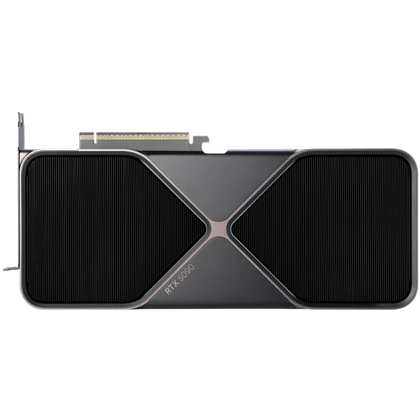
Architecture
Blackwell
Shader Units
21,760
Ray Accelerators/Cores
170
Base Clock Speed
2,010MHz
Boost Clock Speed
2,410MHz
Memory Capacity
32GB GDDR7
NVIDIA’s RTX 5090 is a 32GB GDDR7, 21,760-CUDA-core Blackwell flagship built for uncompromising 4K and ray-traced gaming performance.
Related
6 GPUs that are officially too old in 2025
These GPUs can no longer bring it in modern titles
There’s before the GTX Titan, and after the GTX Titan
AMD never managed to reclaim the cultural or technological advantage the GTX Titan gave to Nvidia in 2013.
The Titan fundamentally shifted the balance of power in the desktop GPU industry forever, because before it, AMD and Nvidia were still rivals on relatively equal footing. After the Titan, though, Nvidia became the company setting the pace for everyone else to follow and try to live up to. This was all thanks to the ridiculously relentless momentum they followed through Maxwell, Pascal, RTX, and DLSS, all of which, in their own way, have contributed to making GeForce the defining name in consumer graphics worldwide.
It’s not like AMD hasn’t remained competitive, or stopped producing excellent hardware. However, the Radeon brand just hasn’t managed to reclaim the cultural or technological advantage that the GTX Titan gave to Nvidia all the way back in 2013. Today, when you look at the RTX 5090 sitting uncontested at the top of the market, you’re really looking at the legacy of the GTX Titan, all over again.