

Listen to this article
Estimated 4 minutes
The audio version of this article is generated by AI-based technology. Mispronunciations can occur. We are working with our partners to continually review and improve the results.
If you’ve visited Little Italy, you know the Royal Theatre is a landmark in the neighbourhood.
The building’s current owner, Geoff Pickering, has had offers to sell the building but says he’s turned them down because he wants to see the theatre continue to thrive.
Part of that plan has involved reimagining the lobby with another long-standing Toronto business: Volo.
Recent renovations maintained many of the original touches of the theatre, which was first built in the 1930s, but also transformed the space into a bottle shop with specialty Italian food items, where theatre-goers can get higher-end concessions.
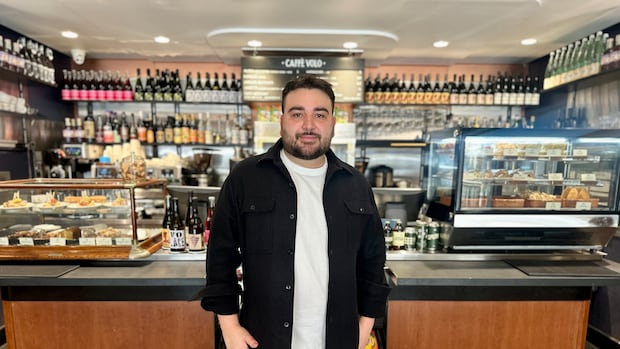
“You can get a bottle of wine, a dirty gin martini, or even a little Cicchetti and hit the seats,” said Julian Morana, co-owner of Bottega Volo. His family business has been around for more than 40 years and was started by his parents, who had a southern Italian restaurant on Yonge Street.
His family also runs Bar Volo and Birreria Volo next to the theatre.
Morana said bringing Bottega Volo into the lobby of the Royal Theatre has been the perfect pairing. He recently signed a 15-year lease with the landlord to ensure the theatre continues to thrive in a new way.
“We sold him on the idea of moving our bottle shop or bottega concept into the lobby of the cinema,” he said.
“It’s a really cool experience and very unique for Toronto.”
Bringing the theatre back to its Italian roots
Rocco Mastrangelo Jr. is the co-owner of Café Diplomatico, which has been a Little Italy staple since 1968 and was founded by his father Rocco Mastrangelo Sr.
Mastrangelo said his father also used to own the Royal back when it was called the Pylon and focused on Italian cinema.
“He actually owned seven Italian cinemas in the city of Toronto between the late 1960’s and the mid 1980’s, and the Royal was one of his cinemas,” he said.
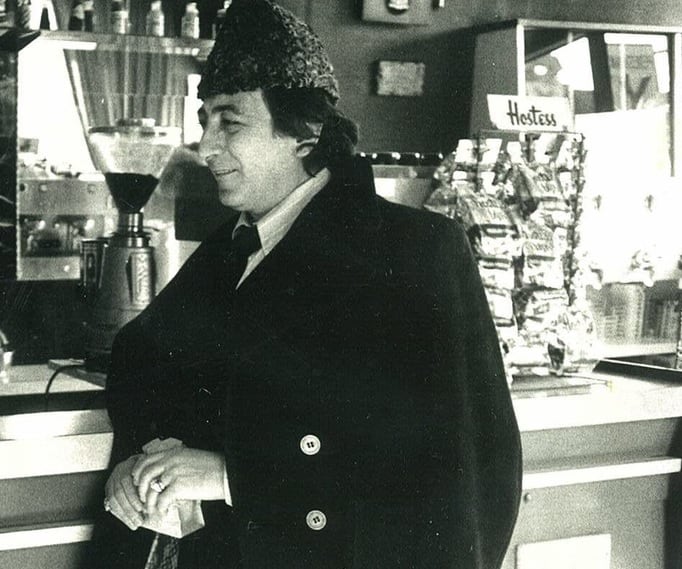 Rocco Mastrangelo Sr. founded Café Diplomatico in 1968 and also owned the Royal Theatre back when it was called the Pylon. (Submitted by Cafe Diplomatico)
“The Pylon played an integral role in the Italian community. People would get dressed up and have a night out and watch a great movie, then come here to Diplomatico to have an espresso and gelato.”
Mastrangelo said after seeing Little Italy change dramatically over the last few decades, he’s happy to know that the Royal will remain a landmark on College Street for at least another 15 years.
‘A new business model,’ says theatre operator
Dan Peel, operator of the Royal Theatre and president of Theatre D Digital, says the venue operates a lot differently than it did back in the 1930s, but has done a lot to preserve the history too.
The theatre now hosts private screenings, corporate events and live performances.
“It’s a new business model and that’s something that we find exciting and something that we get a great response to,” he said.
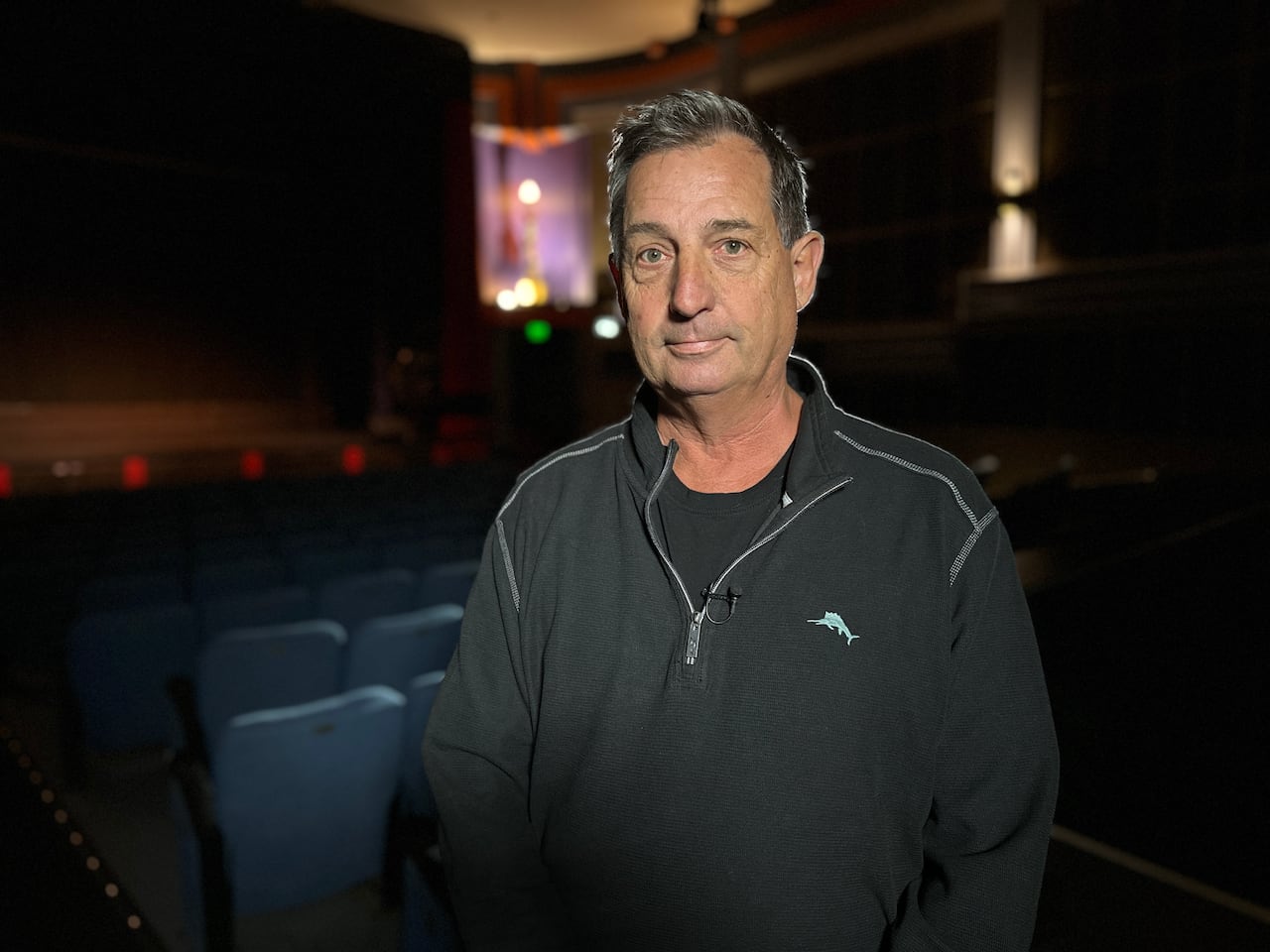 Dan Peel, president of Theatre D Digital, says the theatre does post-production for television shows and movies during the day and opens up to the public for screenings and events in the evening. (Talia Ricci/CBC)
“Our clients and the community that comes here love what we do, and that’s why we keep doing it.”
Peel said when 400 people pour out of the Royal after a show, it’s also beneficial for the businesses around Little Italy.
That’s the community feeling Morana hopes to create at his business in the theatre, while connecting visitors with his Italian heritage.
“We’re just getting started, and it’s going to be so exciting to complete the space with our kind of interpretation of the art deco theme. But the real intention is to be a staple in the community, be very open and friendly and offer people a space that’s just a little different.”