
Stay up to speed with stories written by drivers, for drivers.
Get automotive news, DIY tips, market trends, in-depth car profiles, and more right in your email inbox.
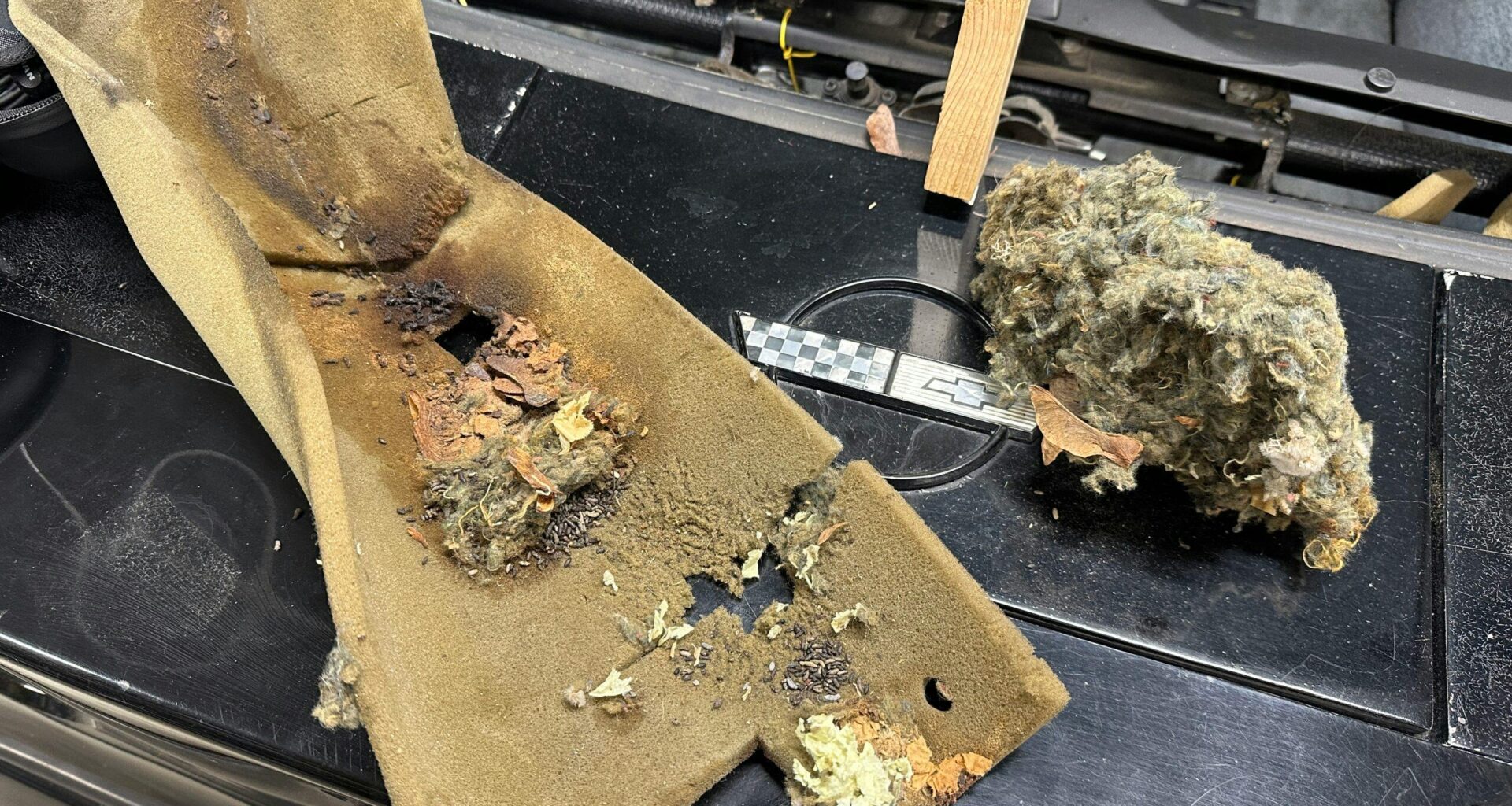
There is no shortage of risks when driving or maintaining vintage cars, and we all either accept those risks or take action to mitigate them. For example, small changes in driving habits can reduce the risk of getting involved in a traffic collision, but some risks are far harder to see and can get us even if our cars aren’t being driven. Vintage and collector vehicles often sit for extended periods of time, occasionally playing host to vermin or rodents. These unwanted guests bring—and more importantly leave behind—remnants that are not only annoying, but can be dangerous to your health.
Rodent droppings and nests can live longer in cars than the animals that made them, and that means many aging cars can harbor hazardous material without us even knowing. I say this because I have learned the hard way when taking apart a new purchase only to find nest after nest after nest. I’m not alone either. If this happens to you, here’s what you need to know to stay safe.
What hantavirus is
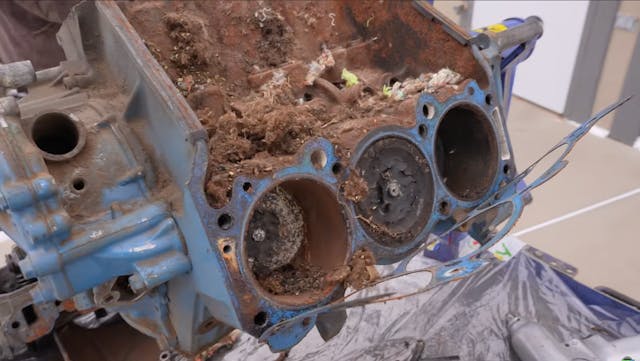 Mouse nests like this can be silently dangerous.JAMSI Online
You might have heard the term tossed around a lot lately, but what is hantavirus, and what are the risks? In short, hantavirus is a name that covers certain types of viruses, originally identified in Korea during the Korean War, with another type identified in the United States in 1993. Though rare, these viruses can be deadly as they often lead to diseases like hantavirus pulmonary syndrome (HPS) and hemorrhagic fever with renal syndrome (HFRS). HPS is most common in the United States, but it is possible to contract HFRS in the U.S. too, though it is mostly found in Europe and Asia.
Where and why you might encounter hantavirus in your old car
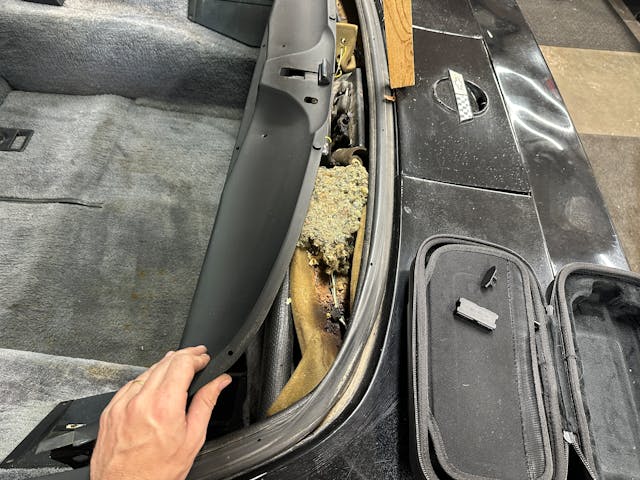 Mice can get into and hide in surprisingly small spaces.Kyle Smith
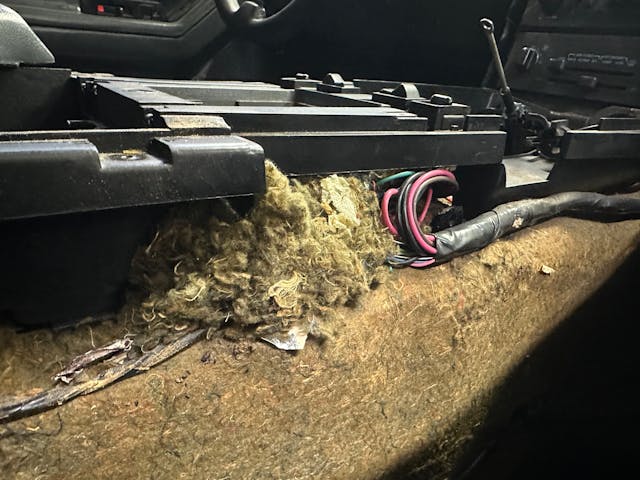 Handling something like this should be done carefully.Kyle Smith
The main carrier of hantavirus in the U.S. is the deer mouse, which, like many types of rodents, likes to make nests in warm spots, especially over winter. Anyone who has pickled a vintage car for even just one season has likely been made aware of the risk of mice chewing wires and seat foam, along with destroying other materials as they build nests.
Those nests appear to be the least annoying part, but can actually be the most dangerous. The main risk of contracting hantavirus is by inhalation or through skin contact, making cleaning these nests out something that should be taken seriously. According to the Centers for Disease Control and Prevention, the virus can also spread when saliva, urine, or feces from an infected animal gets into cuts in a person’s skin or their eyes, nose, or mouth.
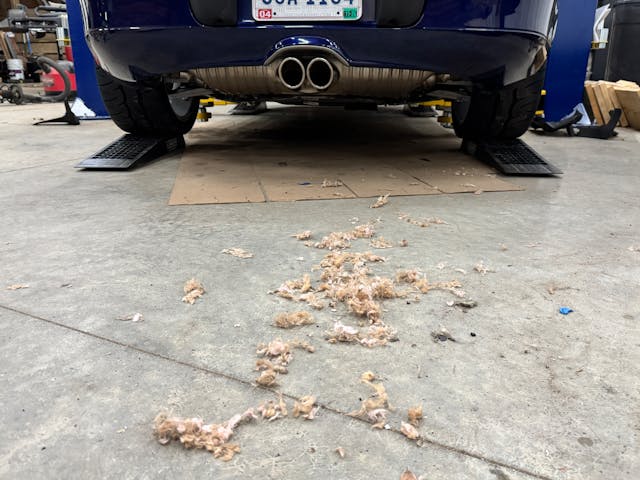 Even exhaust is not immune from nesting rodents, as Eddy Eckart found out recently.Eddy Eckart
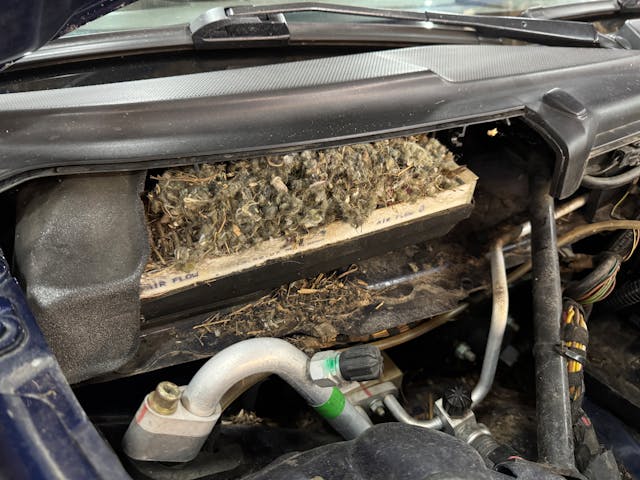 Cabin air filters seem to be favorite nest locations.Eddy Eckart
This means if you do find a mouse nest or detritus in your car, taking the small amount of extra time to prevent touching or inhaling when removing the nest is prudent. A mask, gloves, and standard household disinfectant like a bleach and water mixture are enough to nearly eliminate the risk of contracting hantavirus. The CDC also recommends airing a vehicle out prior to cleaning and against using a vacuum to clean up nests, as it is likely to stir up material into the air and make it more likely to be breathed in. Prevention involves making the space as inhospitable as possible for the rodents, laying traps, and closing up small holes to prevent them from ever entering.
Mice destroying our beloved cars can be tough, but when taking action to repair or prevent possible damage, ensure that the car is the only thing needing attention and repair. We can’t mitigate all the health and safety risks that come with vintage vehicles, but hantavirus is one that you should not fear.