
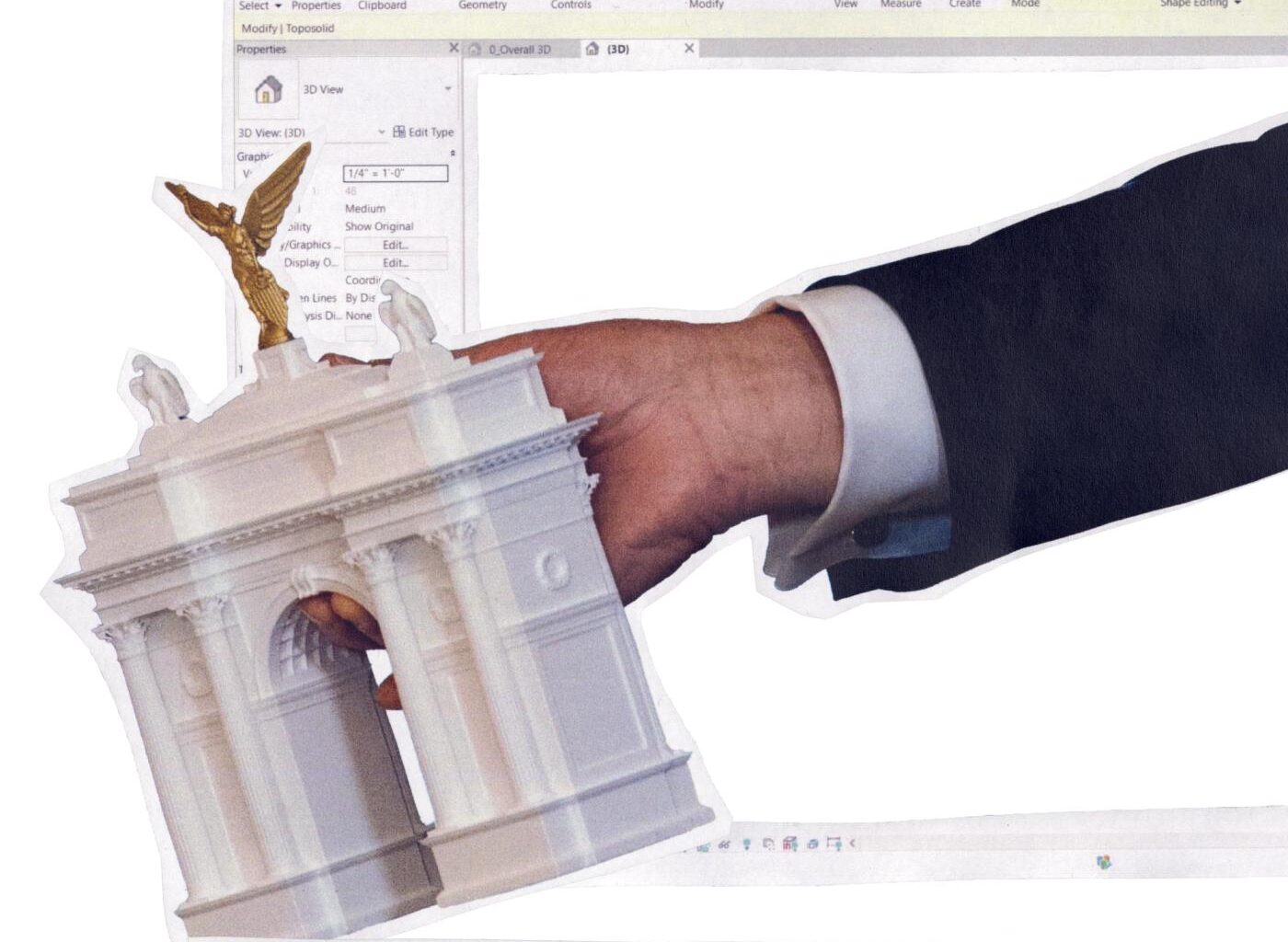
It is no wonder that, by the mid-2010s, architecture and its discourses began to politicize in new and divergent ways. The Right reinvigorated its anti-Modernism, long a pet project, as new generations of so-called traditional-architecture advocates mixed identity politics (specifically the doubling down on Eurocentrism at a time when diversity and inclusion were the order of the day) with the Classical revival that flourished during the style wars of the 1980s. On the Left, a new generation of critics (including yours truly) turned their eyes away from the big projects toward questions of labor and equity, as well as to cultural criticism: of the growing power and influence of the tech industry and how it has changed our interaction with the built environment through consumption (i.e. Instagram) and surveillance; of the widening aesthetic trends popular in everyday life, including the many iterations of minimalism (tech minimalism, industrial chic, and rustic modernism, aka the farmhouse style); and the varying discourses in urban planning, from gentrification to zoning policies. Future-oriented, the progressive politics of this moment were rooted in the need to remake the world in a better image, whether through racial and gender parity, environmental justice, or labor rights.
The lessons these past 25 years have taught us remain important. As the pandemic reoriented life around the interior, as new technology aims to keep us there, and as the state expands into every crevice of our lives, it is easy to become complacent toward the built environment, to see architecture as a frivolous game played by the world’s wealthiest.
But the political landscape of architecture is changing, not in terms of stylistic development but in its role as a manifestation of power and as a revealing statement of the way things are going. This is the architecture of the border camp, the logistics hub, the prison. In an age of AI slop, nostalgia poisoning, “return to tradition” narratives, revivals of old-school imperialism in the form of triumphal arches and gilded ballrooms, it becomes imperative for architecture, and architects, to look ever forward, especially now, when it hurts.