

Listen to this article
Estimated 4 minutes
The audio version of this article is generated by AI-based technology. Mispronunciations can occur. We are working with our partners to continually review and improve the results.
A non-profit treatment centre is sounding the alarm about wait times for publicly funded beds and a lack of funding for recovery.
Renascent, which operates three centres in Toronto and one virtual program, provides support for those impacted by addiction. Its staff say the demand for government-funded treatment has far outpaced capacity.
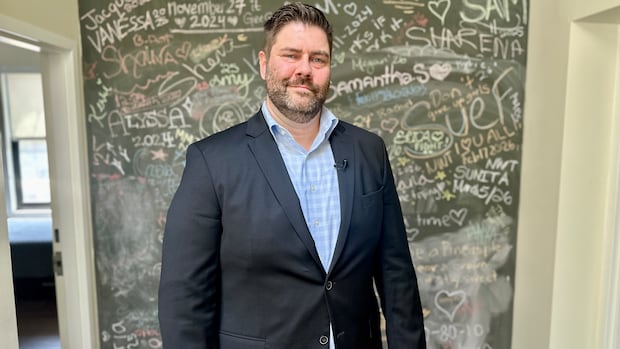
“The crisis that we’re experiencing in the publicly funded sector is one of resources,” said Michael Lochran, CEO of the organization.
“Our funding is not adjusted for inflation, which means that we actually have less resources now to serve people than we did 20 years ago, and we’re going to have even less next year.”
Renascent says approximately 30 per cent of funding for live-in addiction treatment comes from the province. It also relies on funding from private and corporate sources, as well as philanthropic support to carry out its work.
According to Renascent’s website, more than 50,000 people have walked through its doors since its inception in 1970, and addictions counsellors at its sites deliver structured treatment for recovery. But today, wait times for publicly funded beds span several months, leaving people without timely intervention, it says.
Ontario’s Ministry of Health says it’s making record investments in more mental health and wrap-around supports, but staff at Renascent say recovery programs remain severely underfunded compared to other addiction interventions. The Ontario government is no longer funding safe consumption sites as of June, which has sparked worry and anger from some advocates and people in health care.
“The opioid crisis has made a lot of headlines, but we also have addiction crises with alcohol and stimulants, and it has been getting increasingly more difficult,” said Lochran.
Province says it’s making record investments
In a statement, the Ministry of Health says the government is helping people break the cycle of drug addiction by making record investments in more mental health and wrap-around supports.
“Across the province, we are investing a historic $560 million to build 29 Homeless and Addictions Recovery Treatment (HART) Hubs across Ontario, which provide people facing mental health challenges with 24/7 support to connect them with treatment and recovery options,” ministry spokesperson Ema Popovic said in a statement.
The province also said it is investing “$3.8 billion through the Roadmap to Wellness, and $124 million through the Addictions Recovery Fund, to expand access to mental health and addiction support services across the province.”
According to the statement, that includes 500 new addiction recovery beds, and over 1,200 new supportive housing units across Ontario.
Dr. Andrew Pinto is a physician at St. Michael’s Hospital and the director of the Upstream Lab; a research team focused on tackling social determinants of health. He says in addition to treatment programs like Renascent, there also needs to be more focus on funding for trauma prevention and ensuring people have adequate housing and income security.
“Often that’s such a key part of people’s treatment and their recovery process,” said Pinto.
“Recovery is crucial and it needs to be sustained over time, over many years, otherwise there’s a really significant risk that people relapse into substance use again,” he said.
Staff at centre have first-hand experience
Kelly Holt, registered psychotherapist and an assistant manager at Renascent, applauds the model at the organization, where all clinical staff have lived experience with addiction and are in recovery themselves, according to the centre.
She says the program saved her life when she was a client in 2014.
“Coming here and meeting people that had experienced it and could relate to me on that level, it blew my mind and it meant so much to me,” she said.
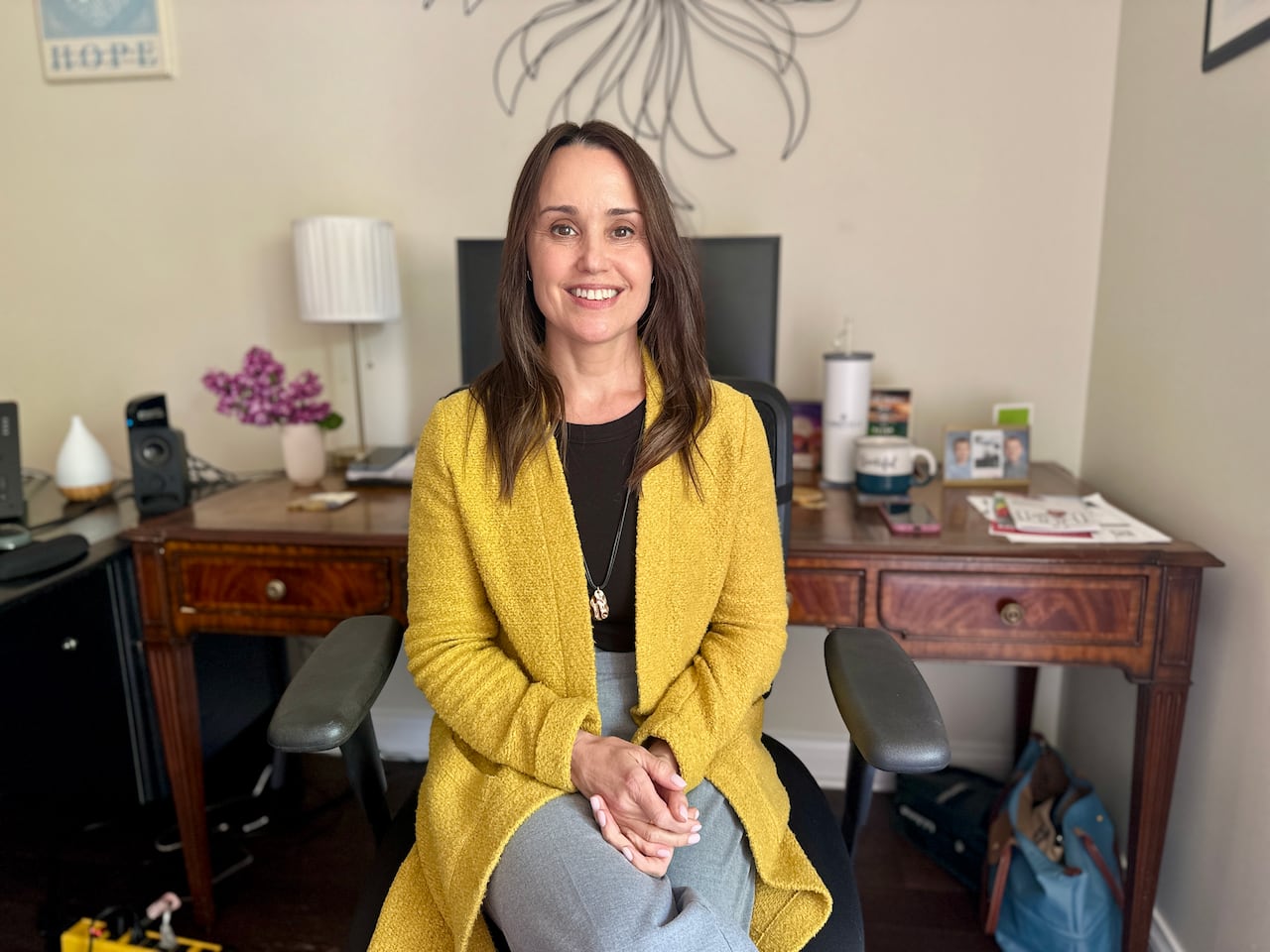 Kelly Holt is a registered psychotherapist and assistant manager at Renascent’s Dundas Street location, which focuses on women’s recovery. (Talia Ricci/CBC)
Holt hopes to see people having more conversations about addiction, reducing the stigma.
“We’re seeing an increased demand for treatment with more complex cases.”
Renascent CEO Michael Lochran says if the province’s goal is to reduce overdoses long term, it needs to invest more in helping people get well.
“We give fathers and mothers and brothers and sisters back to their families … Our society is stronger with those people in it,” he said.