
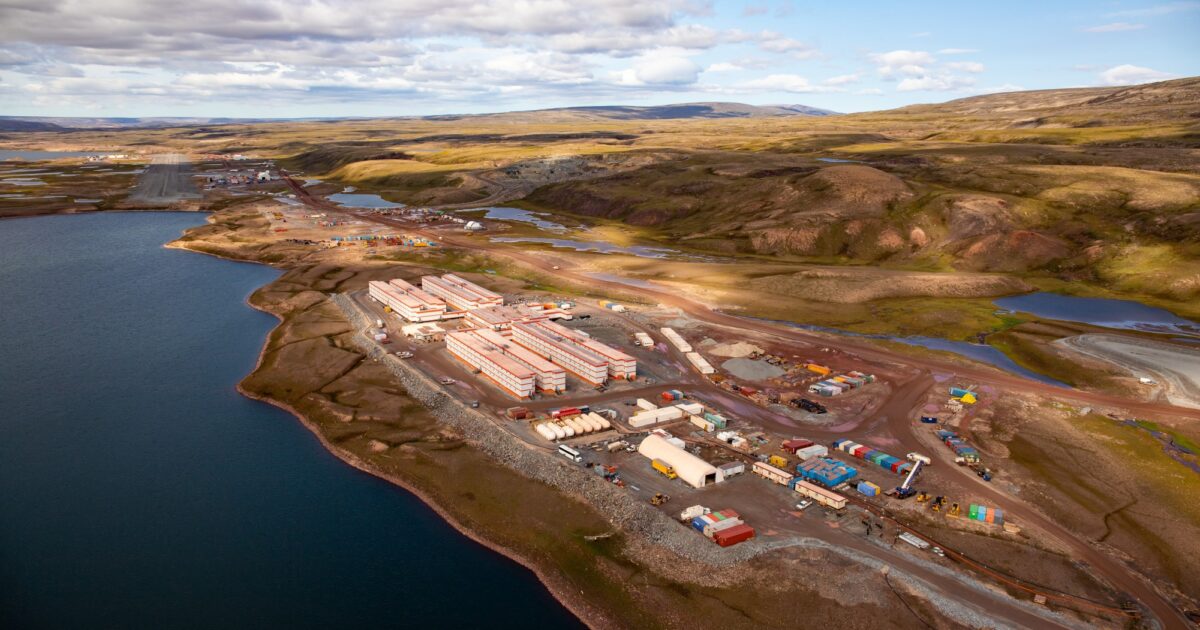
Company that operates iron mine seeks creditor protection for more than $1B in debt
The potential closure of Baffinland Iron Mines Corp.’s Mary River iron mine would be a “great loss” to today’s Inuit workers, but a win for “next generations” of Inuit, says Arctic Bay resident Marie Naqitarvik.
“The workers over there and their families would suffer, I know, but if [the mine] were to continue, that would be hard for our next generation and hunters,” she said Thursday in a phone interview.
The Oakville-based company is seeking creditor protection for approximately $1 billion in debt, according to Ontario Superior Court files. It has operated the Mary River iron mine, located on northern Baffin Island near Arctic Bay and Pond Inlet, since 2015.
The company’s financial problems came to light last week..
The troubles in part due to the $1.46 billion the company spent on its proposed Milne Inlet railway expansion that was ultimately rejected by the federal government. Between 2017 and 2022, Baffinland “entered into significant contracts” in anticipation of approval, according to documents filed in Ontario Superior Court of Justice.
As a result, Baffinland says it lacks the means to buy fuel before this year’s sealift shipping window closes, which may force the mine to “cease operations entirely,” court documents say.
Despite that, Baffinland expects no operational disruptions to the mine and day-to-day decisions are still being made by executives, “subject to court oversight,” said Peter Akman, the company’s spokesperson, Wednesday in an email to Nunatsiaq News.
Naqitarvik was the spokesperson for the Nuluujaat Land Guardians, a group of seven Inuit who, in 2021, blocked access to the mine for a weeklong protest of Baffinland’s proposed expansion.
For years, people in communities near the mine have said increased industrial activity in the area is driving away the animals they rely on for sustenance. These concerns are what ultimately led the federal government to reject Baffinland’s proposed expansion for Milne Inlet in 2022.
Naqitarvik said the locals observed the company expanding its infrastructure before it got the necessary approvals.
Over at the NWT and Nunavut Chamber of Mines, acting executive director Hudson Lester declined to comment on the company’s billion-dollar investment in its unapproved Milne Inlet project, saying he didn’t have the technical background to do so.
But he did say it was concerning to see the company seek creditor protection.
“You never want to see a company go through this, especially one that employs so many Inuit workers and contractors,” he said.
Baffinland is Nunavut’s largest private sector employer with 1,200 people on its payroll, including approximately 300 Inuit employees, according to court documents, and mining makes up almost half of Nunavut’s gross domestic product.
If the mine were to close, it would have an impact on the territory’s workforce and GDP, Lester said.
The Qikiqtani Inuit Association would also take a “hit” if the mine closes, Lester said.
Mary River mine sits on Inuit Owned Land and Baffinland pays $1.25 million in quarterly royalties to the Inuit association for the right to mine there.
Representatives from the Qikiqtani Inuit Association didn’t respond to a request for comment on Thursday.
Despite the mine’s troubles, Lester says he still holds an “optimistic” view of Baffinland’s future.
“I haven’t had an in-depth chat with Baffinland as of yet, just with all that’s going on, so I can’t speak to it for certain, but I’m still on the hopeful side, and on the side that things will stay as they are,” he said.
Nunavut MP Lori Idlout says she will “continue to monitor” the situation.
“The Mary River Mine is a critical part of Nunavut’s economy. It supports jobs, training opportunities, and local businesses across the Qikiqtani Region,” Idlout said in a written statement on Thursday.
In 2021, before she became a member of Parliament, Idlout was the lawyer representing the anti-Baffinland Nuluujaat Land Guardians group.