
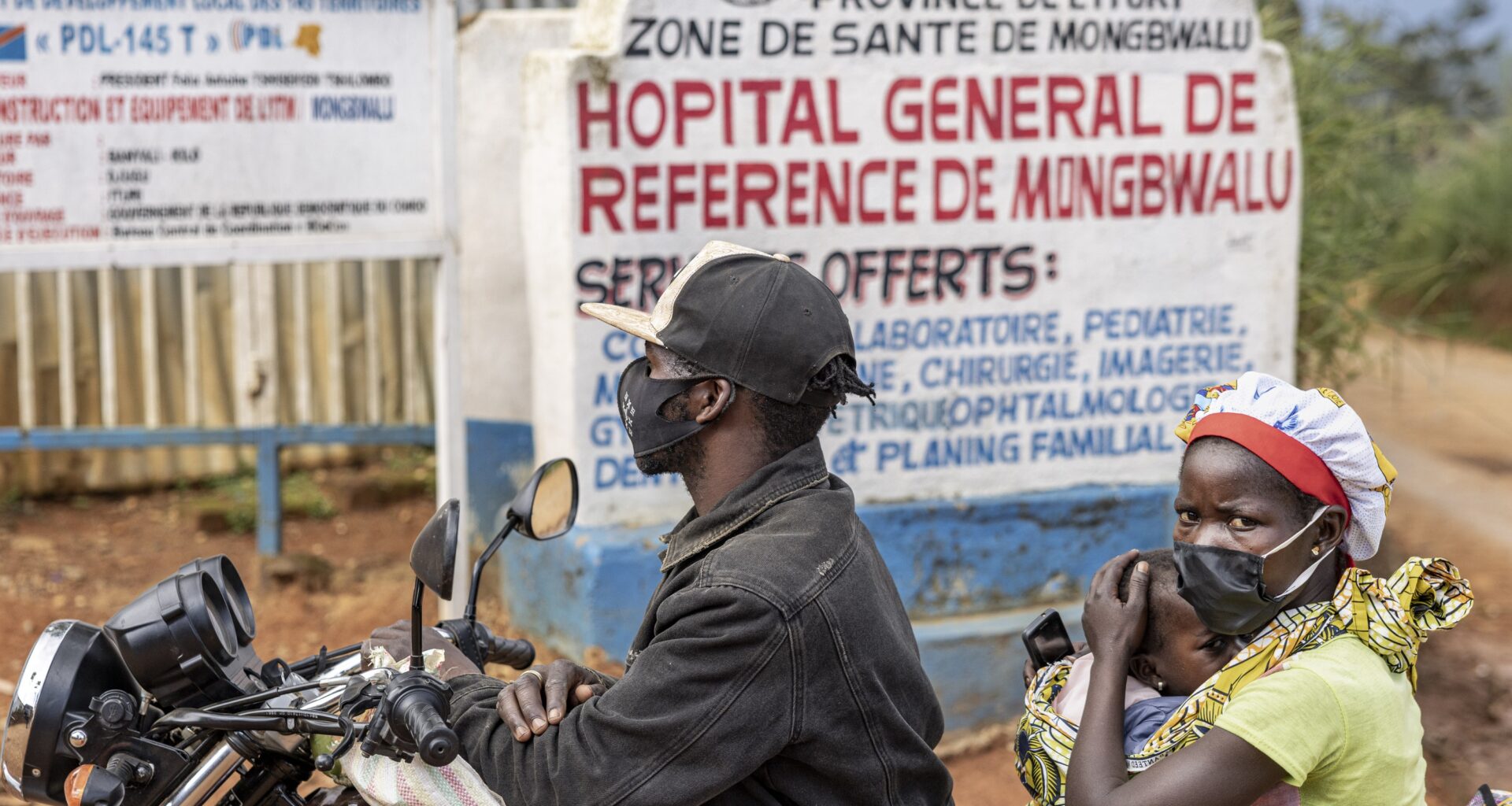
Quebec’s foremost expert on pandemics — and a veteran in battling Ebola outbreaks in West Africa — is assuring Quebecers the chance of the deadly disease reaching the province is highly unlikely, but Canada can do a lot more to help the Democratic Republic of Congo.
“You should be very worried for the Congolese, but you shouldn’t be worried for the Canadians, basically,” Dr. Joanne Liu, a professor at McGill University’s School of Population & Global Health, told The Gazette in an interview on Thursday.
“I think the risk is fairly low,” Liu said, commenting on whether Quebecers should take extra precautions.
Liu, a former international president of Médecins Sans Frontières, made those remarks a day after an Air France flight from Paris to Detroit was diverted to Montreal because of U.S. restrictions on travel from Ebola-affected countries. A passenger from the Democratic Republic of Congo (DRC) was cleared by quarantine officers upon arrival at Montréal-Trudeau International Airport before returning to Paris.
“The best way to avoid cases of Ebola at home is to make sure that we control where it’s happening right now,” added Liu, alluding to outbreaks in the DRC and Uganda.
“What I’ve been saying to the Canadian government (is to) is give a hand.”
Public health authorities in Africa are running out of personal protective equipment and Canada can send some of its PPE that is being stored in warehouses, suggested Liu, who took part in emergency responses during Ebola outbreaks in West Africa from 2014 to 2016.
Ebola is a severe disease caused by a hemorrhagic fever virus, with fatality rates varying from 25 to 90 per cent in past outbreaks. The average fatality rate is around 50 per cent, according to the World Health Organization.
“People can get infected with the virus from another person by direct contact through broken skin or mucous membranes (from) the blood or body fluids of a person who is sick with or has died from Ebola disease,” the WHO states in a fact sheet on its website.
In addition, people can become infected by coming into contact with “objects or surfaces that have been contaminated with body fluids like blood, feces (and) vomit from a person sick with the disease or who has died from the disease.”
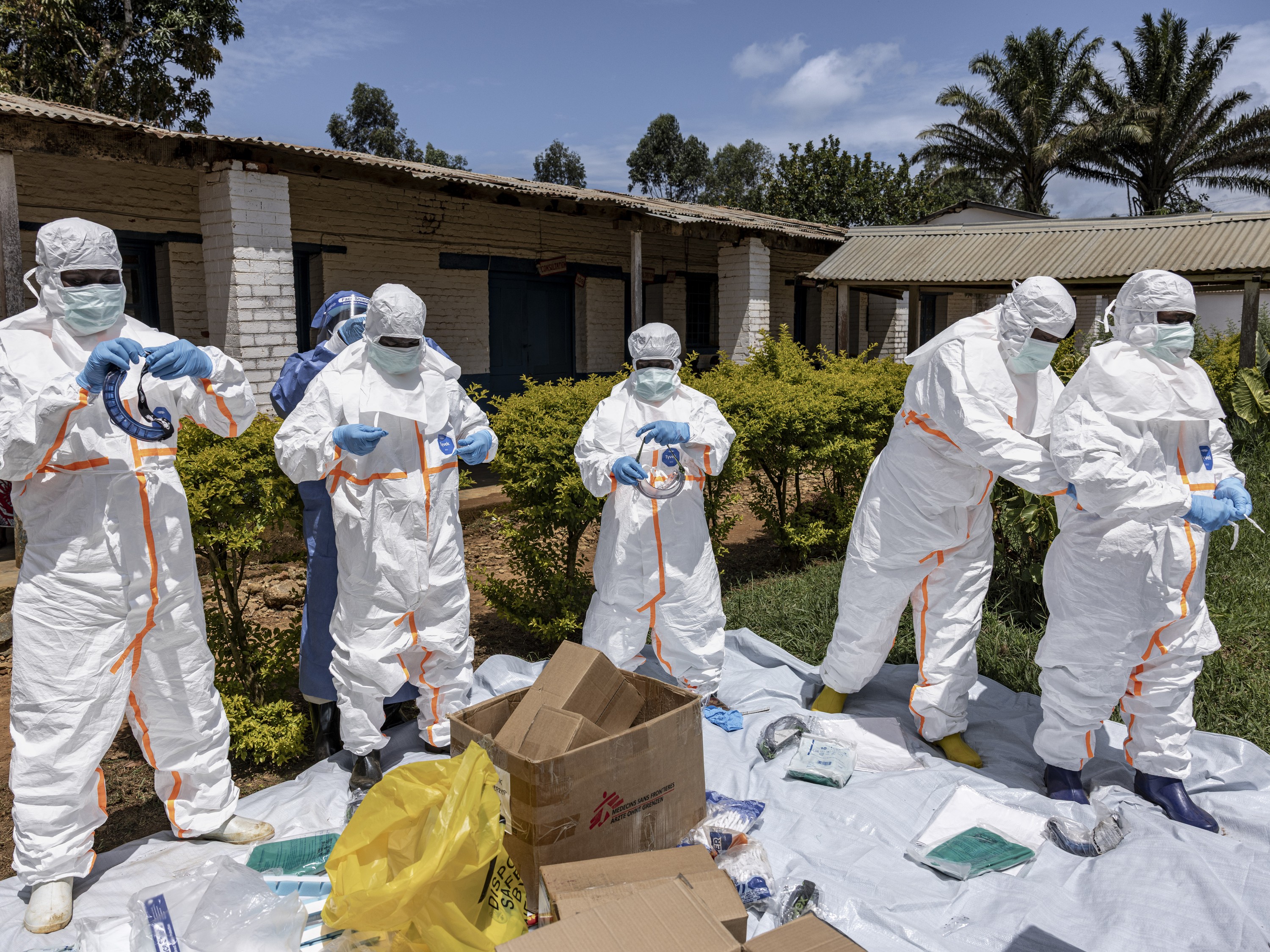 Public health authorities in Africa are running out of personal protective equipment and Canada can send some of its PPE that is being stored in warehouses, McGill’s Dr. Joanne Liu says. Michel Lunanga / Getty Images
No approved vaccines for Ebola
At present, there are no approved vaccines for the Bundibugyo strain of Ebola virus that is causing a surge of infections in the DRC and Uganda.
Dr. Matthew Oughton, an infectious-diseases specialist at the Jewish General Hospital, shared Liu’s view the risk of Ebola taking hold in Quebec is minuscule.
“Ebola is a much bigger and present danger in (the DRC and Congo), and I don’t think that this yet has the hallmarks of anything close to a pandemic,” Oughton said.
“In terms of risk to Quebec citizens, at present the largest risk by far would be travelling to or from DRC/Uganda.”
Authorities suspect Ebola outbreaks in those countries have caused more than 130 deaths and nearly 600 infections. The WHO has declared the Ebola contagion “a public health emergency of international concern,” given its scale and spread.
On Friday, Canada’s chief public health officer said that “enhanced” screening has begun for people entering the country. Dr. Joss Reimer said the screening includes asking people whether they have travelled to affected countries and whether they have symptoms that could be related to Ebola. A spokesperson for the Canada Border Services Agency said that enhanced screening began May 20.
Meanwhile, in Quebec, the Health Ministry is monitoring the situation closely.
“The probability of the introduction and transmission of this virus in Quebec is considered very low,” spokesperson Marie-Pierre Blier said. “Should the risk assessment for the Quebec population change, relevant information will be communicated to them quickly and transparently.”
Blier added “unlike other viruses such as COVID-19, influenza or measles, Ebola cannot be spread through the air — except in the case of a medical procedure such as intubation — which limits its ability to be transmitted from one person to another.”
Still, “health-care staff are vigilant and trained to identify suspected cases. Every effort is being made to protect workers and the public, even when the risk is low.”
Editor’s Picks