
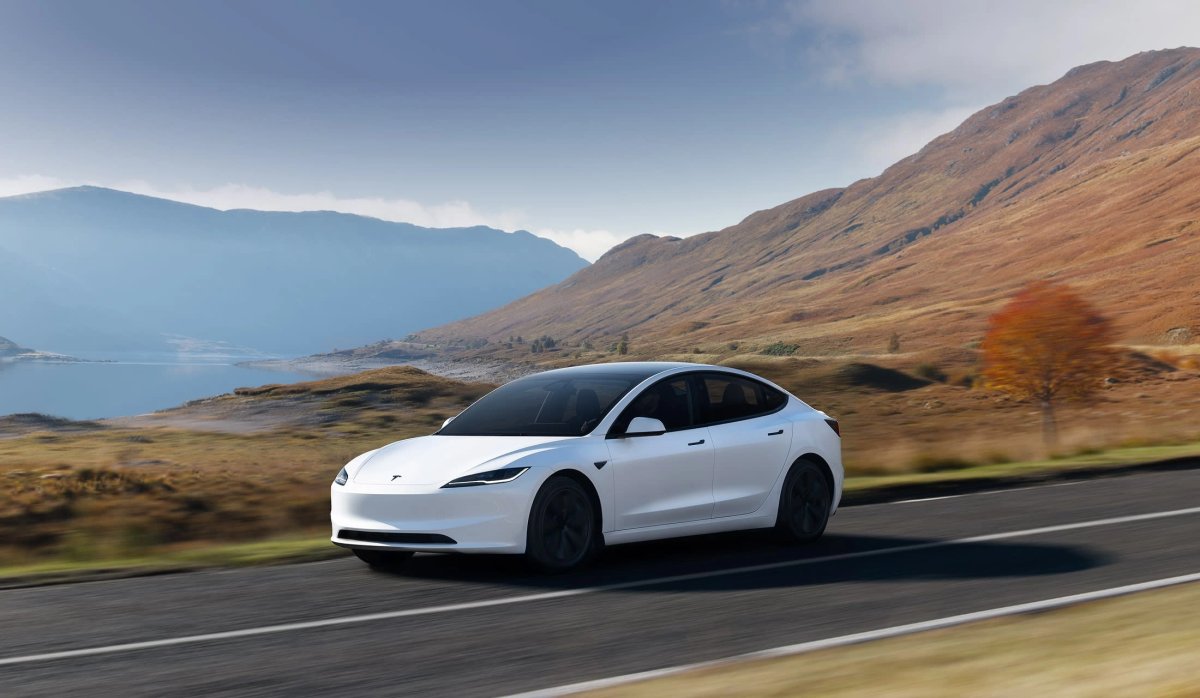
Tesla has managed to spark both excitement and confusion in the Canadian electric vehicle sector over the past few weeks. Earlier this month, the automaker introduced a brand-new entry-level variant to its catalog: the Gigafactory Shanghai-made Model 3 Premium Rear-Wheel Drive.
Priced at a highly aggressive $39,490 CAD (approximately $28,500 USD), the new configuration launched as a massive discount over the vehicle it replaced, effectively acting as the closest Tesla has ever come to a $25,000 USD car in North America. While Tesla Canada previously imported U.S.-built vehicles — a strategy that caused retail pricing to skyrocket due to shifting trade regulations and tariffs — the brand has transitioned to sourcing Canadian inventory from Gigafactory Shanghai to leverage a much more practical import structure.
However, the dramatic drop in price was accompanied by a chaotic game of musical chairs on the official online configurator. Over the course of less than three weeks, Tesla quietly updated multiple core specifications for the model without any warning, causing confusion among early reservation holders.
Tracking the Spec Revisions
When the model first appeared on Tesla Canada’s digital configurator on May 1, the specifications seemed almost too good to be true. The sedan was advertised with a surprisingly athletic 0–100 km/h (0-62 mph) acceleration time of 4.2 seconds, a peak Supercharging rate of 250 kW, and a robust 192,000 km battery and drive unit warranty.
The initial excitement lasted a mere 12 hours. Tesla swiftly altered the website’s configuration page, dropping the acceleration time down to 5.2 seconds, throttling the peak Supercharging speed to 175 kW, and clipping the mechanical warranty down to 160,000 km. At the time, early buyers assumed the sudden shift was simply an isolated data-entry correction to fix an accidental copy-and-paste website error.
The real surprise landed this week, when Tesla altered the performance metrics yet again. The vehicle’s 0–100 km/h acceleration time was dialed back by an additional full second, settling at a modest 6.2 seconds — marking a substantial two-second deficit from the original marketing material.
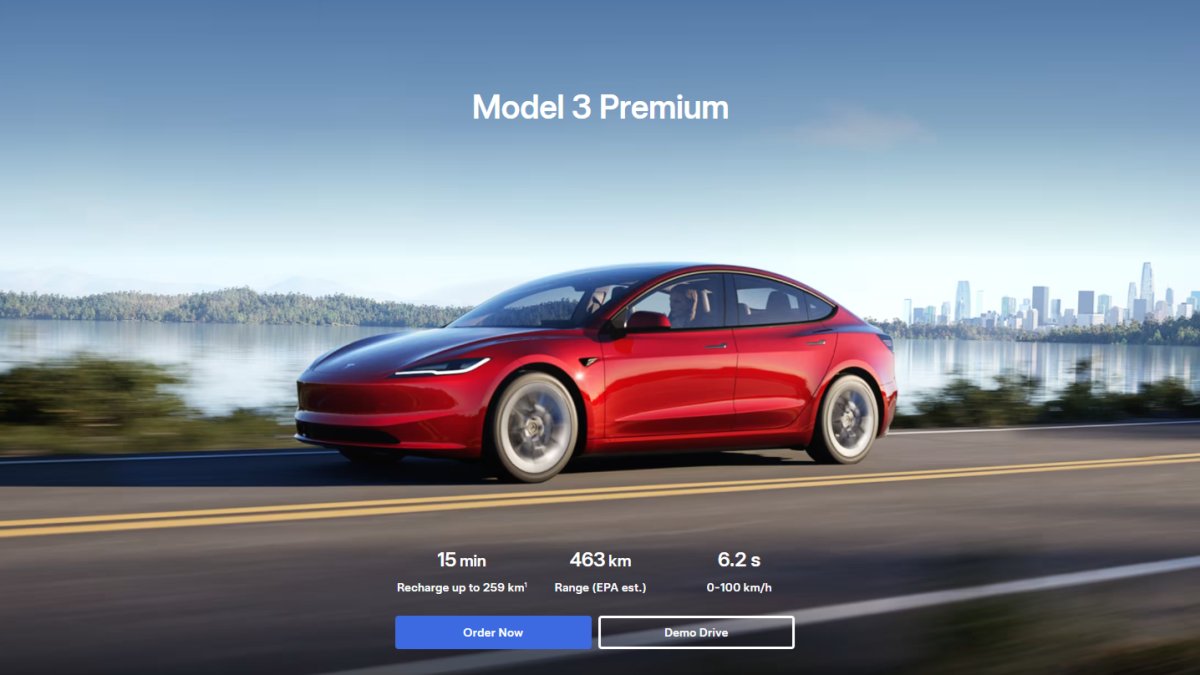
Not a Tesla App
The adjustments stem from the reality that the Shanghai-manufactured vehicle carries a different hardware setup than the California-made models previously sent to Canada. The imported configuration utilizes a less powerful 3D7 rear electric motor producing 194 kW (260 horsepower) and a heavier Lithium Iron Phosphate (LFP) battery pack, which naturally delivers slower acceleration and lower peak discharge rates than the 3D6 motor (220 kW, 295 hp) motor and Nickel Manganese Cobalt (NMC) packs assembled at Fremont.
Community Pushback and Goodwill Options
The lack of proactive communication from corporate channels led to immediate pushback on community forums, as reservation holders realized they had legally committed to a vehicle that was technically 48% slower out of the gate than advertised.
However, Tesla has begun responding to individual complaints on a case-by-case basis. According to one customer who shared their experience on Reddit, corporate representatives are actively making outreach phone calls to apologize for the disorganized launch sequence. While Tesla is not issuing direct cash reimbursements, they are extending unique promotional compensation bundles — including a free month of unlimited Supercharging and a multi-month trial of Full Self-Driving (Supervised) — to make up for all the inconsistency.
To clarify exactly how the baseline vehicle specs shifted during this multi-week rollout, here is the complete breakdown of the technical changes:
Specification
Advertised at Launch (May 1)
Mid-Month Adjustment
Current Certified Specification
0–100 km/h Acceleration
4.2 Seconds
5.2 Seconds
6.2 Seconds
Peak Supercharging Rate
250 kW
175 kW
175 kW
Battery & Drive Warranty
8 Years or 192,000 km
8 Years or 160,000 km
8 Years or 160,000 km
A Compelling High-Volume Value
While the fluctuating baseline specifications might be a tough pill to swallow for performance enthusiasts, the vehicle remains an exceptional deal on paper for the average daily commuter. The premium interior styling, integrated rear passenger display screen, and ventilated front seating options remain intact despite the slower electric motor configuration.
As Tesla prepares to kick off the first Model 3 Premium RWD deliveries early next month, the model is still positioned to pull legacy compact car buyers over to sustainable transit. It’s currently unclear if Tesla will reach out and offer compensation to everyone who placed an order before the specs were updated. If you recently locked in an active order during the initial web listing confusion, sending a brief note to Tesla’s customer support team at resolutions@tesla.com could net you some free software perks before taking delivery.