
Bacon gets the cancer warning. Spinach gets the nutrition label. Both are loaded with nitrates and nitrites, the same family of compounds linked to stomach cancer risk since the 1990s.
That contradiction has nagged at researchers for decades. A mathematical model from Canada traced the chemistry all the way through digestion and found that what matters isn’t the nitrate itself – it’s what rides alongside it.
Two foods, one molecule

The compounds in question are nitrates and nitrites. They turn up across the grocery store – in cured meats as preservatives, in leafy and root vegetables naturally, and sometimes in tap water through farm runoff.
In small amounts, nitrates do useful work. They support blood vessel function and play a part in nerve signaling. The chemistry only turns suspicious once they meet stomach acid.
Researchers have chased this link to cancer since the 1990s. A review of the evidence found contradictions throughout. Some populations eating heavy nitrate loads show higher cancer rates. Others show nothing at all.
Chemistry in the stomach
Inside the stomach, some nitrites undergo a reaction called nitrosation. It pairs them with proteins from food and produces a family of substances known as N-nitroso compounds. Several are suspected of causing cancer in the gut.
The chemistry has been documented for decades. What scientists could not pin down was why spinach looked harmless while bacon raised gastric cancer risk in the same lab measurements.
The compounds enter the body in similar amounts. They reach the same stomach. Something else must be making the difference.
A model of digestion
Dr. Gordon McNicol, post-doctoral researcher in applied mathematics at the University of Waterloo, led a team that tried a different approach. Instead of another diet survey, they built a computer model of the digestive tract.
The model covered four compartments – the salivary glands, stomach, small intestine, and bloodstream. It tracked nitrate and nitrite moving through each in real time, while accounting for meal timing, stomach acid, mouth bacteria, and vitamin C intake.
A model cannot replace a clinical trial. What it can do is something a trial cannot – cut through all the competing variables and isolate just one at a time.
Vitamin C and cancer compounds
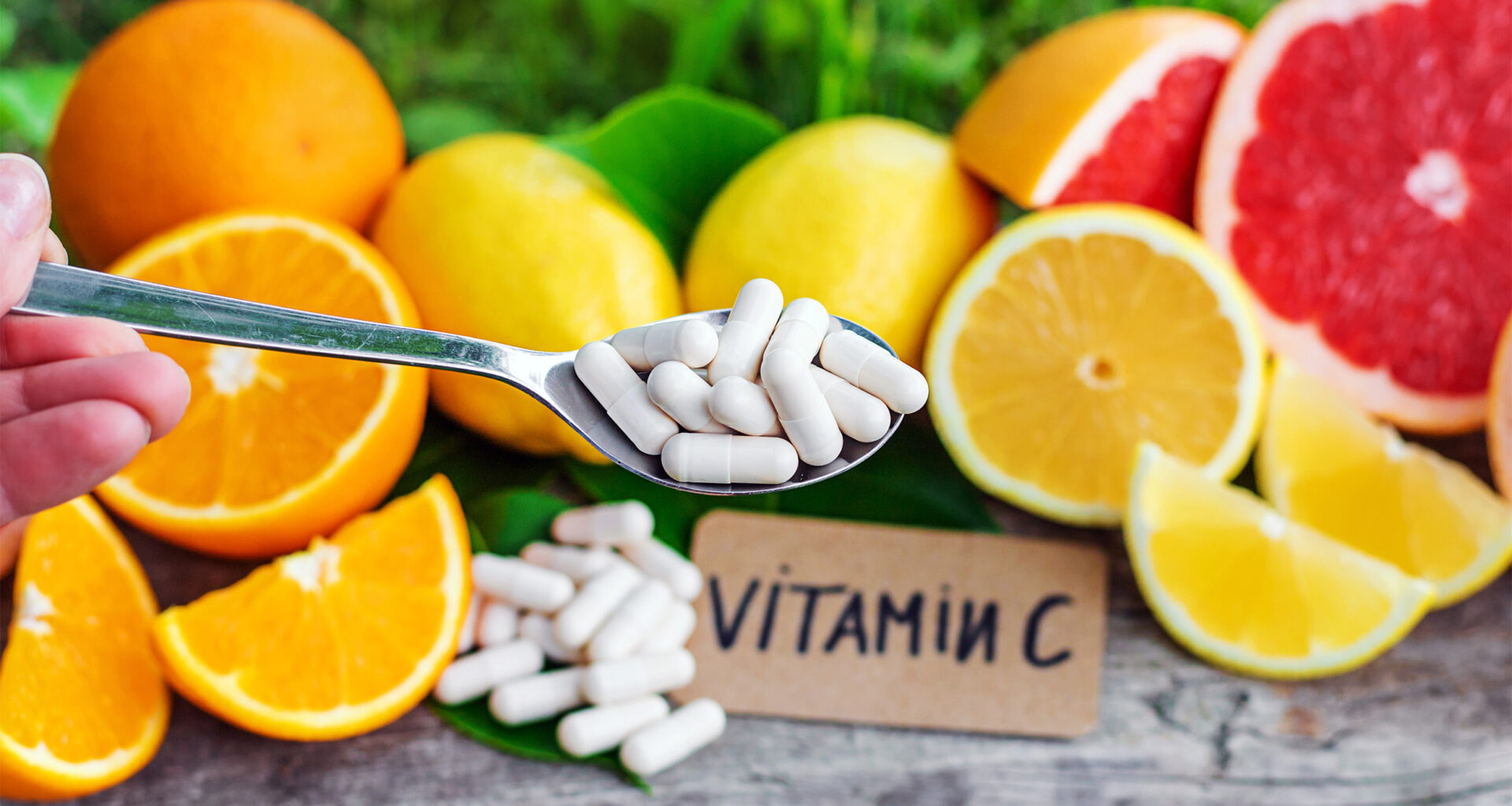
Vitamin C, the model showed, sits at the center of the puzzle. When it is present in the same meal as nitrate, it appears to interfere with the reaction before the dangerous compounds can form.
That explains a plate of leafy greens. Spinach carries a hefty dose of nitrate, but vitamin C is present in the same leaf.
According to the model, the two reach the stomach together – and the vitamin may block the reaction before it runs.
Other work on nitrate-rich produce has hinted at the same pattern without explaining it. Until this study, no one had drawn the equations that traced exactly how vitamin C blocks the chemistry inside a living digestive system.
Cured meats stand alone
The picture changes with cured meats. Bacon, salami, deli slices, hot dogs – the same nitrates and nitrites, and none of the protection. Nothing in the meat inhibits the reaction because there is no vitamin C to slow it down.
According to the model, the compounds reach the stomach unchecked and react with proteins in the meat to form the N-nitroso compounds researchers worry about.
Two foods can carry the same nitrate dose and behave like entirely different substances. Same molecule, different fate.
That finding also lines up with concerns about nitrate-contaminated water, which lacks any antioxidant pairing.
A separate study found an association between waterborne nitrate and gastric cancer risk – the new chemistry offers one possible explanation.
Vitamin C supplements and nitrates
The model went further. It tested what would happen if someone ended a nitrate-heavy meal – bacon and eggs, a deli sandwich – with a vitamin C supplement.
Results showed a moderate drop in the dangerous compounds forming downstream. Smaller than what happens when vitamin C is built into the food, but still measurable. Timing seems to count.
For people who eat cured meats regularly and would rather not give them up, the result hints at a practical adjustment. Have an orange with the bacon. Add tomato to the sandwich.
Cancer research with vitamin C
The Waterloo work is a simulation, not a clinical trial. Dr. Anita Layton, professor of applied mathematics and a Canada 150 Research Chair, said the next round of human studies now has sharper questions to ask.
“This model can help researchers design more targeted experiments and interventions, focusing on when and in whom nitrosation is most likely to occur,” said Layton. The chemistry suggests where to look first.
Until now, the argument over nitrate and cancer had no clear chemical explanation. This study offers one. The same compound looks harmful in bacon and harmless in spinach because vitamin C does different work in each meal.
For everyday eaters, the takeaway is simple. Leafy greens and citrus likely protect against the dangerous chemistry. Cured meats without vitamin C-rich accompaniments are more likely to do the opposite.
The study is published in the Journal of Theoretical Biology.
—–
Like what you read? Subscribe to our newsletter for engaging articles, exclusive content, and the latest updates.
Check us out on EarthSnap, a free app brought to you by Eric Ralls and Earth.com.
—–