
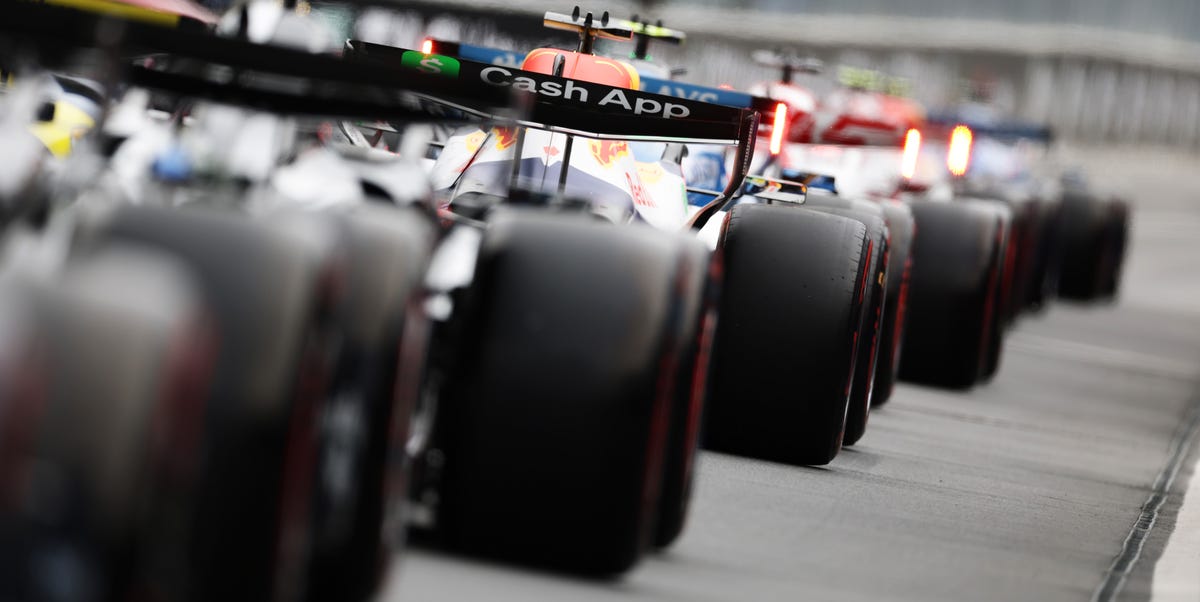
F1 Sprint is now in its sixth year of existence but there haven’t been many changes across the past few seasons—is it now time to rethink the format going forwards?
How could F1 evolve Sprint format?
Due to the enforced schedule tweaks, three of this year’s five grands prix have featured Sprint, meaning half of the Sprint races for 2026 have already been run at a relatively embryonic stage of the season.
The format has remained largely unchanged since 2023, when Sprint Qualifying was introduced, running a shorter version of the usual Q1/2/3 format used to determine the grid for the Sprint Race.
But is it time to evolve the format?
Whatever you may think, and you can consider this writer among the traditionalists, Sprint is here to stay. It is likely to be expanded to feature at as many as 10 grands prix in 2027—and Formula 1 has reported encouraging feedback from the fans it has polled.
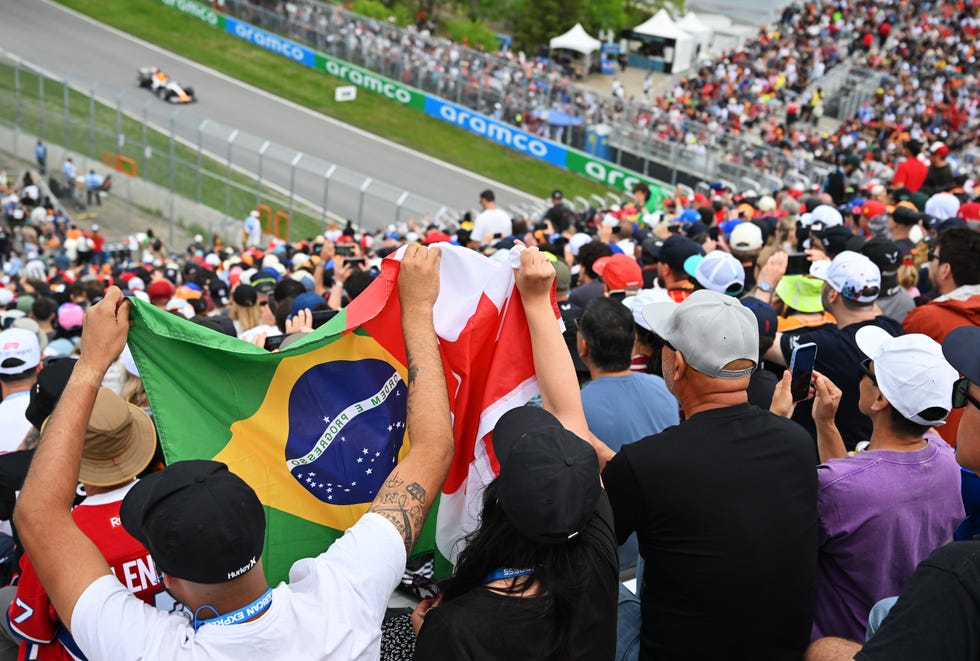
Per data provided from Formula 1, 82 percent of fans agree that Sprint adds value to the weekend’s package, and 61 percent considered Sprint when deciding when to attend an event. TV audiences and social media interactions are also up versus a conventional grand prix weekend, whereby Sprint Qualifying and the Sprint Race in effect replaces FP2 and FP3 on the schedule.
Minas Panagiotakis//Getty Images
That has a positive knock-on impact on Formula 1’s revenues, which trickles down to teams, so naturally there is a vested interest in Sprint’s success and expansion.
Drivers are also largely enthusiastic about more of the weekend’s sessions being meaningful, so what could be introduced?
Partial reverse grid
This would have to be undertaken in a way that found the right balance between gimmicky and retaining sporting integrity. Formula 2, Formula 3 and F1 Academy all have shorter races that feature partial reverse grids, with the top 10 (or 12) qualifiers reversed, and the positions thereafter starting where they qualified.
Formula 1 is keen for Sprint races to be separate from the grand prix itself, so using main Qualifying would likely be out of the question—and if there was a separate session to determine a reverse grid Sprint then the system could easily be gamed and risk turning into farce.
Reversing the top 10 in the Drivers’ championship could therefore be a solution—so long as a sufficient number of grands prix (at least five) have passed to shake out any early anomalies in the competitive order.
One shot top 10 qualifying
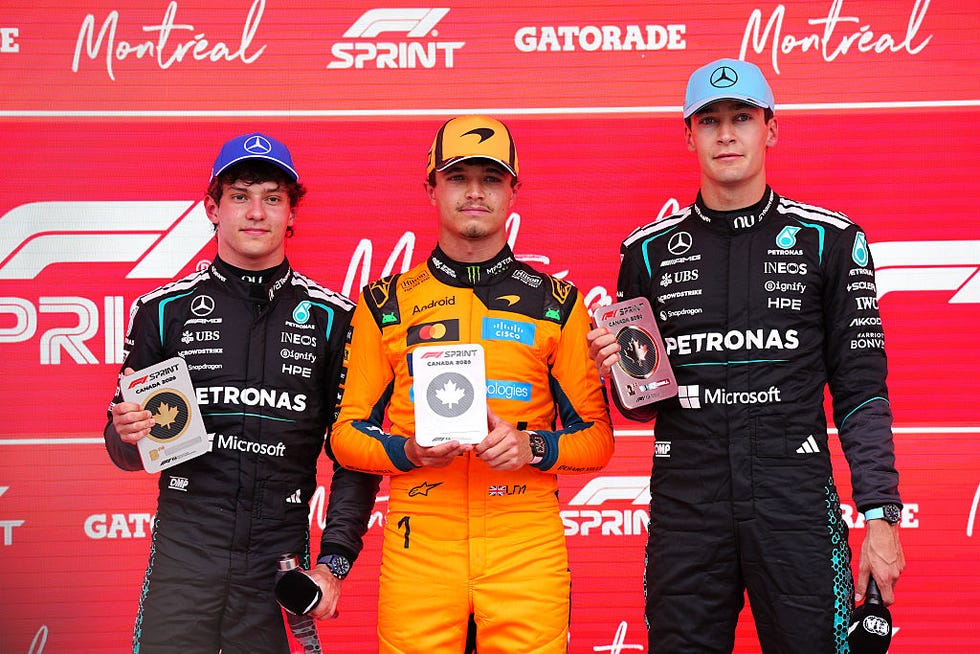
One of the problems of current qualifying from a TV audience perspective is the inability to track more than a couple of drivers, especially at the end of Q3, a scenario which is more pronounced due to there being time for only one lap in SQ3.
Bradley Collyer – PA Images//Getty Images
Formula 1 briefly trialled one-shot qualifying from 2003-2005, and it had its moments and pitfalls, with track evolution and the risk of some drivers being impacted in the case of changeable weather.
But re-introducing it on occasion for Sprint could liven up the format while getting a chance to see every front-runner gunning for it: perhaps a 10-minute ‘Q1’ session for all drivers and the top eight from that session going again in reverse order one-by-one.
That would also differentiate it from the existing elimination format.
Slightly longer races?
Sprint Races are, by their very nature, intended to be short and snappy—they are 100 km/62 miles long (or to the next nearest lap), so are around one-third of a grand prix length.
Adding a couple more laps, or mandating the use of the softest tire compound, could add a little bit more strategy in terms of preserving the rubber.
That may save some Sprints from becoming overly processional, particularly in the closing stages.
Adding a few more points
Sprint races have to be seen as meaningful, without detracting from the main grand prix, so upping the points on offer would provide greater incentive.
NurPhoto//Getty Images
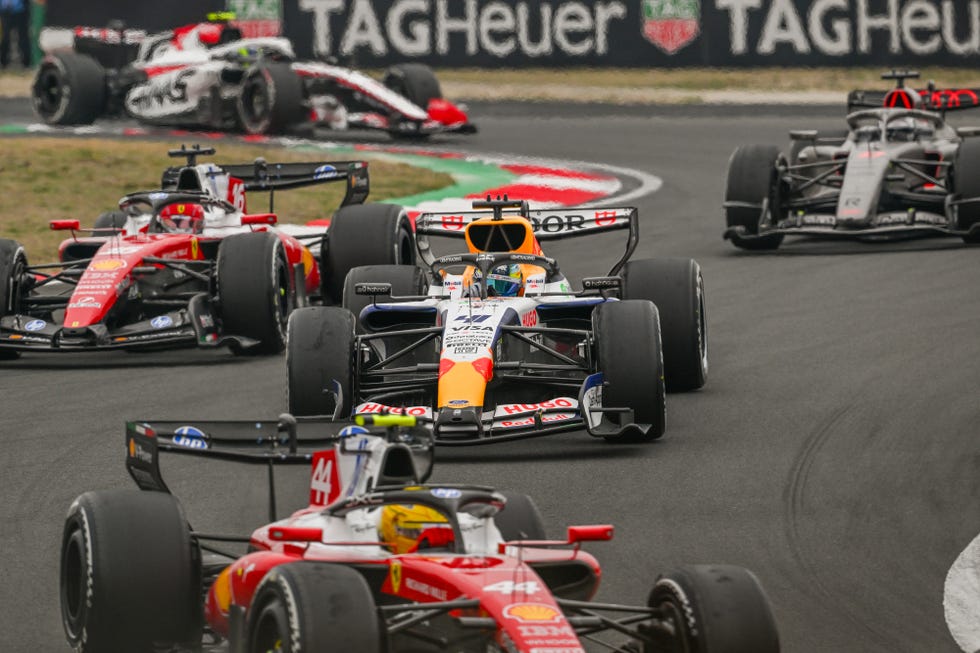
Currently, the top eight get points, and for those further down the field there can be little incentive to even consider getting in those positions, meaning the Sprint Race sometimes becomes an extended practice session.
That was best seen in Canada, where four drivers chose to start from the pit lane to trial different set-ups.
Extending the points to the top 10 at least gives a couple more drivers a reward—particularly given the grid has been expanded to 22 cars amid Cadillac’s arrival this year.

U.K.-based Phillip Horton started covering Grands Prix while still at university and swiftly deemed that writing about Formula 1 and the behind-the-scenes machinations was much more engaging than reading centuries-old novels. Degree gained, he went on to cover the sport full-time from 2014 and is as intrigued and excited by the destinations Formula 1 visits during its lengthy annual world tour as the racing itself. Phillip joined Autoweek in 2021 and while he has just about learned to spell in American English he has yet to find anywhere in America that makes a proper cup of tea.