
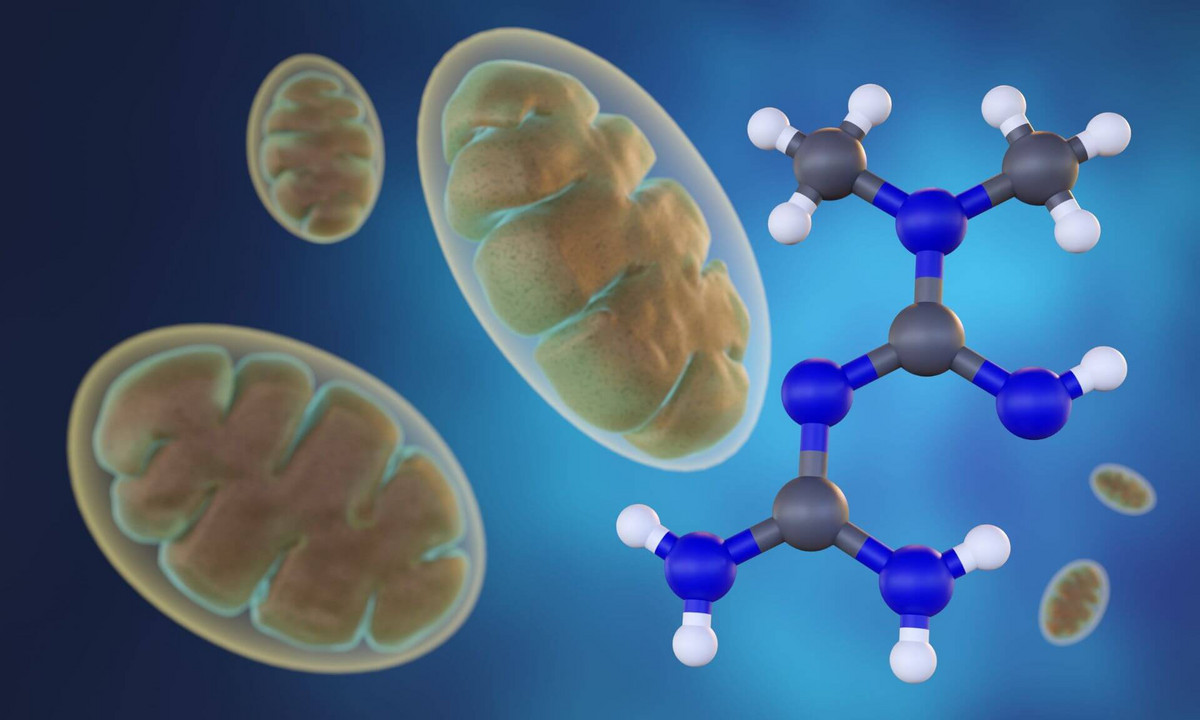
Metformin has been used for decades to treat type-2 diabetes. Epidemiological studies have also suggested that it may reduce cancer risk, and animal studies have linked it to increased lifespan. Yet until now, scientists didn’t know how this remarkable medication actually works.
In their study, Ferbeyre and his UdeM colleagues, chemistry professor Andreea Schmitzer and pharmacy professor Simon-Pierre Gravel (also principal Investigator at UdeM’s Institute for Research in Immunology and Cancer), identify ATP5I as a new direct target of metformin.
ATP5I is part of the F1Fo-ATP synthase, the essential mitochondrial enzyme responsible for producing ATP, the cell’s main energy currency. ATP5I does not drive the catalytic activity of ATP synthase itself, but appears to contribute to the enzyme’s assembly and organization.
That hypothesis was put to the test by the UdeM team led by doctoral student Guillaume Lefrançois, the study’s first author.
In a series of experiments, they generated cell models that lacked ATP5I and found that these cells became resistant to metformin. But when ATP5I was restored, sensitivity to the drug returned.
This discovery opens a new window into how metformin may influence energy metabolism, cancer biology, aging, and diabetes, the scientists say.