
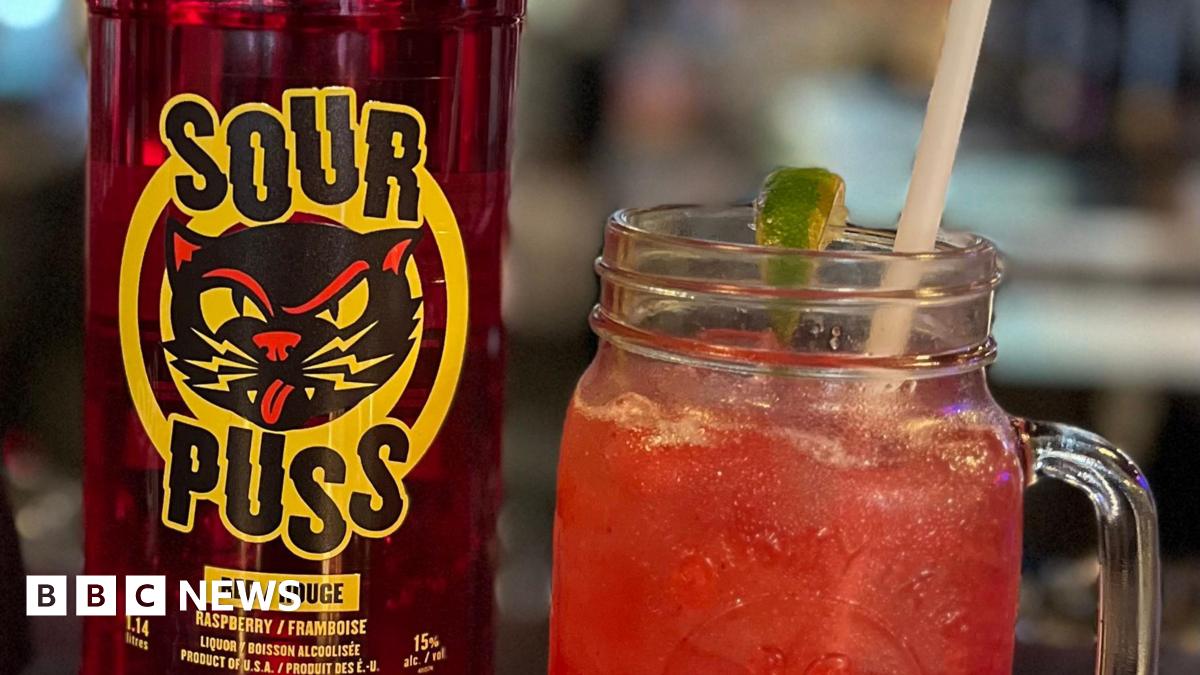
Both England and Meredith Lilly, a professor of international economic policy at Carleton University in Ottawa, noted that it is easier for Phillips Distilling to shift production north than other companies whose products are tied to a certain geographic area, like Kentucky bourbon or California wine.
Lilly added that, because a big chunk of their business is Canadian, they risk “no reputational penalty in the US” for deciding to move their production.
The decision to pull American liquor off the shelves by some premiers was “a heat of the moment” response, she said, that in this case brought an accidental positive – bringing more production to Canada.
“I don’t think it was envisioned that (the boycott) would be in place as long as it has been,” Lilly said.
But whether the boycott will help Canada at the negotiating table is unclear.
US commerce secretary Howard Lutnick called it “outrageous”, “insulting” and “disrespectful”.
Lilly also cautioned that the decision to return US alcohol back on the shelves ultimately rests with the provinces, not the Carney government, making it an unpredictable bargaining chip.
Canada’s federal government has retaliated against US liquor in the past during Trump’s first term, when former Prime Minister Justin Trudeau imposed tariffs on Kentucky bourbon as a way to put pressure on Republican states after Trump slapped levies on Canadian steel.
Those tariffs were lifted less than a year later after both countries reached a deal.
This time, however, the tariff dispute between Canada and the US has endured, with the two sides appearing no closer to reaching a deal. For England, what happens next may not matter much, he said, as the last year has forced his company to rethink the way it does business, likely for the long term.