
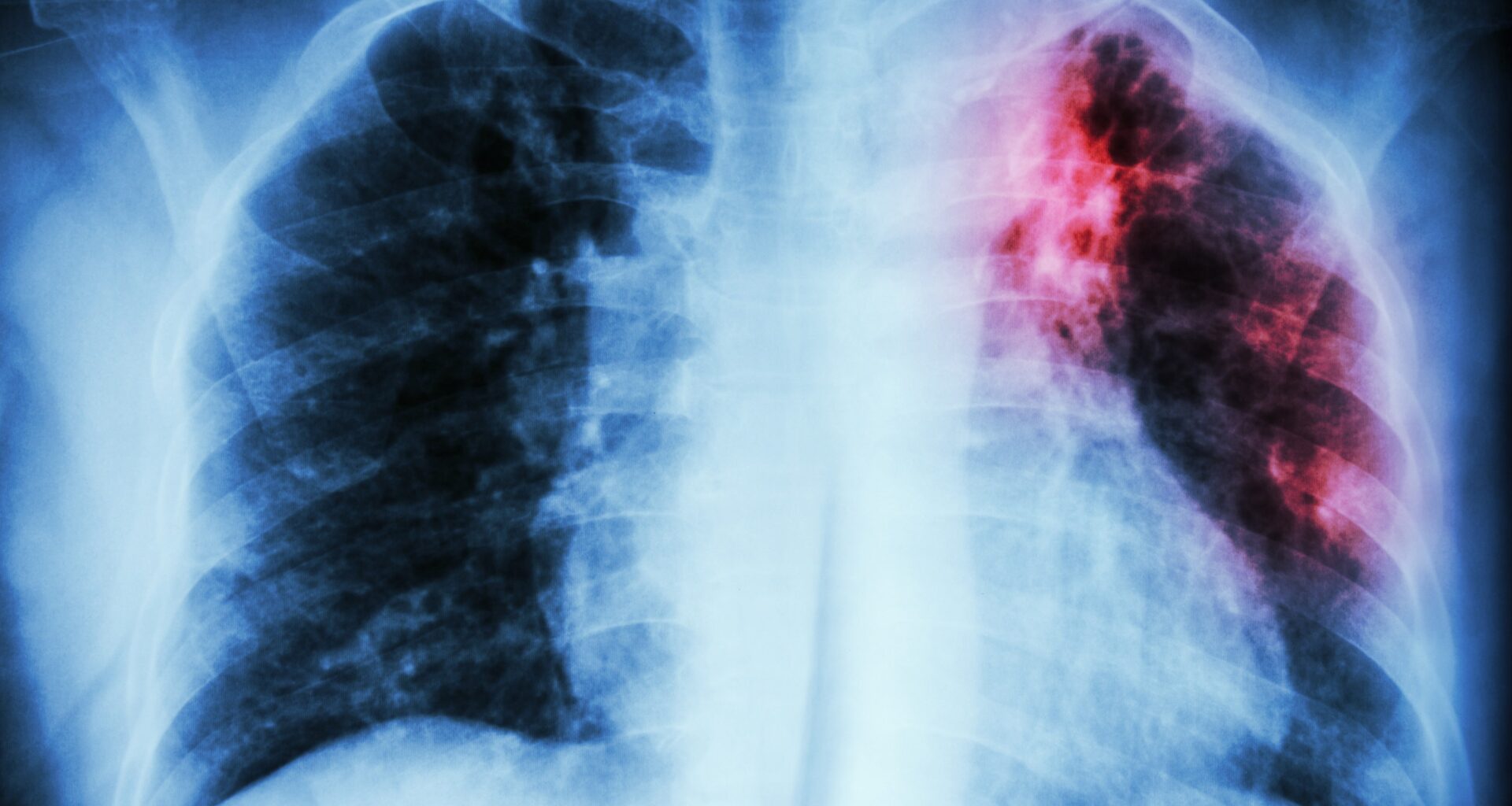
Faced with a surge in tuberculosis infections among newly-arrived immigrants in the past two years, Montreal’s public health department has deployed a team of health workers to screen and treat patients with the disease to prevent active community transmission of TB.
Authorities have detected 207 cases of TB in Montreal last year, up from 203 the year before. The incidence in new TB cases was 9.4 infections per 100,000 population in 2025, compared with a low of 4.9 in 2014.
“So 2024 was really the year where we saw a big increase in cases and the trend has sort of maintained itself,” said Dr. Julia Heron, co-author of a report on infectious diseases made public this week by the public health department.
“There’s some small amount of community transmission that can occur, for instance, in the outbreak that we saw in a prison setting or in correctional facilities, but we have a very minimal amount of active transmission on (Montreal) island, and most of the cases that are coming (here) are being acquired elsewhere.”
In contrast, TB outbreaks are persisting in the far north of Quebec in the Inuit villages of Kangiqsualujjuaq, Salluit, Akulivik, Kuujjuarapik and Kangiqsujuaq. The Nunavik region reported 116 cases by the end of 2025, and at least 40 new cases to date this year.
TB is transmitted through the air when a person with active disease of the lungs or throat coughs, sneezes, speaks, sings or laughs. Airborne droplets can linger in the air for several hours, and transmission occurs when another person inhales those droplets carrying the bacteria, according to the Centers for Disease Control and Prevention in the United States.
TB is treatable with medications, but can cause permanent lung damage and even death if untreated.
The Montreal public health team is focusing on what is known as case management, ensuring that everyone who is infected with TB in the city completes their treatment. Public health workers identify all contacts of an infected person and screen them. The tests can detect latent TB, which does not show symptoms but which can flare up at a later date.
People with latent TB are treated with antibiotics to kill off the bacteria to prevent the disease from becoming active and infectious.
Many of the new cases have arisen from immigrants coming from Africa and Asia. A similar trend has also been observed in Toronto, which this year recorded more than 300 cases of active TB.
Resurgence in HIV also a problem
Authorities are also closely monitoring an increase in sexually transmitted infections (STIs). The report found that the incidence of gonorrhea has jumped by 82 per cent in the past 10 years, with the overwhelming majority of infections occurring in men.
The number of HIV infections in Montreal rose to a 20-year high in 2023 with 728 diagnoses and declined to 675 in 2024, still historically elevated.
On a positive note, the number of cases of mpox dropped from a high of 401 in 2022 to 20 last year, reflecting the success of widespread vaccination.
Meanwhile, measles remains a potential problem, with authorities recording five cases in Montreal out of a total of 38 for the whole province and among more than 5,300 in all of Canada.
“The international trend in outbreaks going on in different parts of the world make us more vulnerable to people who travel and who come back and are infectious, and that’s often how measles is introduced” in Montreal, explained Dr. Geneviéve Bergeron, a co-author of the report.
She added that every new case of measles detected requires extensive public health interventions, including contact tracing, vaccination and treatment with immunoglobulins.
Editor’s Picks