

A pharmacist has explained that some people may need to be especially cautious in the hot weather
A pharmacist shared a warning for the public (stock photo)(Image: Getty)
A pharmacist has issued a crucial warning to people on medications that may interfere with their body’s ability to regulate temperature. The recent sweltering conditions could pose serious risks to certain people, the health expert said, due to the potential for overheating.
The alert came this week as temperatures hit record levels, peaking at 35.1°C at Kew Gardens in Greater London. While some regions are expected to see rainfall over the weekend, the Met Office is predicting further “sunny and very warm” conditions in the days ahead.
Ashley Ó Dubháin, a pharmacist, healthcare commentator, and digital creator from Ireland, has urged everyone on antidepressants to “stay safe” during the summer warmth. Posting on TikTok as @Ashthepharmacist, he said: “This is a public service announcement for anybody who’s taking antidepressants, any sort of antidepressants in this heat.
“Even here in Ireland, not just if you’re going away on holidays, you may run the risk of overheating because of how the medication works.” Ashley explained: “So look, if you’re taking an SSRI and an SNRI, you’re taking a monoamine oxidase inhibitor, if you’re taking a tricyclic like amitriptyline, all of these things can impair how your body perceives heat, but also how it manages being hot because it can impair your hypothalamus, which is basically your body’s thermostat.
“And also some medications, like the older ones, the tricyclic antidepressants, for example, like amitriptyline, have anticholinergic side effects, is what we call it. So it can impair your ability to sweat, which is obviously, as humans, how we lose heat, how we regulate our body temperatures.”
Content cannot be displayed without consent
Selective serotonin reuptake inhibitors (SSRIs) are the most widely prescribed type of antidepressant in the UK. The NHS currently approves and prescribes several SSRI medications to treat depression, anxiety disorders, and other mental health conditions. The main SSRI medications prescribed in the UK include:
Citalopram (Cipramil)Escitalopram (Cipralex)Fluoxetine (Prozac or Oxactin) – often the only SSRI prescribed for under-18sFluvoxamine (Faverin)Paroxetine (Seroxat)Sertraline (Lustral)Vortioxetine (Brintellix) – typically used when other treatments have limited successDapoxetine (Priligy) – primarily used to treat premature ejaculation rather than depression or anxiety
While Ashley stresses that his videos are intended purely for educational purposes, and anyone requiring medical assistance should consult their GP, he did offer some general guidance, reports the Mirror. “So what I would tell people to do is just to take the generic advice, particularly in the hot days, is to avoid being out at the hottest times during the day. So that’s between like 11 to 3 or 4pm,” he explained.
The pharmacist added: “Make sure you’re staying really, really well hydrated. Because getting dehydrated, particularly if you’re taking an SSRI or an SNRI is a risk factor for developing serotonin syndrome, which is a very rare but I will say a very serious side effect of taking this classification of medications.
“So staying really well hydrated, avoiding the heat in the middle of the day, wearing long, loose- fitting clothing, and taking cold showers whenever you need it.” His caption added: “Stay safe out there guys.”
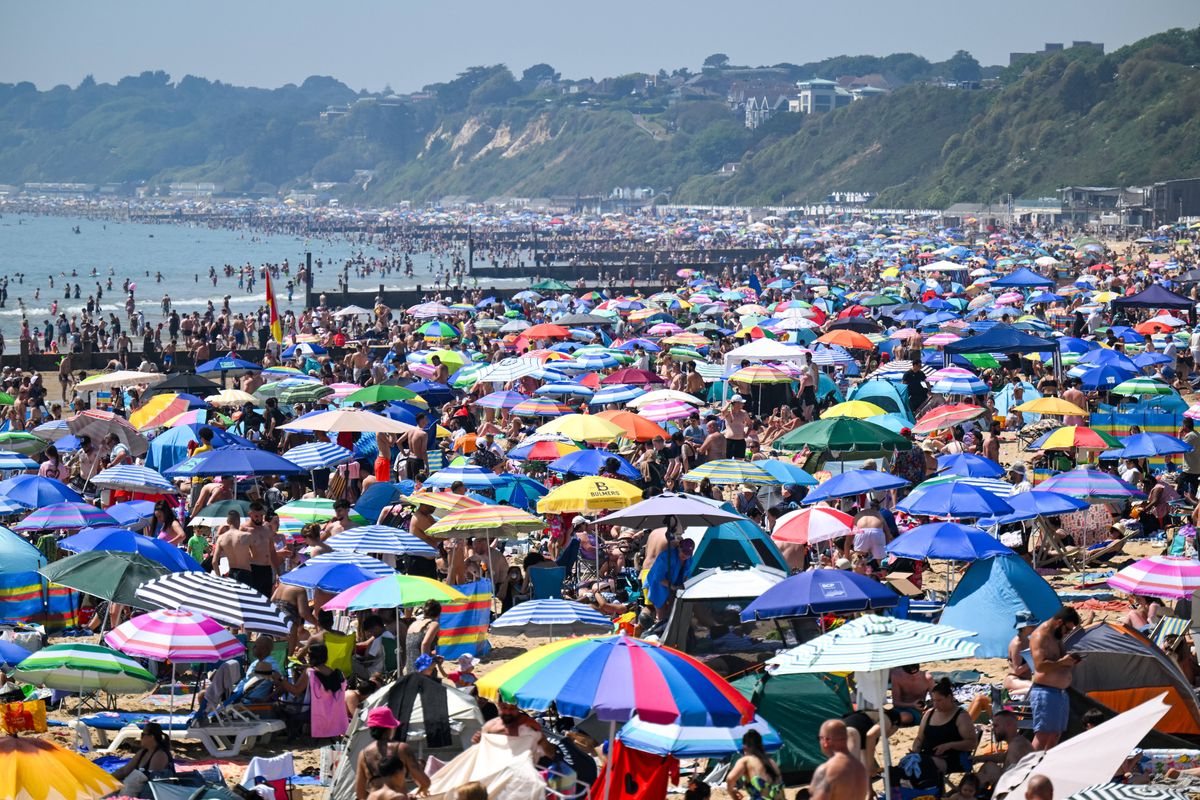
The scorching temperatures could pose a health risk (stock photo)(Image: Getty)
According to the UK Health Security Agency: “Medications commonly taken for chronic conditions, such as diuretics, beta-blockers, or drugs used to treat mental health issues (like antipsychotics and common antidepressants like SSRIs), can also alter the body’s ability to cool itself or keep fluids, making people even more susceptible to complications.
“It is important to understand how your medication affects your body’s response to heat and reread any instructions or speak to your doctor or pharmacist if you have any concerns.”
The NHS says: “Heat exhaustion does not usually need emergency medical help if you can cool down within 30 minutes. If it turns into heatstroke, it needs to be treated as an emergency.” Symptoms of heatstroke include a very high temperature, a fast heartbeat, and loss of consciousness.
Call 999 if someone shows signs of heatstroke. If someone does lose consciousness, put them in the recovery position while you wait for help to arrive.