
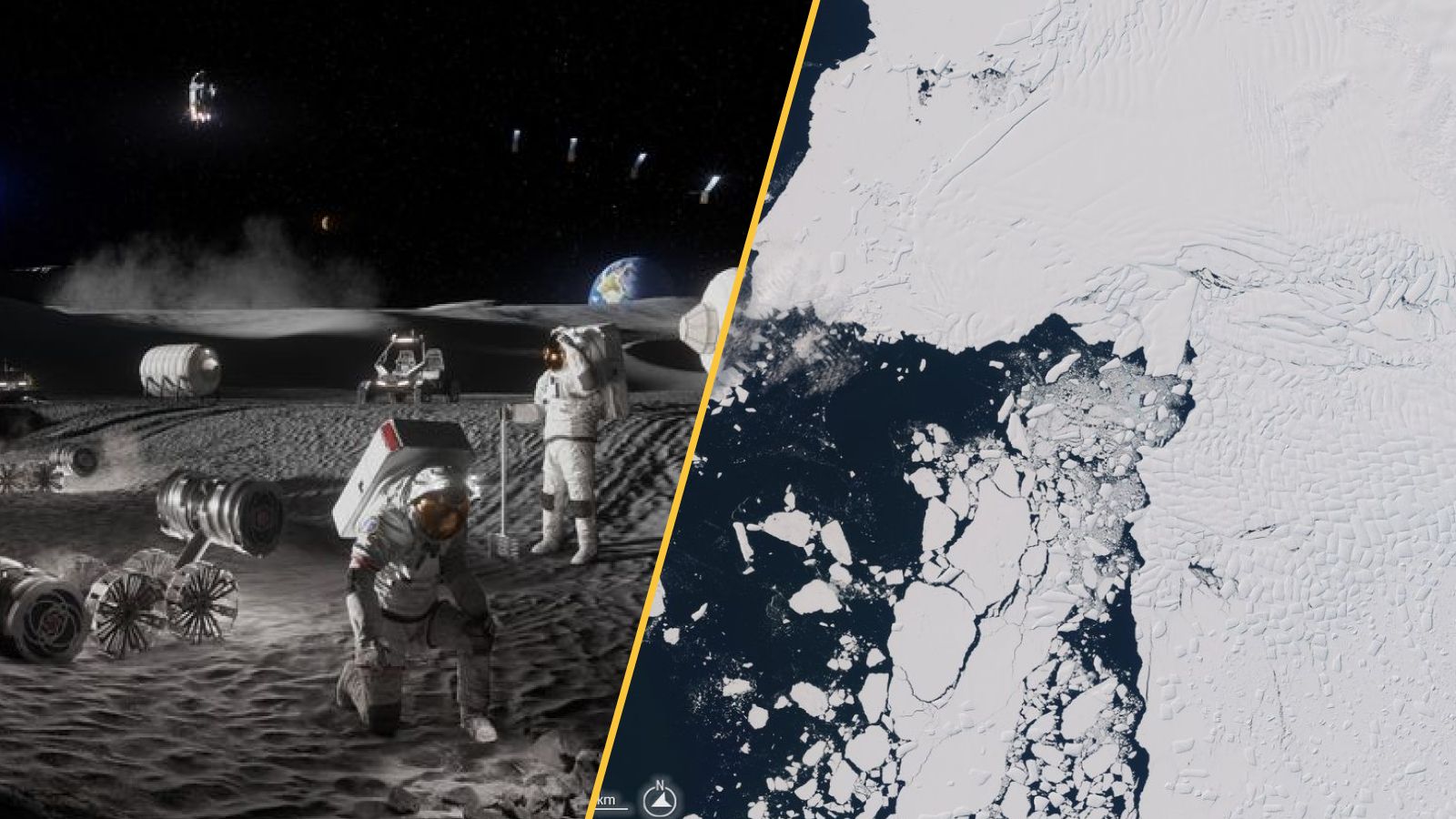
Space dominated this week’s science news, with NASA announcing its imminent next steps in plans to develop a permanent moon base being slightly overshadowed by the spectacular explosion of a rocket intended to carry its payloads.
Three uncrewed missions targeted for later this year will involve private companies carrying payloads to the lunar surface ahead of astronauts’ return by 2028. Nonetheless, some experts have voiced skepticism about NASA‘s highly ambitious timeline, with the gigantic detonation of Blue Origin’s New Glenn rocket during a static “hotfire” test likely prompting significant delays.
Hybrid quantum computer AI can solve questions base models can’t

IBM researchers found that AI trained with a quantum computer showed significant enhancement.
(Image credit: fotograzia via Getty Images)
Life’s Little Mysteries

Jet lag is a mismatch between our internal body clock and our time zone.
(Image credit: AFP via Getty Images)
“Doomsday Glacier” will lose ice shelf
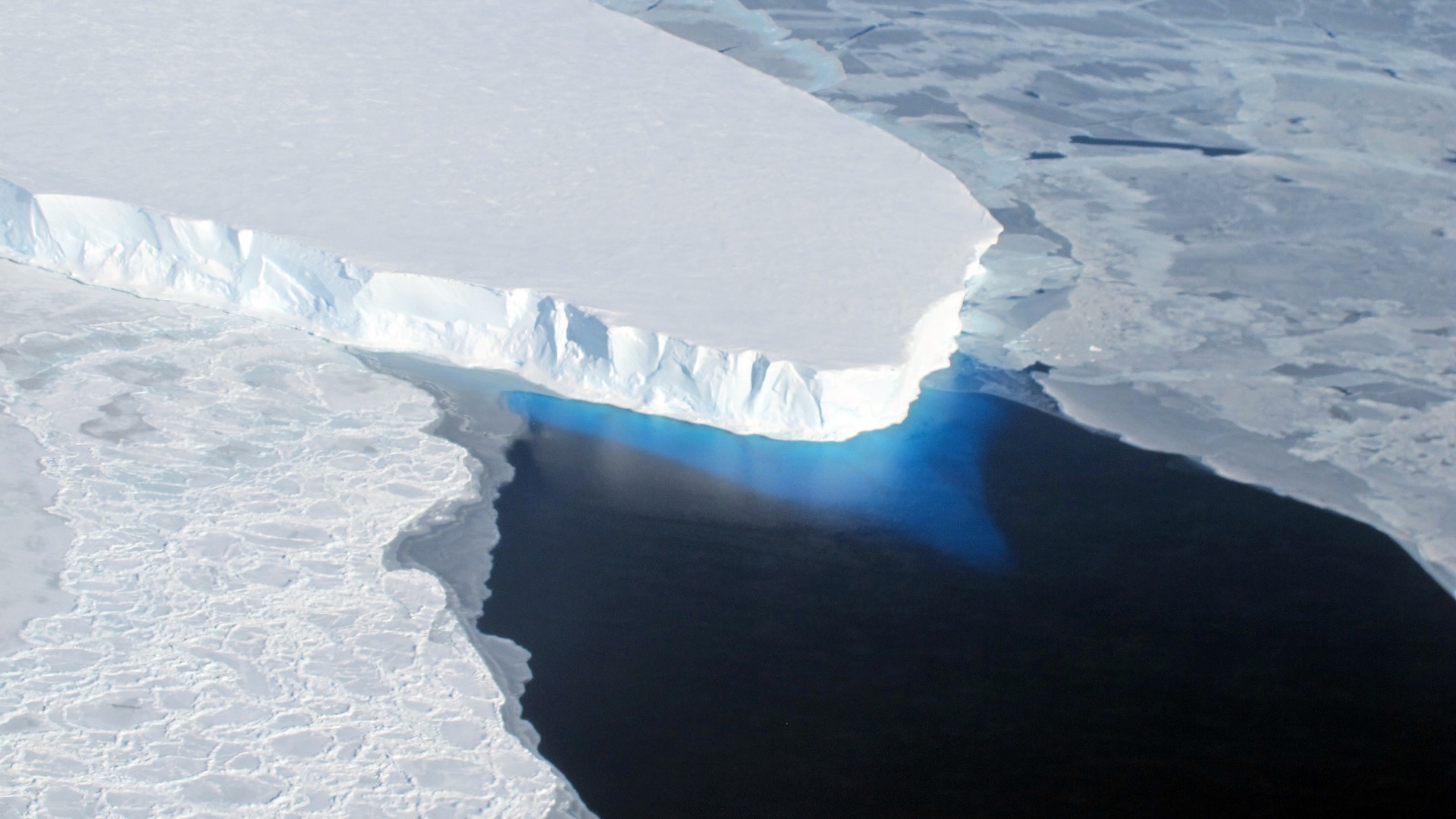
Thwaites Glacier has been melting rapidly since the 1980s.
(Image credit: NASA)
Also in science news this week
Science Spotlight

War is deepening a water crisis in Iran that has depleted the country’s surface water, as well as its groundwater resources.
(Image credit: Roshanak Rouzbehani)
Something for the weekend
Science news in pictures
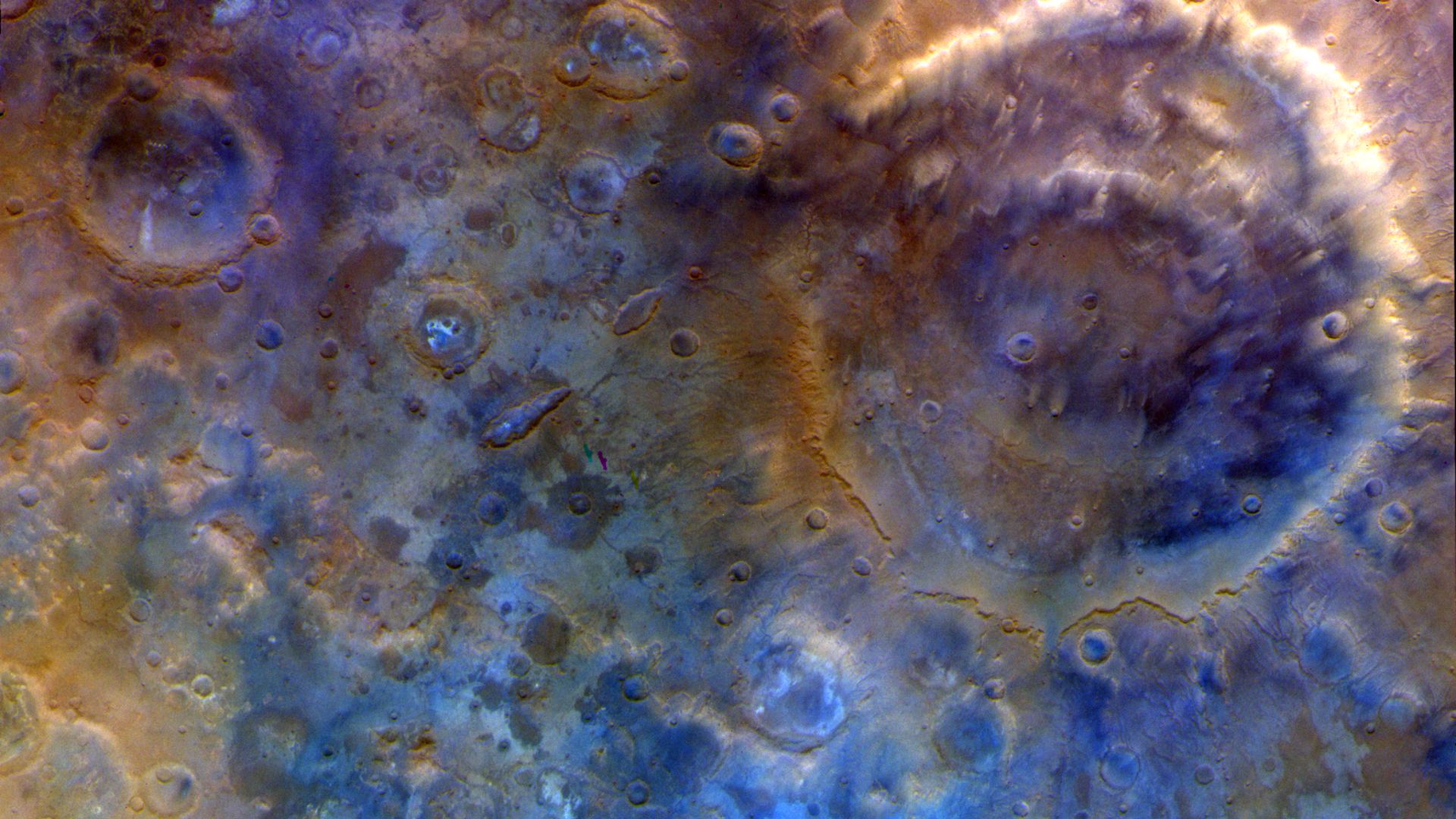
This stunning photo of the Whirlpool Galaxy could reveal clues to how stars form.
(Image credit: NASA/JPL-Caltech/ASU)
Follow Live Science on social media
TOPICS