

Listen to this article
Estimated 4 minutes
The audio version of this article is generated by AI-based technology. Mispronunciations can occur. We are working with our partners to continually review and improve the results.
You might recognize it from viral social media posts. Or from the menu at Starbucks. Or even from your favourite local ice cream shop.
Ube (pronounced oo-beh) is the latest food craze. It’s a purple yam native to the Philippines, now known globally for its sweet, nutty flavour. And, of course, its rich purple hue.
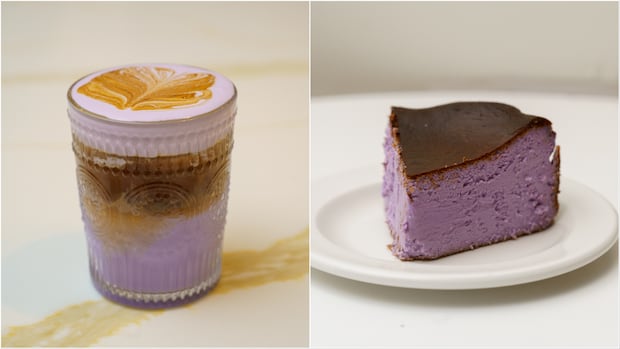
On a busy stretch of 17th Avenue S.W. in Calgary, MIK (or Made in Korea) Coffee and Shop recently hopped on the trend. It’s been offering ube products — from lattes to cheesecake — for the past month.
Marketing manager Paul Oh says their ube menu is more popular than he anticipated.
“I think a lot of new customers are coming to MIK because of ube,” said Oh.
“We weren’t sure if we should just do it for, like, one month or two months, but we launched ube and the demand was really, really high. So I think we’ll keep this menu for as long as we can.”
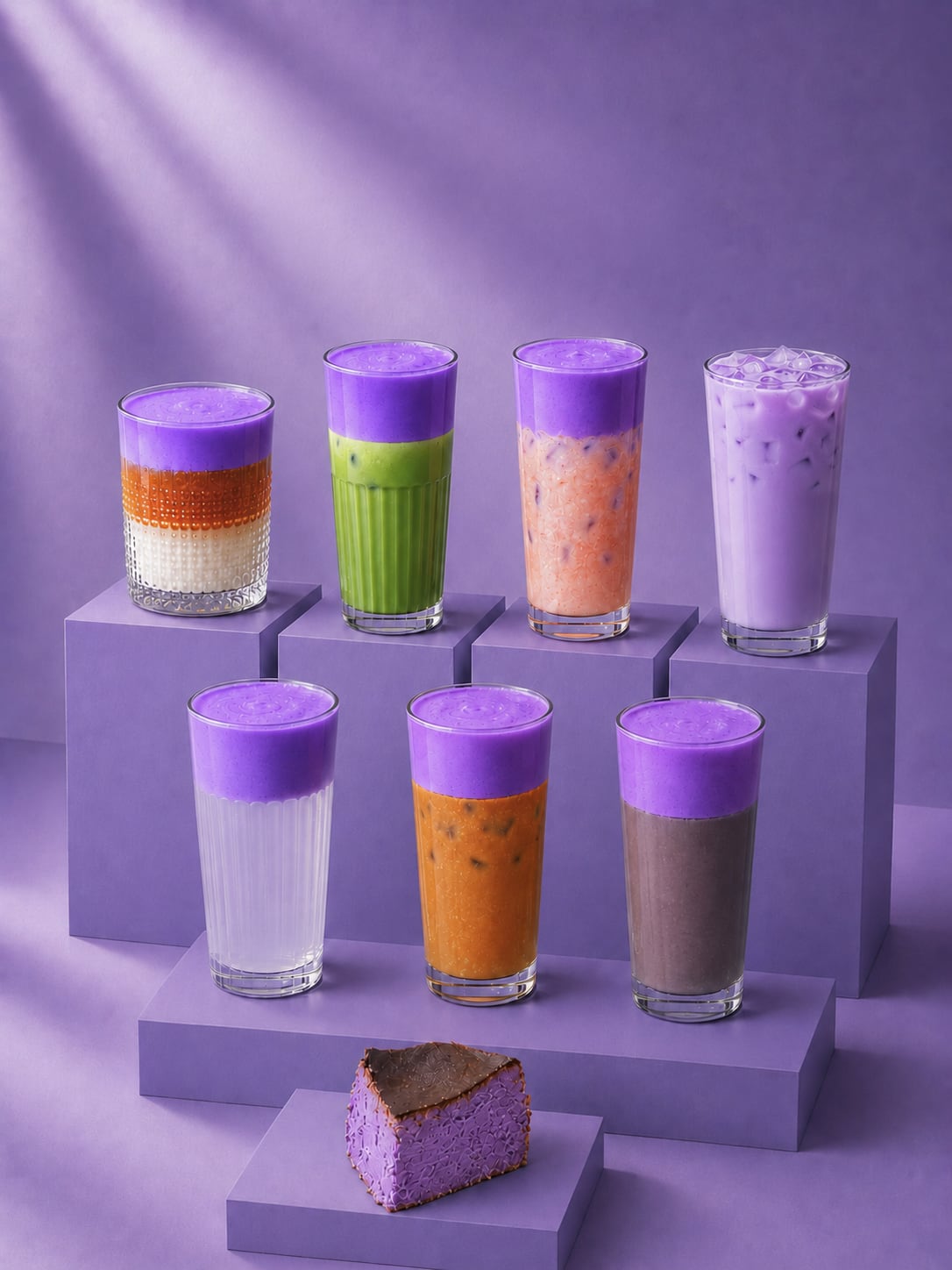 The different ube products offered at MIK Coffee and Shop. (Submitted by Paul Oh)
It’s gotten so popular that Calgary is getting its first Ube Fest on June 13, the day after Philippine Independence Day.
The Calgarian behind the festival said in addition to eating lots of ube, she hopes it’s an opportunity to educate people about the origin and cultural significance of the purple yam.
Ube Fest
Organizer Maria Berena said she feels a sense of pride that more people know about the tuber she’s been eating her whole life.
“We’re celebrating that it’s becoming popular, becoming known, but I think it’s important to realize that we should also ask for recognition because it’s been in our family, it’s been in our culture for decades,” said Berena.
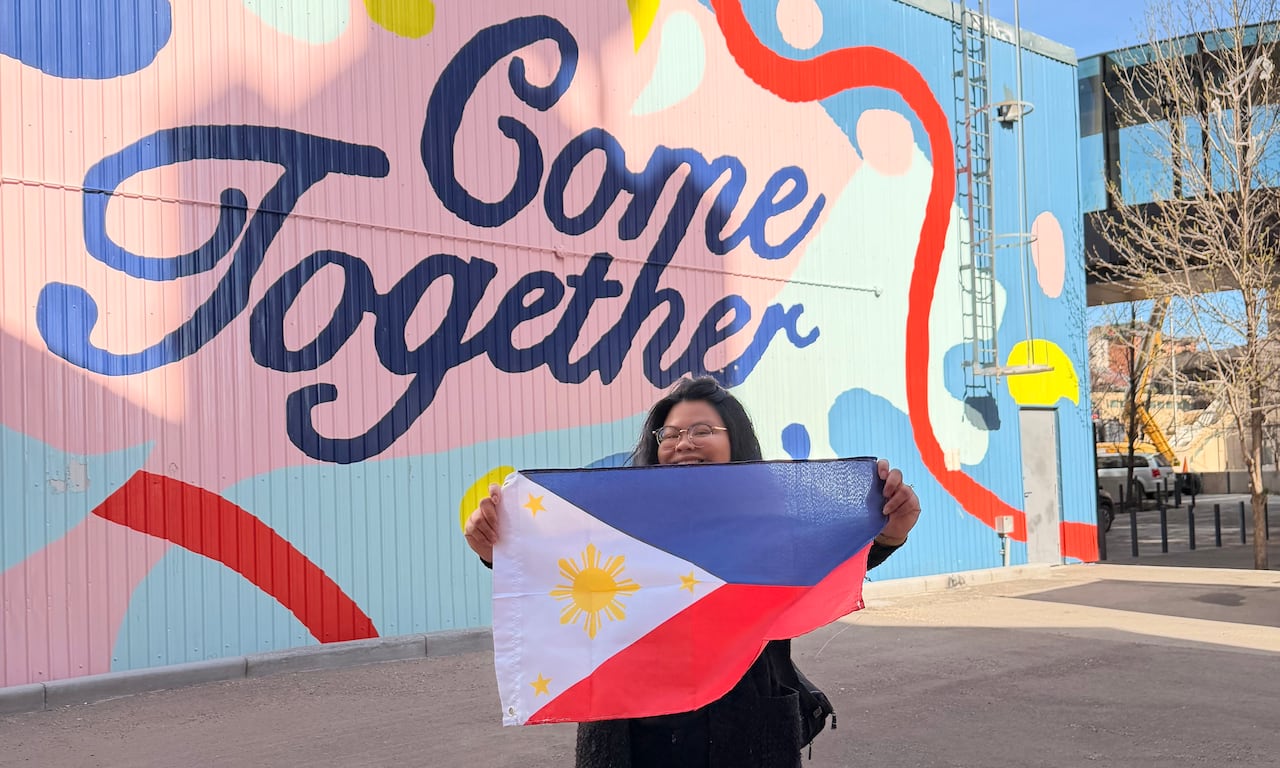 Maria Berena is the founder of the grassroots organization Barkada YYC and the organizer of the upcoming Ube Fest. She’s pictured outside of Historic Fire Hall No. 1, where the event will be taking place. (Submitted by Maria Berena)
“You are enjoying something and I want you to know where it’s from, just like how everybody’s enjoying matcha and everybody 1780274513 knows where matcha is from.”
She said ube isn’t just an ingredient; it’s deeply ingrained in Filipino culture. Even in Canada, many Filipinos eat it growing up, and it’s often found in desserts at celebrations and family gatherings.
It’s also been a symbol of resilience and survival for Filipinos for centuries, she said.
‘Sacred product’
“Ube is a sacred product for some Filipinos,” said Richard Quiambao, co-owner of Amihan Grill and Bakeshop.
Amihan is one of the more than 30 vendors that will be at Ube Fest.
Quiambao said before it became a trending veggie, the purple yam once helped Indigenous tribes in the Philippines survive famine.
“It’s a root product where it can retain the quality and be a source of food for a long time. It doesn’t rot or go bad very easily,” Quiambao explained.
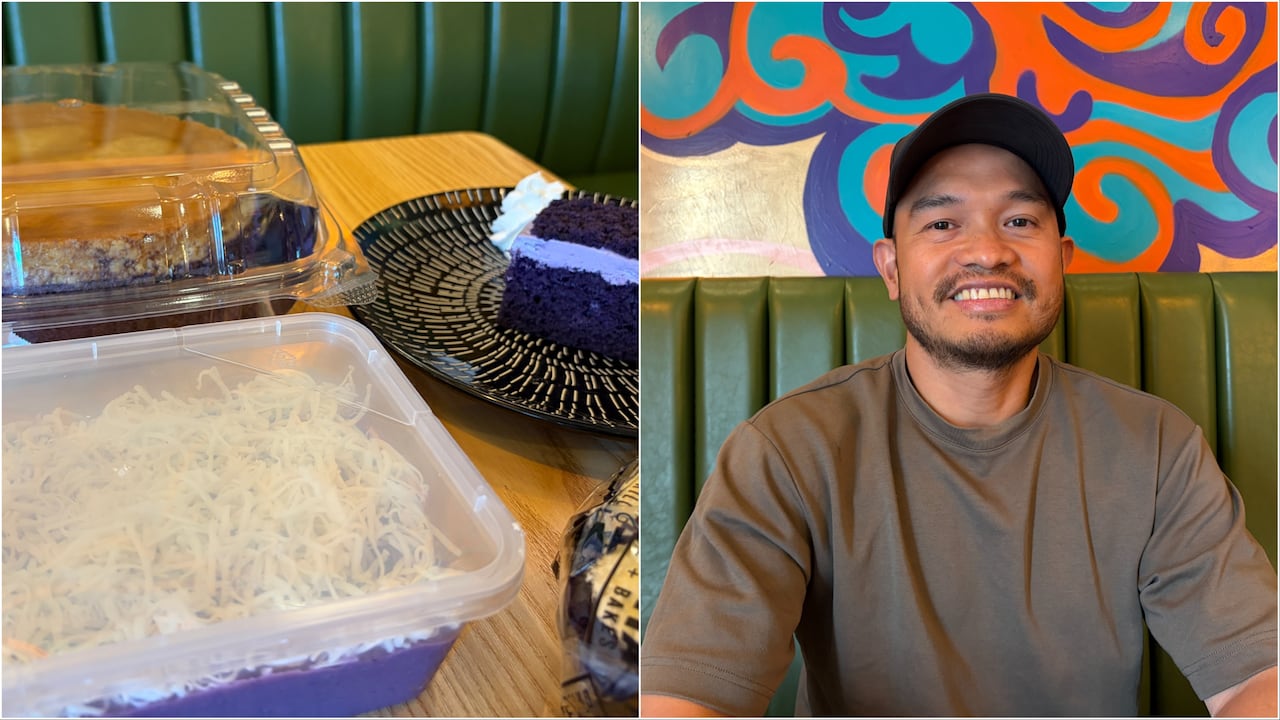 Richard Quiambao, co-owner of Amihan Grill and Bakeshop, says they recently started selling more ube products to keep up with demand, including ube halaya, a traditional ube jam. (Karina Zapata/CBC)
Quiambao said he’s tried some products that don’t actually taste like ube; they’re just purple. He hopes people can get the authentic taste at Ube Fest.
Back at MIK, Oh said he got the idea to launch the ube menu after seeing complaints online that ube lacks flavour.