

Listen to this article
Estimated 5 minutes
The audio version of this article is generated by AI-based technology. Mispronunciations can occur. We are working with our partners to continually review and improve the results.
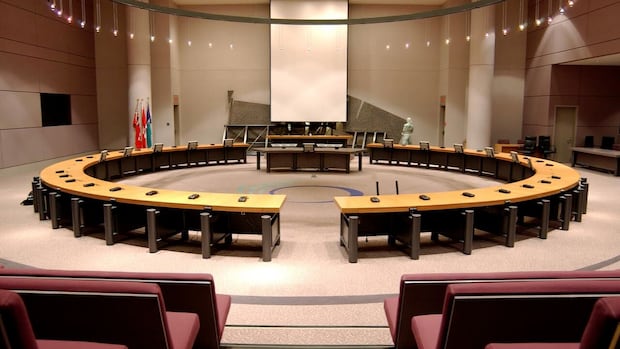
The municipal election campaign invaded council chambers on Tuesday, as three mayoral candidates squared off over taxes and infrastructure.
It all played out as council’s finance and corporate service committee considered a plan to catch up on a massive backlog in repairs for assets like roads, parks and buildings — a plan critics said just puts off tough decisions.
“We simply kicked the can down the road,” said Neil Saravanamuttoo, a candidate for mayor who came to address the committee. “It’s time to be honest with the people of Ottawa. Are we simply delaying a tax increase for infrastructure until after the next election?”
The new plan only makes up $1.2 billion of a $3.8-billion shortfall for needed repairs over the next decade, since it focuses on only the most critical infrastructure.
It relies largely on debt and reserves but holds off on making any recommendation about an idea that city staff say could help close the funding gap: a new tax levy dedicated to infrastructure.
 Ottawa 2026 mayoral candidate Neil Saravanamuttoo outside an elections office on May 1, 2026. (Arthur White-Crummey/CBC)
City staff say a one-per-cent levy on property tax bills would cost the average homeowner $46 a year, but could raise $20 million annually for the city.
Mark Sutcliffe was chairing the meeting in his role as the incumbent mayor. He said a new tax should be a last resort, not a first one. He said he’s going to look for other solutions, like funding from higher levels of government, before “defaulting to a tax increase.”
“There are people who think the residents of Ottawa have more money that they should just be giving to us at city hall, and I don’t agree with that,” he said.
“There are people fighting for affordability, fighting to protect taxpayers. That’s the team I’m on.”
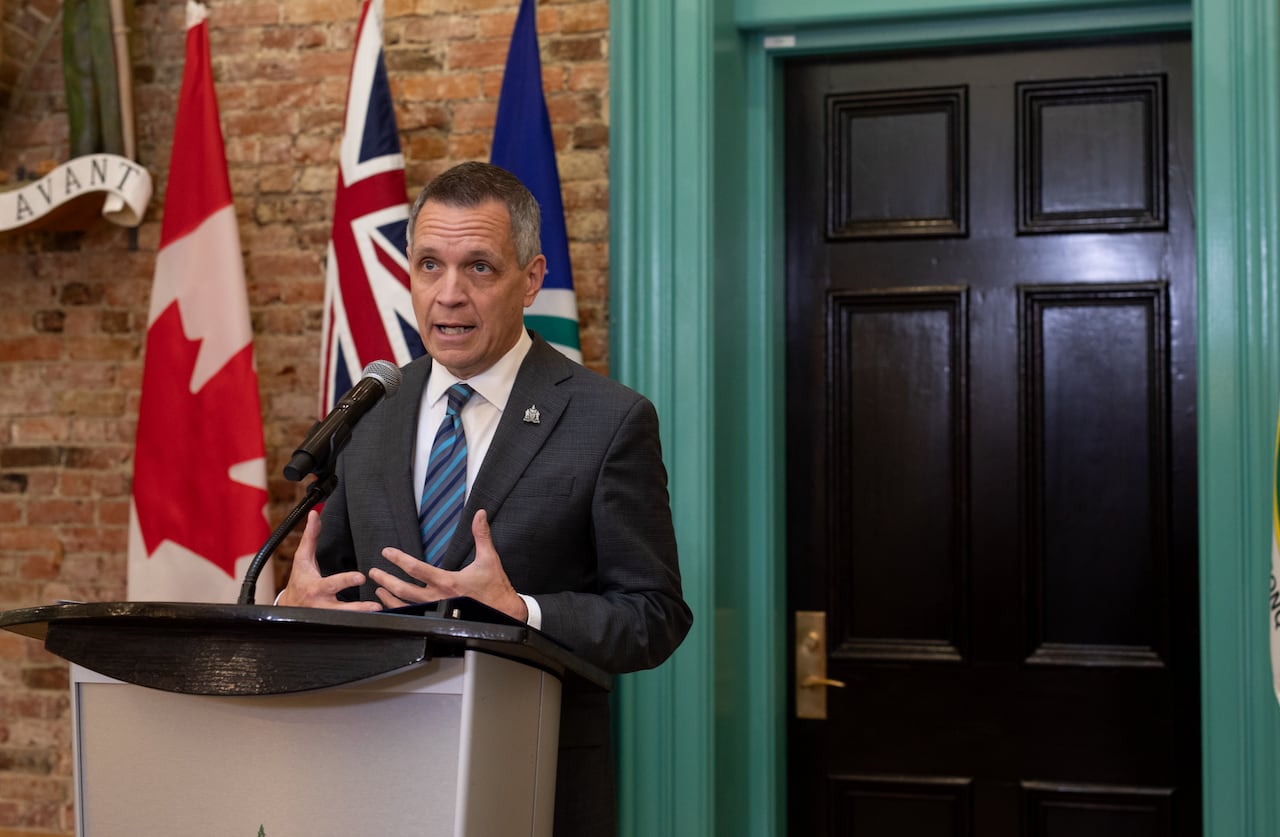 Mayor Mark Sutcliffe at a press conference in 2025. (Arthur White-Crummey/CBC)
Kitchissippi Coun. Jeff Leiper said the mayor is wrong to call a levy a tax, since it can only go to one specific purpose. In his view, that may make it “politically more palatable.” He said he’s not committing to pursuing the idea at this point, but he thinks it will be an election issue.
Leiper said the funding plan as written will simply suck tax revenue away from other priorities and lead to diminished services and neglected assets.
“We need to replace those revenues,” he said. “In the past, I think a levy has been a successful way to do that.”
Like Saravanamuttoo, Leiper said council is “punting too many decisions off to the next term of council.” He called that “irresponsible” and said he’s also worried that the plan could lead the city to sell off arenas, field houses and community centres.
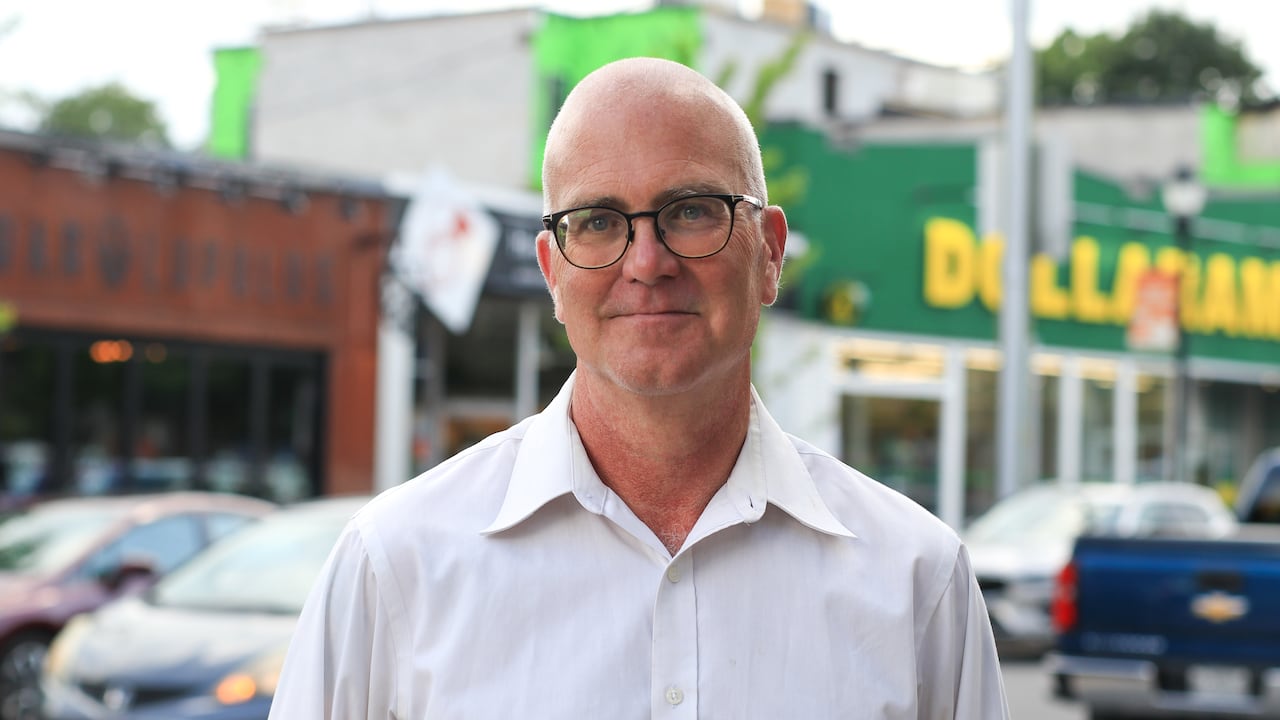 Jeff Leiper on Wellington Street West, a main street in his central ward. (Arthur White-Crummey/CBC)
Again, Leiper wasn’t the only one. The plan only contemplates replacing 40 of 130 facilities that are reaching the end of their life expectancy and raises the prospect of selling or consolidating some to pay for others.
“Mr. Mayor, I’ve got a list here of 25 arenas that are approaching end of life,” said Saravanamuttoo. “Of these 25 arenas, which, if any, are going to survive?”
The fourth registered candidate for mayor, homebuilder Alex Lawson, was not at the meeting. His campaign manager said he was out helping the homeless.
He sent a quote from Lawson saying a levy, in his view, is clearly a tax and criticizing waste at city hall.
Funding plan passes
Challengers for council seats also showed up at the meeting to ask whether their wards will lose vital community spaces. Barbara Daniela Gandolfo, who’s running in the Orléans East-Cumberland ward, said the report “set off alarm bells.”
“What’s being cut? What’s being closed? What’s being deferred to a different council and future taxpayers?” said Bob Bell, who is running in the same ward. “None of that is explained in the report.”
But he faced pushback from Beacon-Hill Coun. Tim Tierney, who asked Bell whether he would support a tax levy.
“If that’s required to bring our infrastructure up to snuff, then yeah, we should absolutely be considering that kind of levy,” Bell said.
Tierney said he’s dead against the idea. He said a council meeting shouldn’t become a campaign stop, which prompted Knoxdale-Merivale Coun. Sean Devine to come to Bell’s defence. He suggested that politics is never far from the council table.
“You are far from the only person, elected or not, who uses this horseshoe for self promotion,” Devine said.
The funding plan passed 9 to 2 at committee, with only Leiper and Capital ward Coun. Shawn Menard voting against. It now goes to council for a final vote on June 10.
Menard said it’s wrong to frame the idea of an infrastructure levy as “a bogeyman.”
“I’m concerned that we’re not going to get out of the hole that we’re in,” Menard said.
“The problem is getting worse and worse the longer we let it drag on.”