
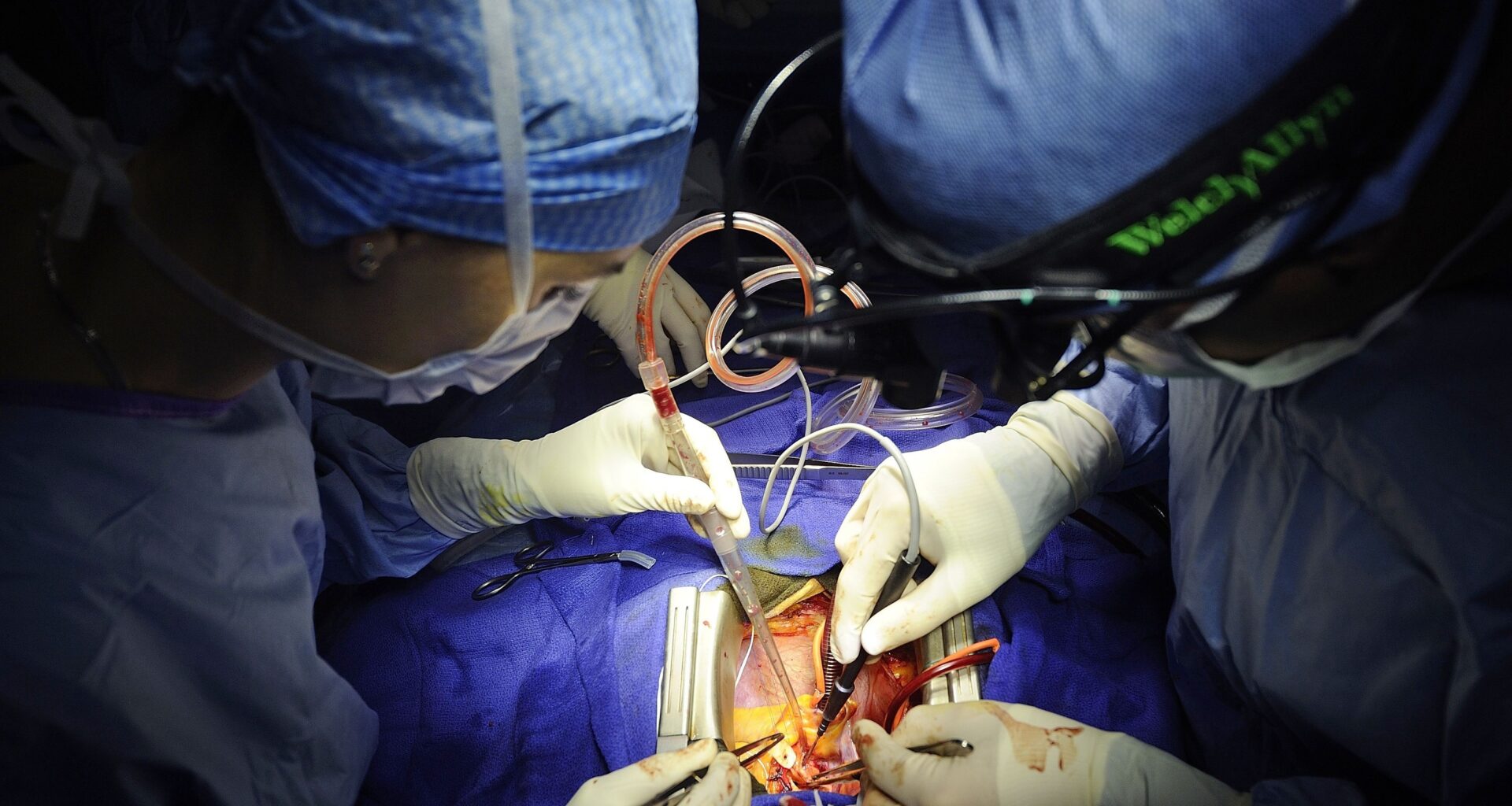
A second cardiac surgeon will quit Quebec this summer to practice permanently outside the province because of a dire lack of resources in the public health system — a departure that will likely exacerbate an already acute shortage of the highly sought-after medical specialists, The Gazette has learned.
Dr. Dimitri Kalavrouziotis has informed the Institut universitaire de cardiologie et de pneumologie de Québec that he will be leaving for Halifax in August. Kalavrouziotis’s imminent departure comes after news on Tuesday that Dr. Emmanuel Moss, chief of cardiac surgery at the Jewish General Hospital in Montreal, will be moving to Atlanta in September, citing concerns with rising antisemitism in the city as well as a lack of resources in the medical system.
Once Kalavrouziotis and Moss are gone, Quebec will be left with a total of 44 cardiac surgeons tasked with reducing a backlog of nearly 1,600 heart operations in addition to the regular volume of surgery. Ideally, Quebec should have at least 56 cardiac surgeons to meet the demands of an aging population.
In the last 10 years, 17 cardiac surgeons educated and trained in Quebec have left to practice elsewhere in Canada and the United States in what has amounted to an exodus of top-flight medical specialists. In addition to cardiac surgeons, several dozen other doctors have fled Quebec this year to work in Ontario, New Brunswick and other provinces, making good on their threat following the adoption last fall of Bill 2, the divisive physicians’ pay law that has since been redrafted by the Coalition Avenir Québec government.
Cardiac patients dying on wait lists
Dr. Louis Perrault, president of the Association des chirurgiens cardio-vasculaires et thoraciques du Québec, could not recall a time in his 29-year career when the state of cardiac surgery has been as perilous as it is today.
“Oh, it’s the worst, definitely,” Perrault said. “Twenty years ago, we were able to operate on all patients within a month. And now we have heart patients that wait a year, when most of our patients should be operated on within three months.”
In a previous interview, Perrault noted that five patients died while waiting for their surgery at the Institut de cardiologie de Montréal. In addition to the shortage of heart surgeons is a dearth of perfusionists, the professionals who run heart-lung machines.
At present, there are 65 perfusionists across Quebec, down from 70 last year. Ideally, the province needs 90.
“It’s not being taken seriously enough. Obviously, it should be a priority because heart disease is a matter of life and death.”
Dr. Louis Perrault
Association des chirurgiens cardio-vasculaires et thoraciques du Québec
Moss, who is also director of McGill University’s cardiac surgery residency training program, declined to comment about his move to Atlanta. But in an interview with The Gazette last March, he expressed grave concerns about the lack of perfusionists and the potential impact on the Jewish General’s cardiac surgery program.
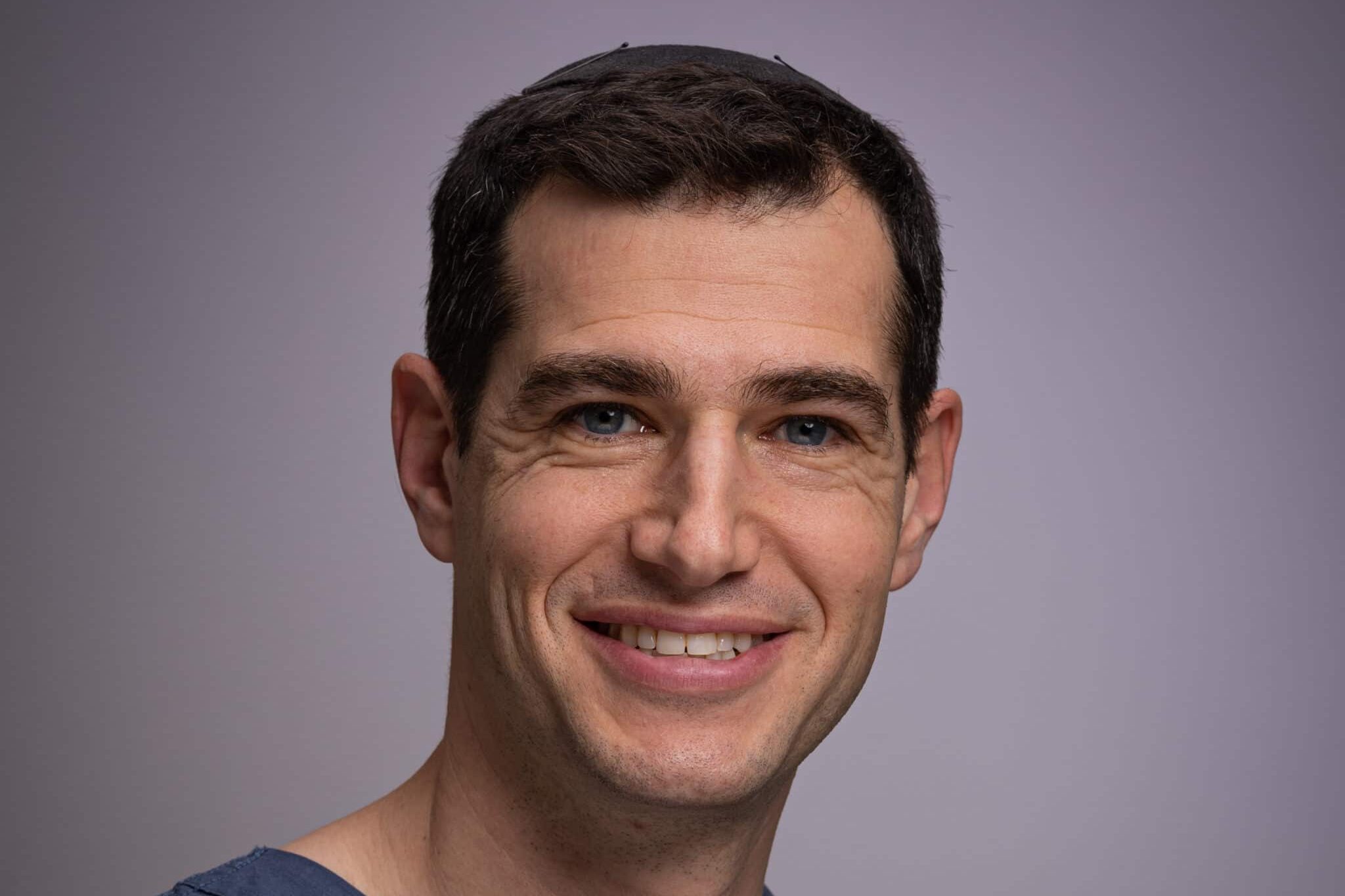 Dr. Emmanuel Moss, chief of cardiac surgery at the Jewish General Hospital, plans to move to Atlanta in September. (Photo credit: Institut de cardiologie de Montréal) Source: Institut de cardiologie de Montréal
“We have no savior in sight for our perfusionists, and obviously it puts our program at risk,” Moss said at the time. “We’re at risk of a rupture in service if we lose those perfusionists and they actually leave and if we don’t get any other help, then we can’t do heart surgery at the Jewish General anymore.”
Heart disease in Quebec to rise until at least 2050
Over the years, Quebec’s four medical schools and the Health Ministry have coordinated to replace retiring heart surgeons with new recruits. But they didn’t foresee the exodus of Quebec cardiac surgeons to the rest of Canada and the U.S., Perrault explained.
Quebec hospitals have succeeded in luring a few heart surgeons from France, Argentina and Luxembourg. But with the province’s shrinking resources for cardiac surgeons making international headlines, Perrault acknowledged it’s getting much harder to recruit.
“I think it’s very disappointing that we can’t keep our talent here,” he said of the departing surgeons.
It’s also not simply a question of a lack of resources. The mission for cardiac surgeons is to save lives, yet increasingly they have to break the news to patients and their families that their operation has been put off yet again. In medical circles, this phenomenon is known as moral injury, forcing burned-out health professionals to put up with conditions that are intolerable for patients.
Compounding the shortage of heart surgeons and perfusionists is the aging of the population, with one widely cited Quebec study projecting an increase in the prevalence of cardiovascular disease until 2050. Thus, a rising demand in heart surgery is colliding with a decrease in medical personnel in the province.
Kalavrouziotis, who is also an internationally renowned researcher in heart disease, was not immediately available for comment. Perrault, who in his role as head of the association of cardiovascular surgeons is in daily contact with his colleagues, confirmed that Kalavrouziotis will be leaving for Halifax in August.
 Dr Dimitri Kalavrouziotis has informed the Institut universitaire de cardiologie et de pneumologie de Québec that he is leaving for Halifax in August. (Photo credit: Journal of Thoracic and Cardiovascular Surgery)
In 2006, Kalavrouziotis won first prize in a competition among surgical residents at Dalhousie University in Halifax. He was also awarded a $50,000 research grant.
Perrault blamed both Santé Québec, the state corporation managing health care, and the provincial government for not giving priority to cardiovascular disease and reducing the surgical backlog.
“It’s not being taken seriously enough,” he added. “Obviously, it should be a priority because heart disease is a matter of life and death.”
Editor’s Picks