
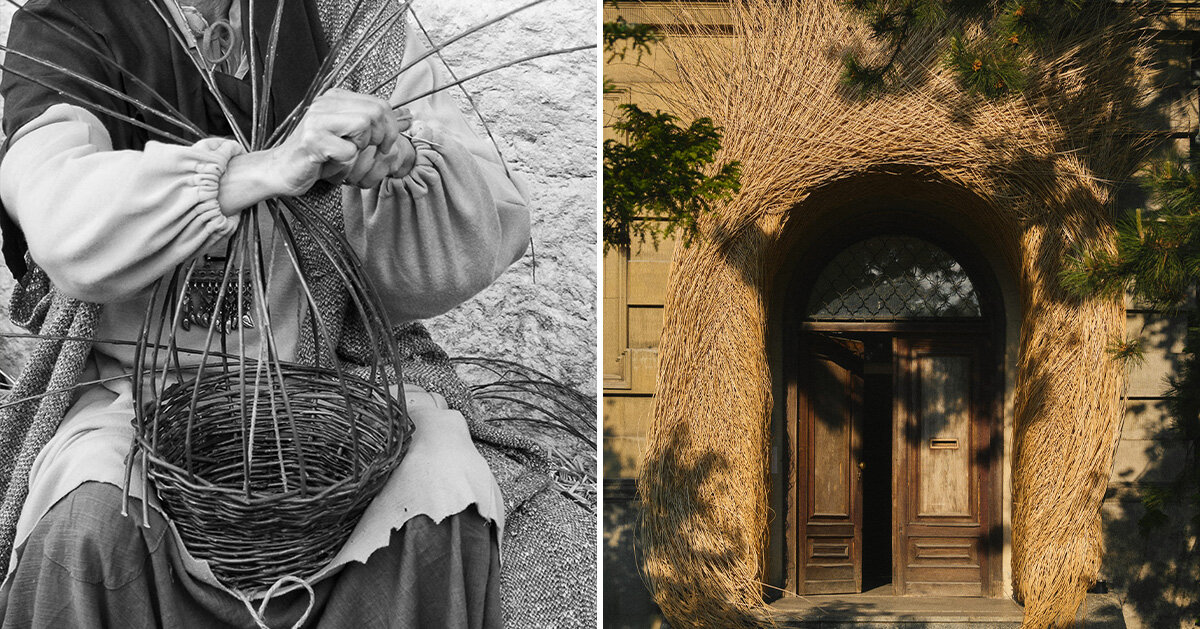
visteria foundation Creates conditions for craft to thrive
In a neobaroque villa in Warsaw, baskets woven from willow sit alongside contemporary design objects, archival works, and experimental craft practices. Here, at the Visteria Foundation’s temporary headquarters in the historic Gawroński Villa, conversations about craft extend beyond the objects on display. They turn instead to the systems that sustain them: the transfer of knowledge across generations, the visibility afforded to emerging makers, and the communities that continue to find meaning in making.
Established in 2025, the Visteria Foundation was created to celebrate and support Polish art, craft, and design. In little more than a year, the non-profit organization has staged exhibitions in Warsaw and Milan, launched open calls for emerging artisans, and developed public programs exploring the role of craft in contemporary culture. But exhibitions are only one part of the equation. Through its initiatives, the foundation is exploring how traditional knowledge can remain a living and evolving force rather than becoming heritage preserved behind glass.
‘We’re all about celebrating Polish art, craft, and design,’ says founder Katarzyna Jordan. ‘We are keen to support artists in these fields and encourage them to connect and share ideas. We founded the Visteria Foundation because we deeply appreciate Polish craftsmanship and are inspired by the creativity of Polish designers and artists. We aim to help them gain international recognition.’ The statement points to a challenge shared by many craft communities around the world. Traditional knowledge can survive for centuries, yet the conditions that allow it to flourish are often fragile. As economies globalize and production accelerates, local practices can become disconnected from contemporary life. The question is no longer simply how to preserve heritage, but how to create the circumstances in which it can evolve.
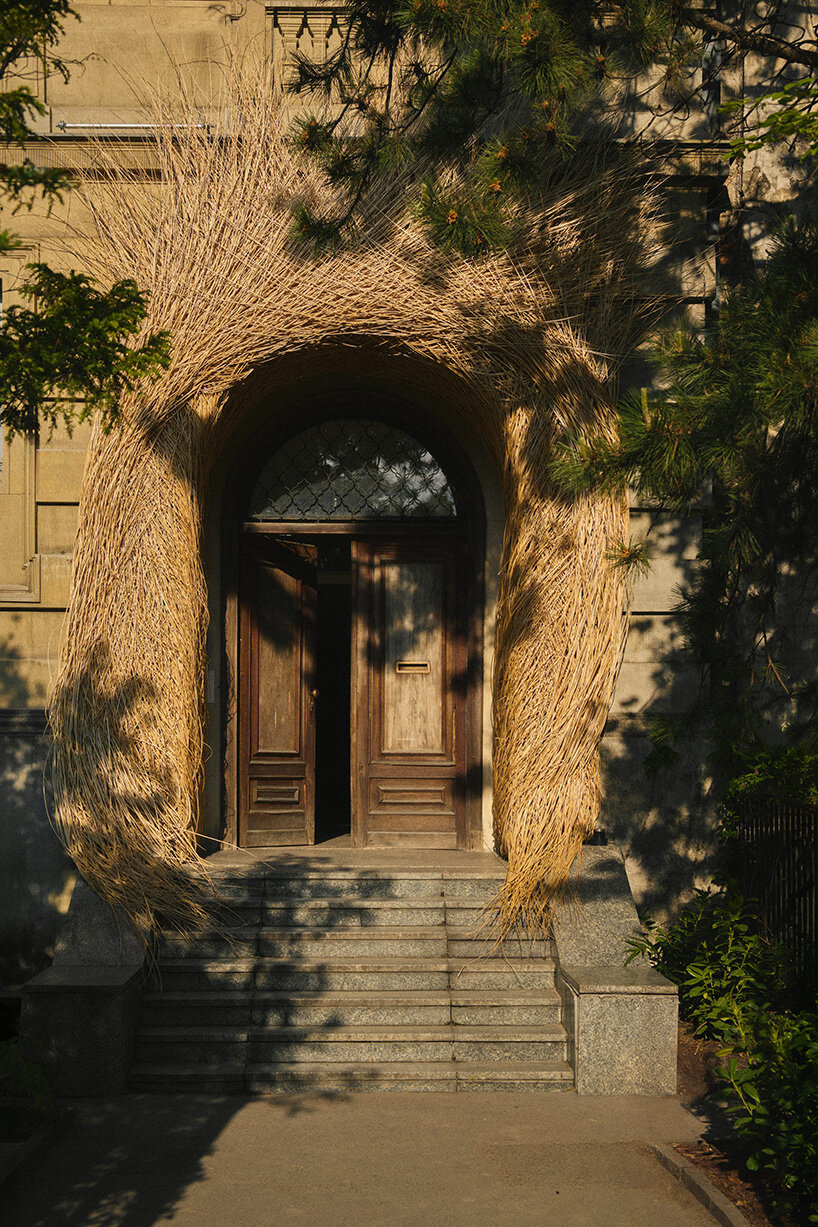
The portal, 2026 Project: Anna Szczęsny, Bartosz Brylewski | images by Tomo Yarmush, unless stated otherwise
beyond preservation
For Katarzyna Jordan, the renewed interest in craft emerging across Poland reflects a wider generational shift. Where previous decades often looked outward for cultural models, younger practitioners are increasingly reexamining local traditions and inherited knowledge.
‘What is beautiful right now is that we don’t feel this way anymore,’ she reflects. ‘We feel that the education that was given to us, the knowledge and the heritage that we have, is as beautiful as what we once admired elsewhere.’
This return to local knowledge does not signal a retreat into nostalgia. Many contemporary makers are using traditional techniques to engage with present-day questions around materiality, sustainability, identity, and production.
‘I believe that what they want to show right now is not making or remaking the object,’ Jordan says. ‘I think it’s a dialogue with what is happening in the world.’
The distinction is important. Across contemporary craft practice, the most compelling projects rarely seek to replicate the past exactly as it was. Instead, they treat inherited skills as living tools that can be adapted to new contexts. Whether working with bio-based materials, digital fabrication, regenerative agriculture, or traditional weaving, today’s makers often move between historical knowledge and contemporary experimentation, and in this sense, craft becomes more about translation.
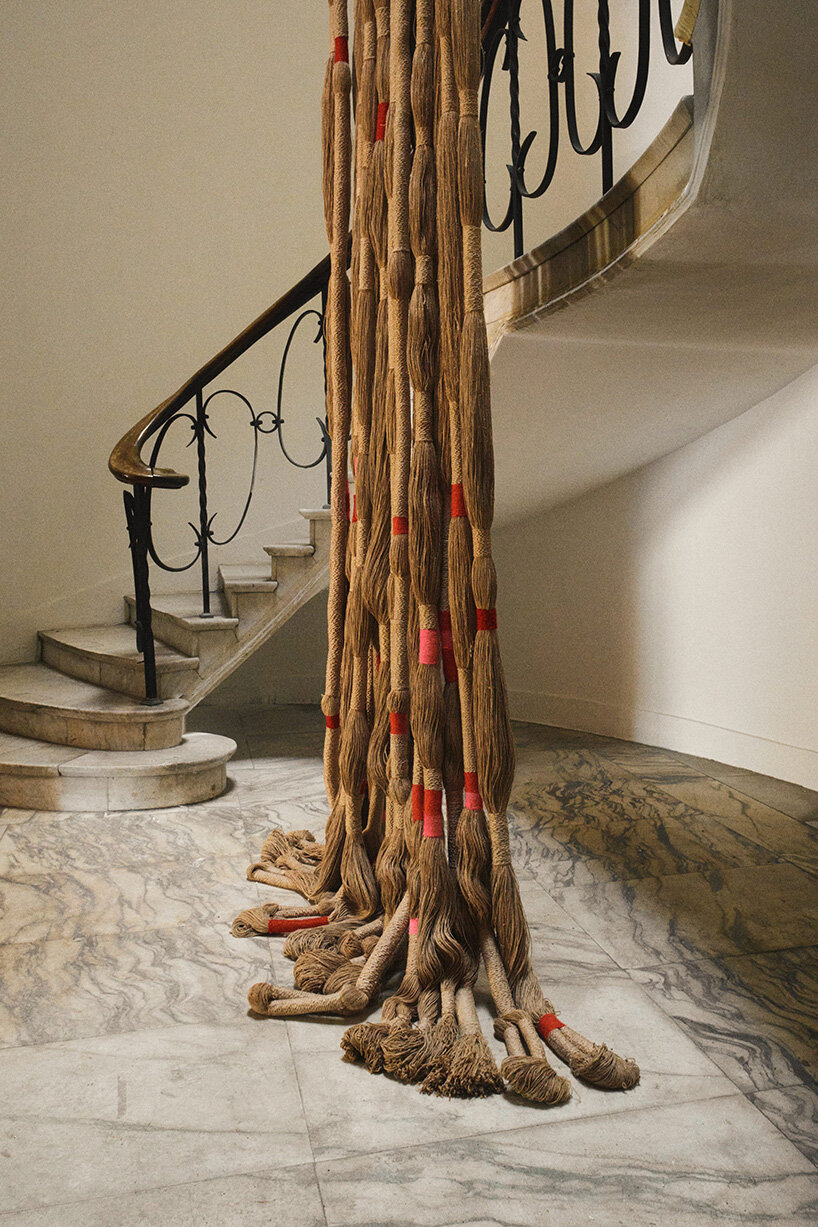
Untitled, Sheila Hicks, 1975
building an ecosystem
The foundation’s approach recognizes that sustaining craft requires more than celebrating individual makers. It demands infrastructure.
In autumn 2025, Visteria launched an open call seeking artisans and designers from across Poland. More than 800 applicants responded, revealing a creative landscape far broader than many anticipated. Many of these practitioners worked in small studios, often operating independently and outside established institutional networks.
‘We know that momentum for Polish craft and design is still very young,’ Jordan explains. ‘Many makers are still emerging, working in small studios around Poland. We try to help them by giving them space, by giving them recognition, by giving them efficient tools to become more established.’
The statement echoes a recurring theme throughout contemporary craft discourse. The future of making depends on access to platforms, audiences, mentorship, and economic opportunities. Knowledge may be inherited, but ecosystems must be actively built.
Through exhibitions such as Romantic Brutalism, Polish Modernism: A Struggle for Beauty, presented during Milan Design Week 2026 at Torre Velasca, and projects examining the legacy of Polish-Brazilian designer Jorge Zalszupin, Visteria has sought to position contemporary practitioners within a broader cultural narrative. Historical objects sit alongside contemporary works, while archival material is presented as a source of ongoing inspiration.
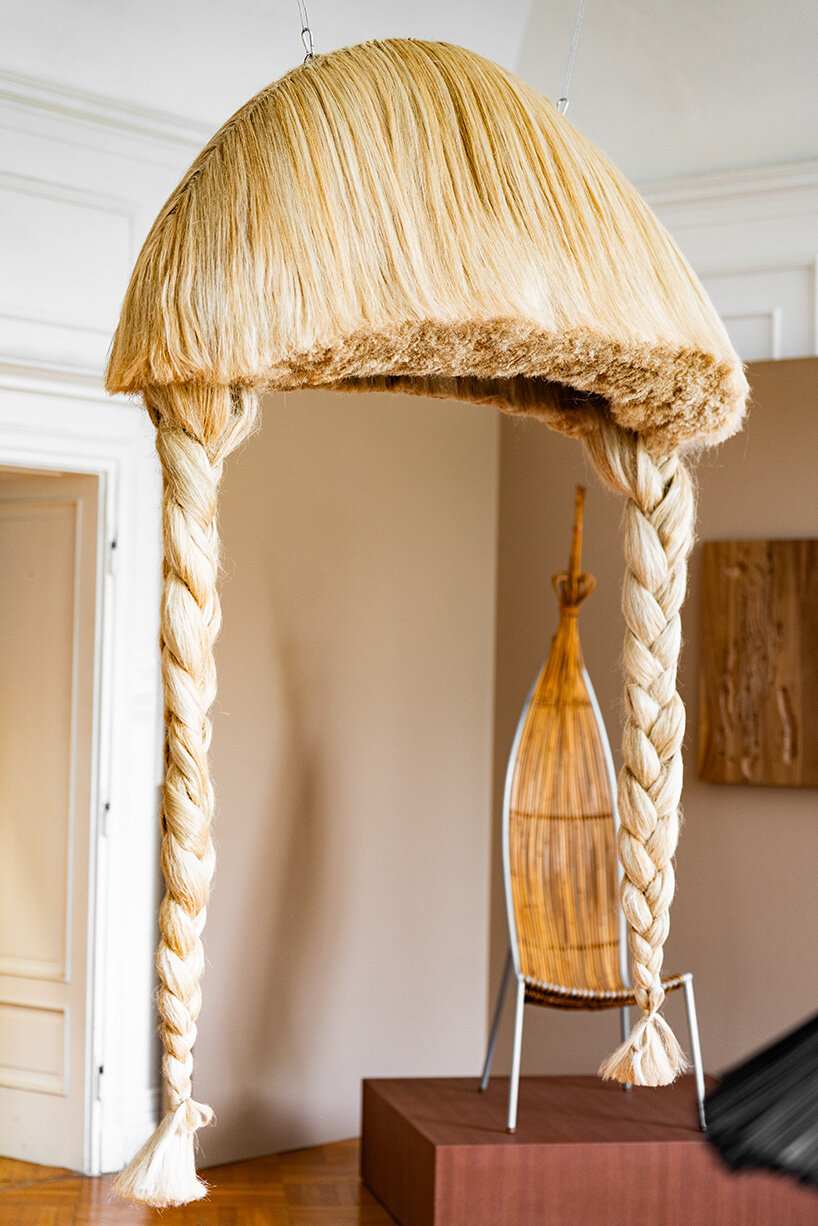
Braids, Ala Savashevich, 2026 | image by Edward Wendt
polish basketry as social infrastructure
Perhaps the clearest expression of this philosophy can be found in the engagement of the foundation with Polish basketry. Following the inscription of Polish basket weaving on UNESCO’s Representative List of the Intangible Cultural Heritage of Humanity in 2025, Visteria Foundation presented Craft Days at Warsaw’s Gawroński Villa. The exhibition was accompanied by a program of workshops, panel discussions, and public events exploring the role of craft in contemporary culture. Developed in collaboration with the association Serfenta, the initiative brought together artisans, researchers, and audiences around a practice that extends far beyond the finished object.
Basketry offers a useful lens through which to understand the future of craft because it exists simultaneously as material knowledge, cultural memory, environmental awareness, and social practice. The basket itself is only one outcome. Equally important are the relationships that sustain the tradition, including the cultivation and harvesting of materials, the transmission of techniques, the gatherings where knowledge is exchanged, and the communities that continue to value the practice.
Seen through this perspective, craft functions as a form of social infrastructure. Its significance lies in how people connect through making. Workshops become sites of intergenerational exchange. Skills pass from one practitioner to another. Local materials carry stories of place. Communities maintain continuity through shared acts of creation
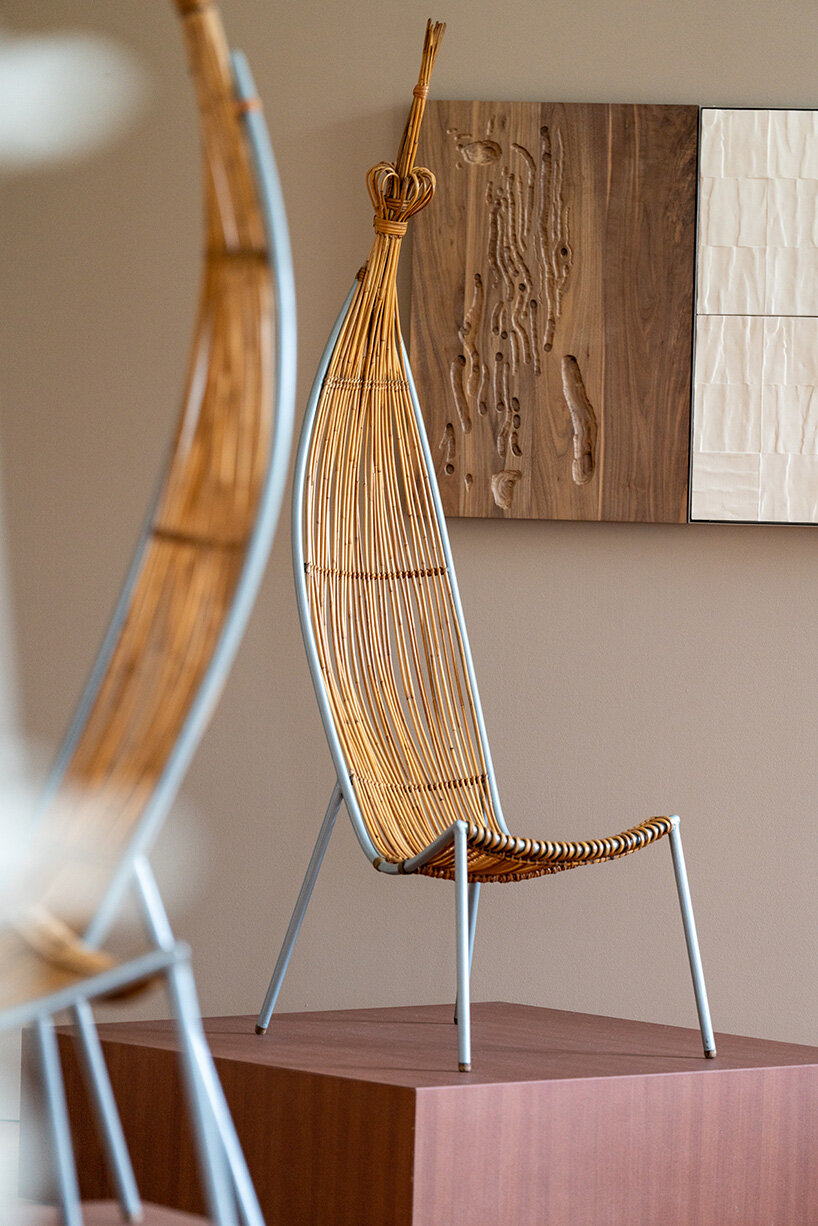
Untitled, Władysław Wołkowski, 1965, from the Władysław Wołkowski Wickerwork Museum in Olkusz | image by Edward Wendt
local knowledge in a global conversation
Although Visteria’s activities are rooted in Poland, the questions they raise resonate internationally. Across disciplines, designers, architects, and artists are increasingly looking toward vernacular knowledge systems as they search for alternatives to extractive models of production. Traditional techniques are being reexamined not because they belong to the past, but because they often contain forms of material intelligence developed through centuries of observation, adaptation, and care.
‘What is local is the heritage of craft, of how the pieces are made,’ Katarzyna Jordan says. What makes a craft tradition valuable is not necessarily a particular aesthetic outcome. Rather, it is the accumulated knowledge embedded within processes, materials, and relationships. Those forms of knowledge remain relevant even as the objects themselves evolve. This understanding also informs the founder’s belief that craft can serve as a form of cultural agency on the international stage. She sees design and making as a means of participating in global conversations while remaining connected to local histories.
The foundation’s exhibitions in Milan and its forthcoming projects abroad reflect this ambition. They present Polish craft as a contemporary and evolving field of practice.
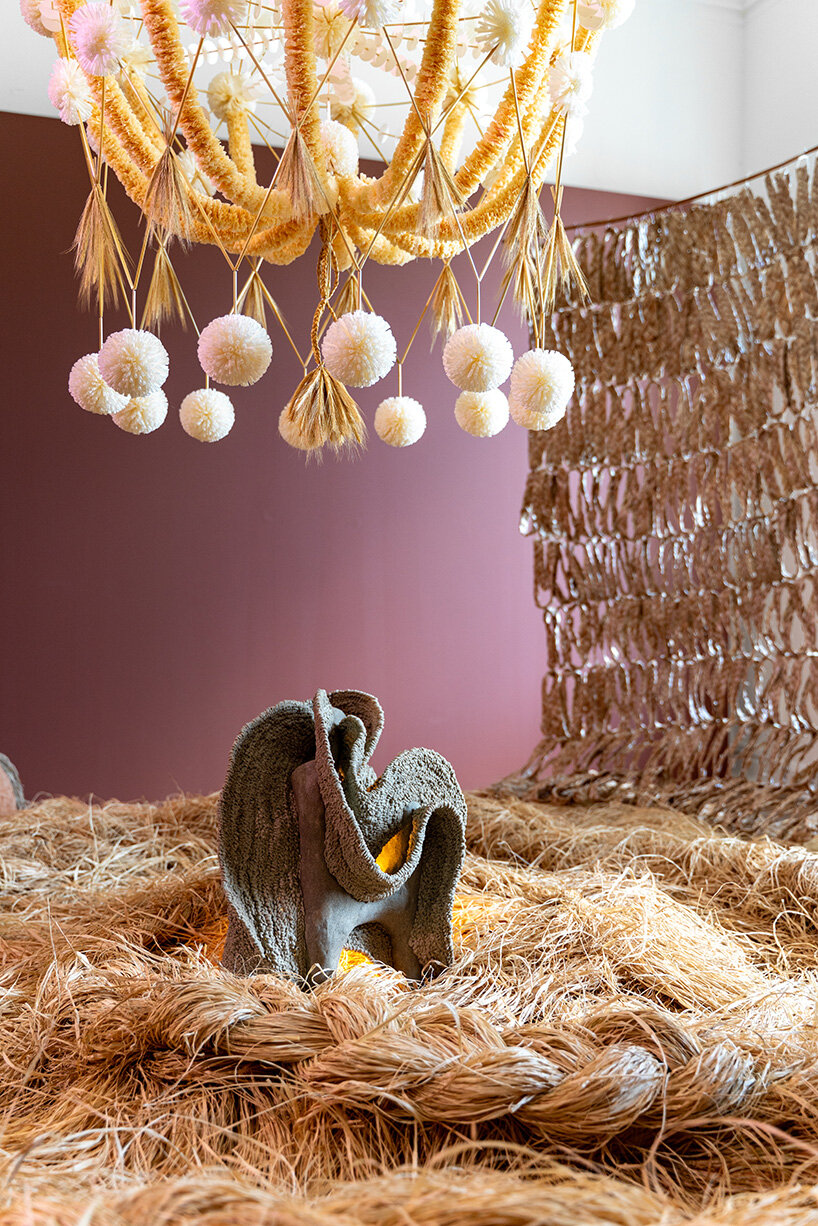
Folka, Karolina Merska, 2026, Knitting Sand 05 Agnieszka Mazur, 2026 | image by Edward Wendt
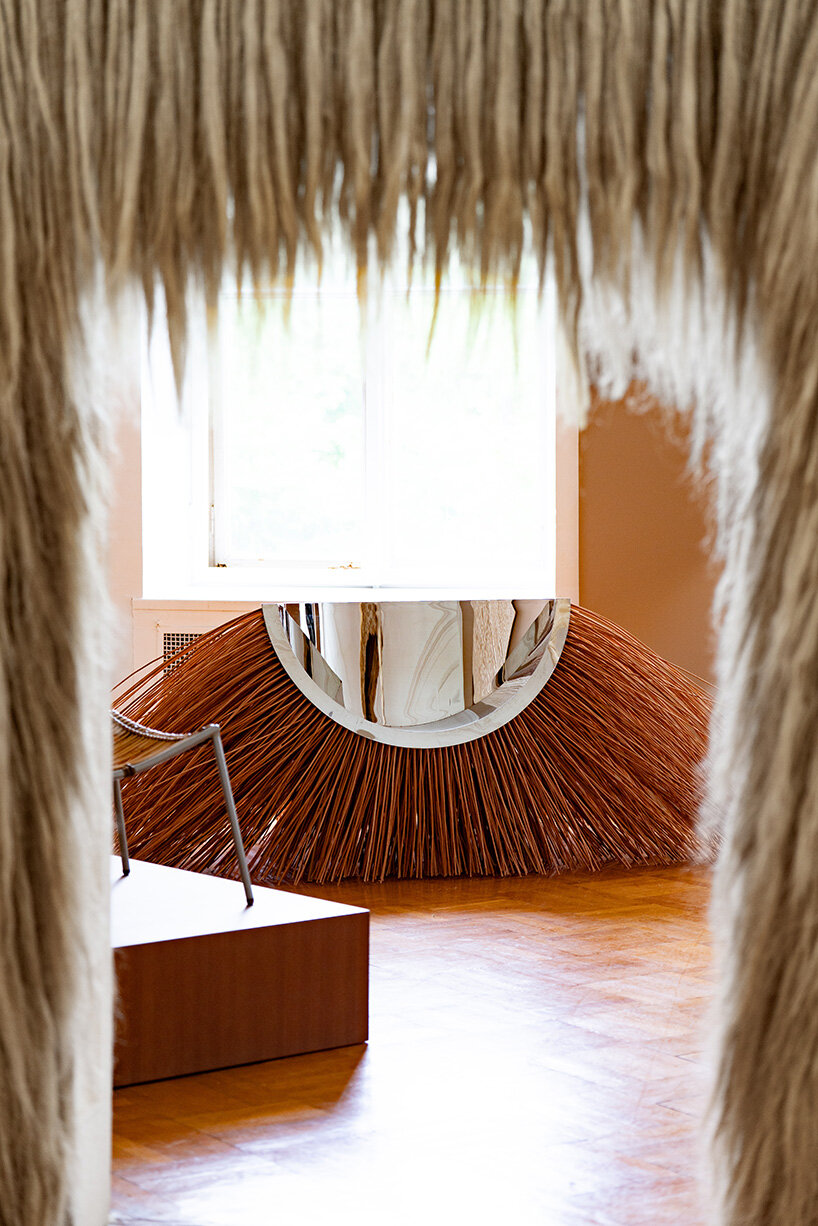
SIE70, Paweł Grunert, 2024, courtesy of Objekt Gallery | image by Edward Wendt
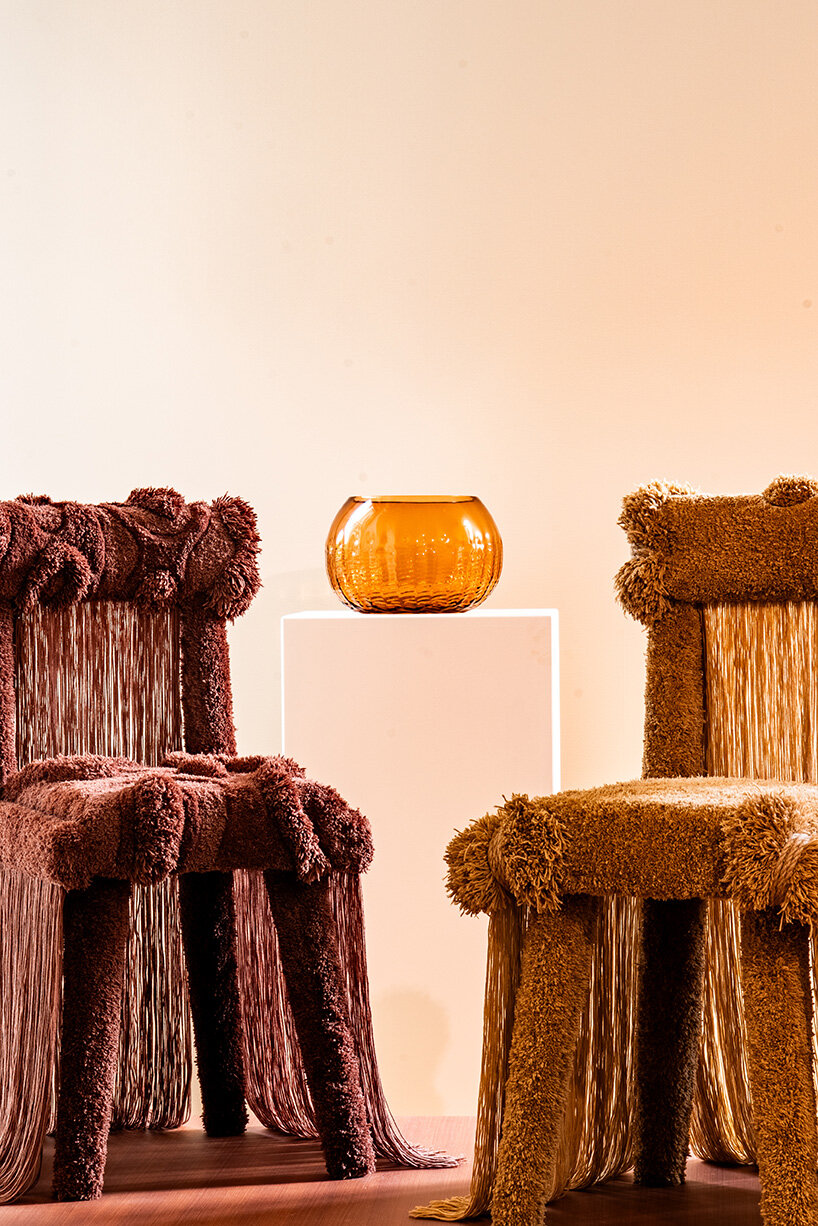
GROUND Vase S+, 2025, Agnieszka Bar, Soft Structure No. 1 & Soft Structure No. 2, Ola Szewczul, Vintola Studio, 2025 | image by Edward Wendt
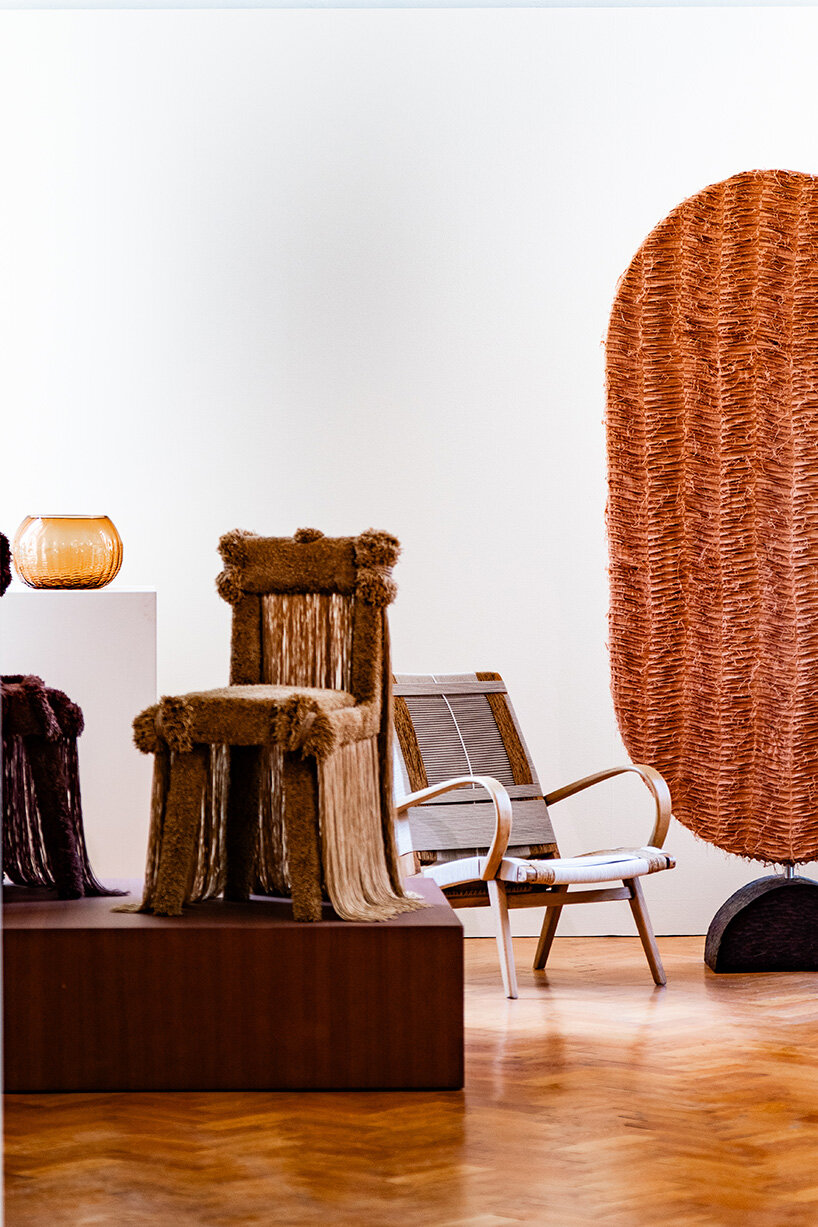
image by Edward Wendt
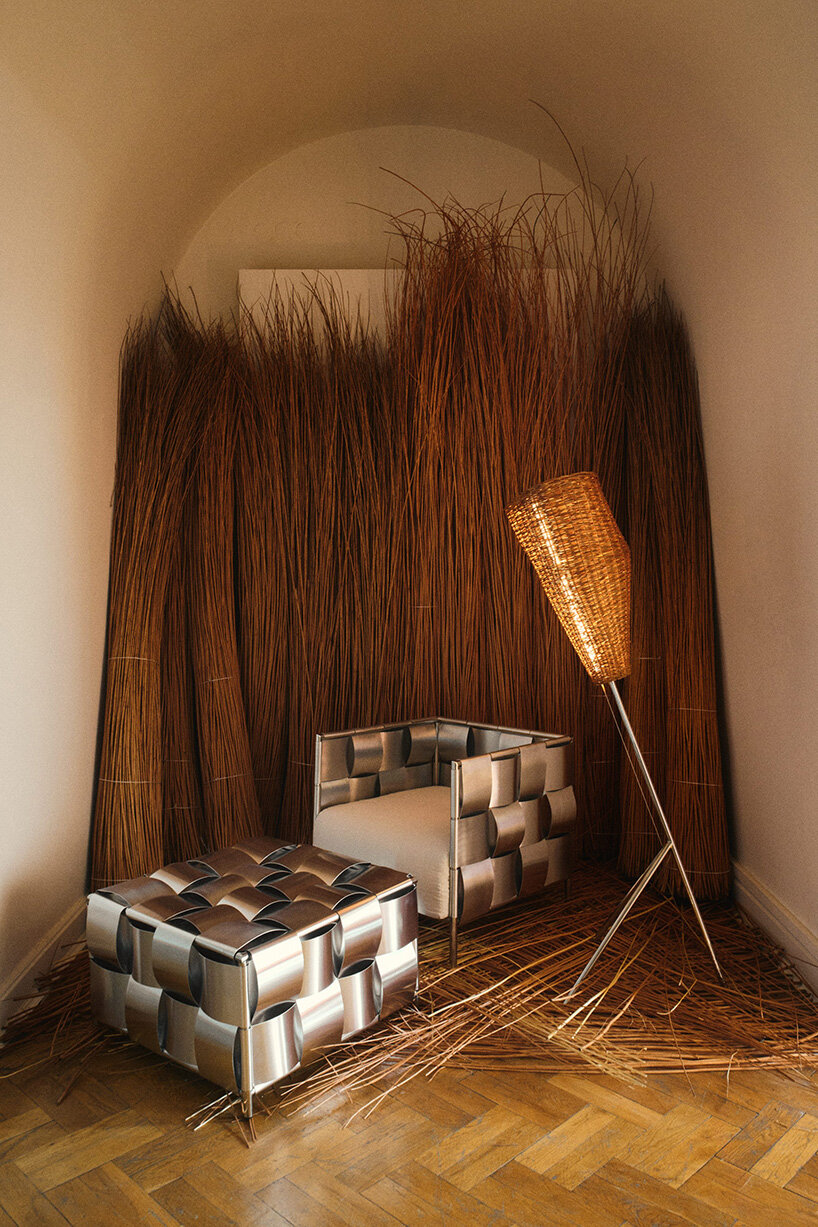
Braid armchair, Monika Szyca-Thomas, The Good Living, 2024, hand-bent aluminium. Braid coffee table, Monika Szyca-Thomas, The Good Living, 2026, hand-bent aluminium, Cultivating wicker, Xenia Kwiatkowska, 2026, debarked wicker, hand-woven (Salix viminalis), stainless steel frame, LED
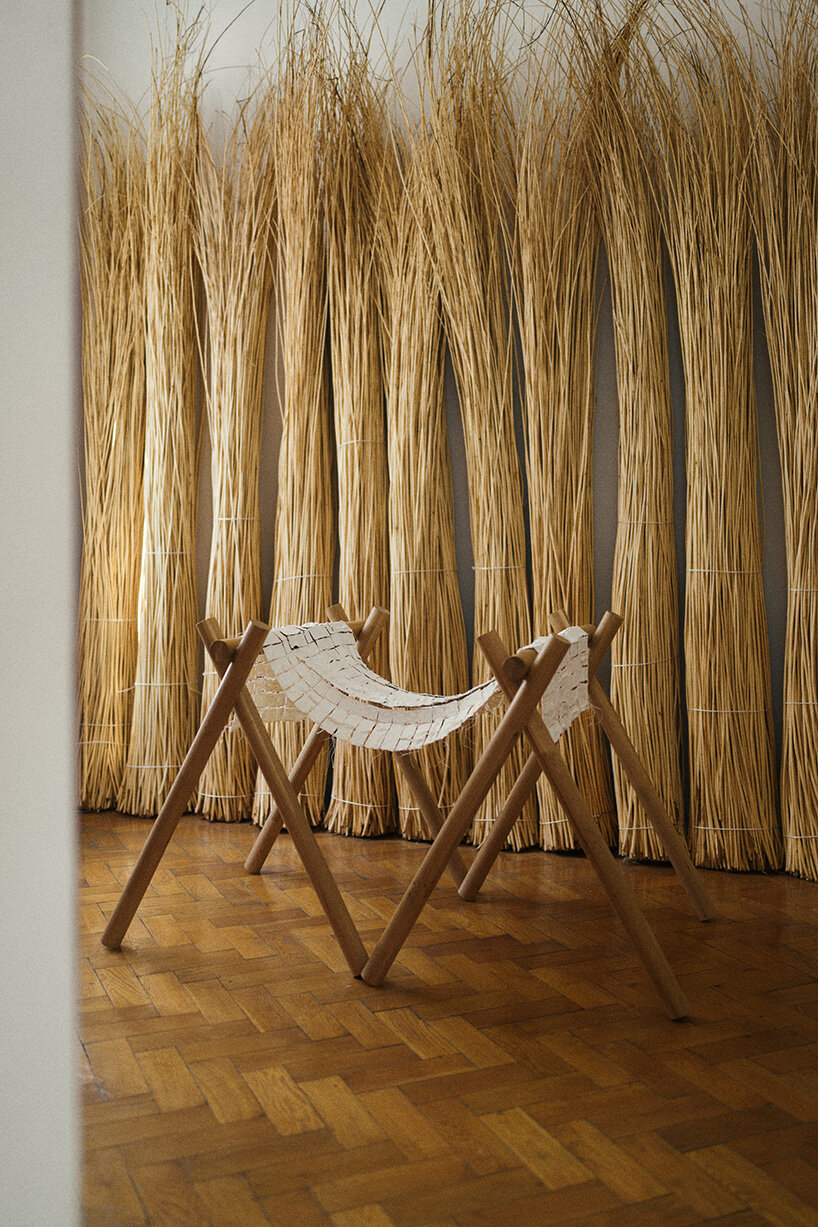
Woven spaces, Magdalena Wierzbicka, 2018 (reconstruction 2026), fired cotton, porcelain, linen bookbinding thread
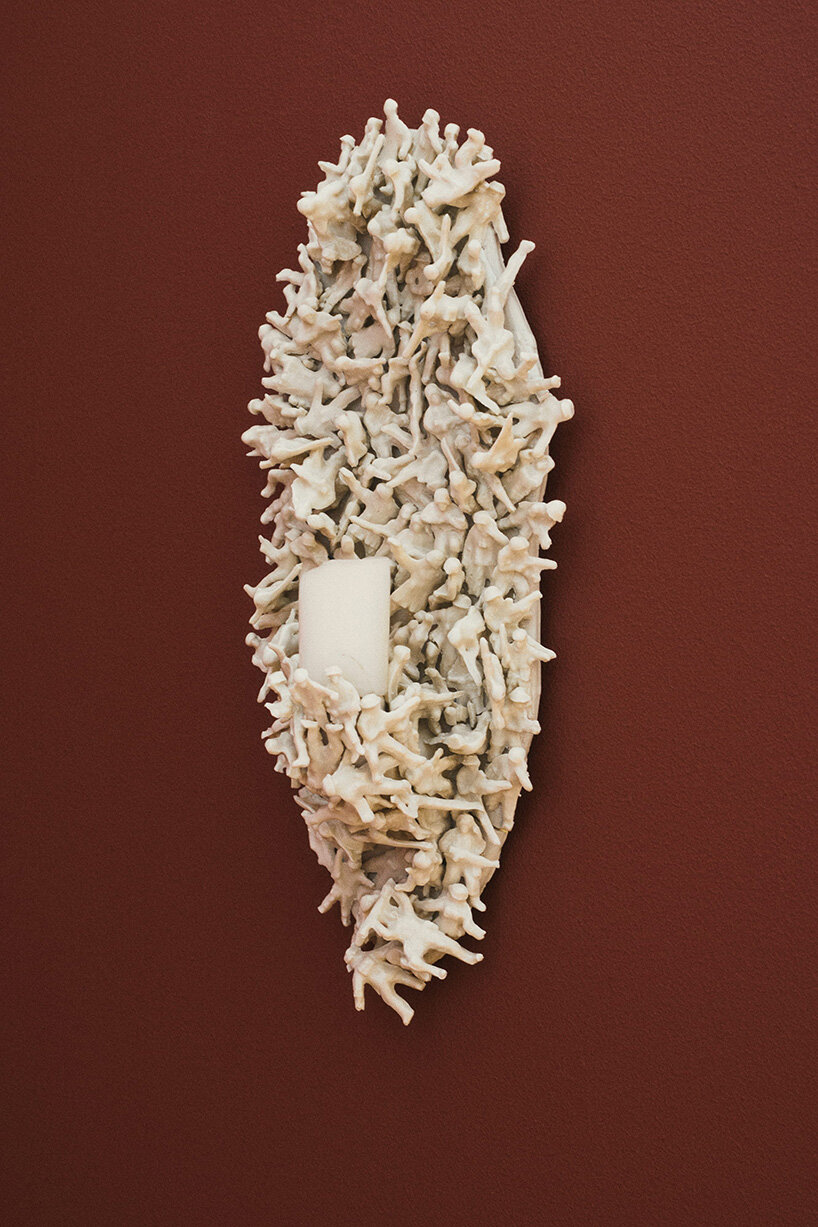
Straw mobile, Karolina Ciecholewska, 2026, porcelain, steel wire
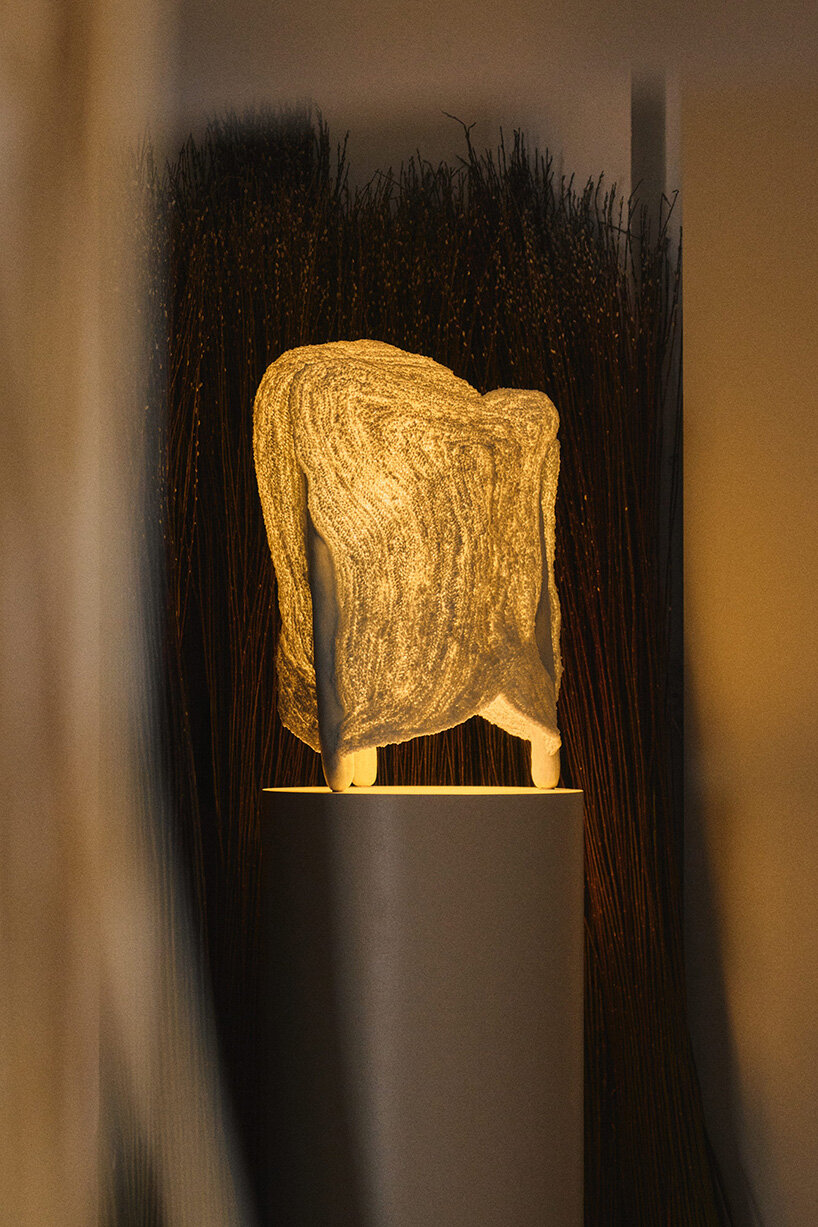
Virgin White CB 02, Agnieszka Mazur 2026, original technique
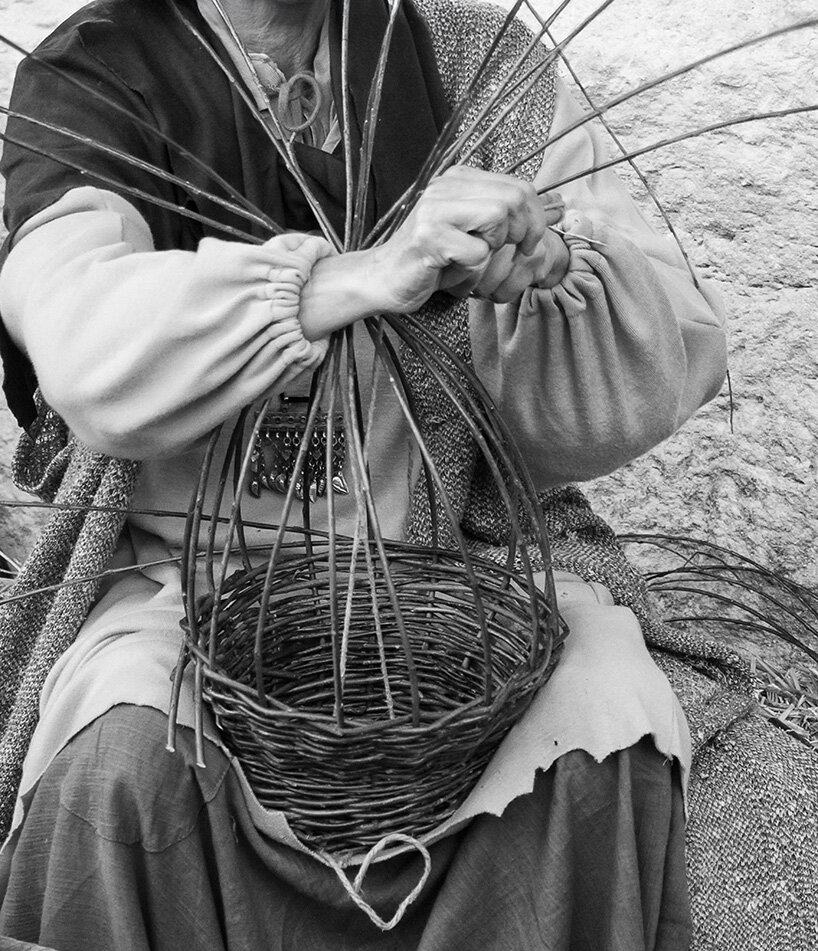
image via Visteria Foundation
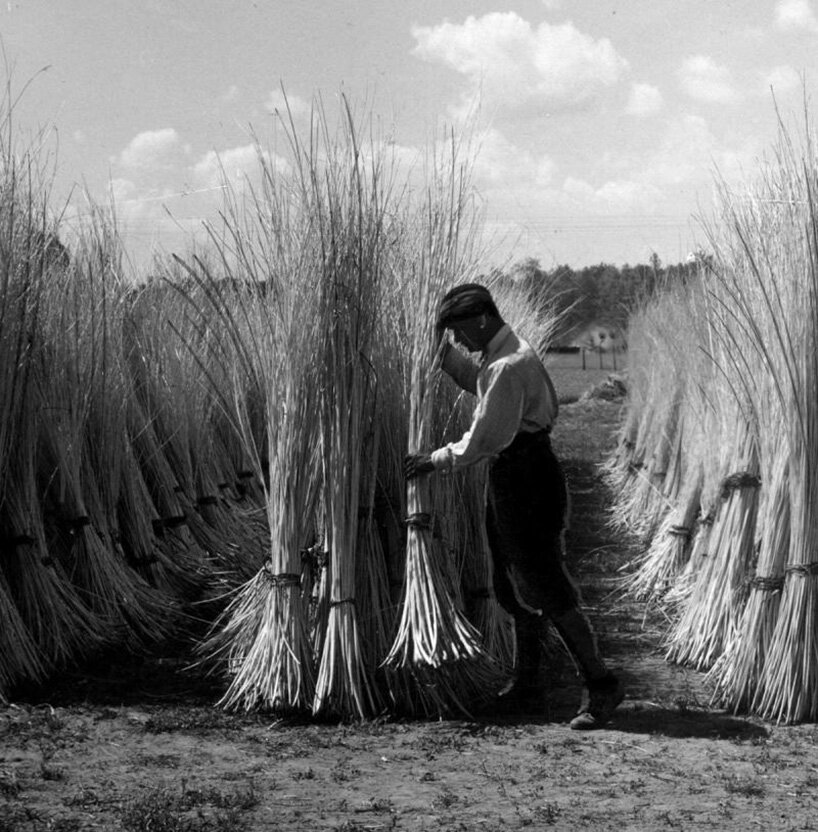
basket willow processing plant in Niepołomice | image courtesy of National Digital Archives (Poland) via Visteria Foundation
project info:
name: Visteria Foundation | @visteria.foundation
founder: Katarzyna Jordan
location: Warsaw, Poland