
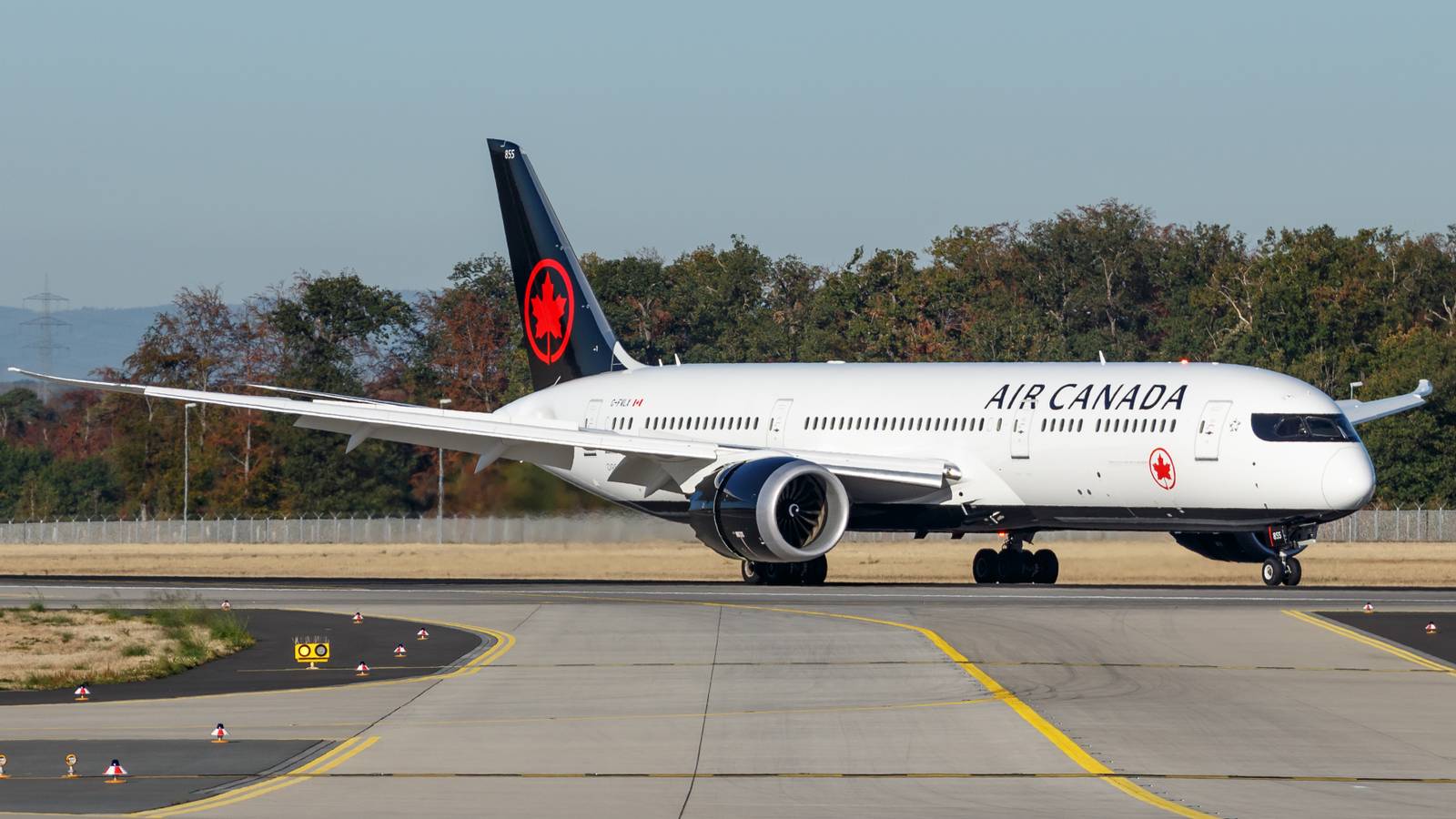
 Air Canada has launched three long-haul routes in as many days, an unusually concentrated expansion that underscores the carrier’s growing international ambitions and confidence in demand across Asia and Europe. Between June 3 and June 5, Canada’s flag carrier inaugurated services from
 Toronto Pearson International Airport (YYZ) to Shanghai, Montréal–Trudeau International Airport (YUL) to Catania, and Toronto to Budapest. Three new intercontinental destinations were added to its network within a 72-hour period.
The rapid succession of route launches is notable even for a major global airline. Each service targets a distinct market segment, ranging from restoring links with China to developing new leisure traffic to Sicily and the return of nonstop flights between Canada and Hungary. Collectively, the additions strengthen Air Canada’s position as the country’s leading long-haul operator while expanding connectivity from its Toronto and Montreal hubs.
Shanghai Service Returns
Credit: Shutterstock
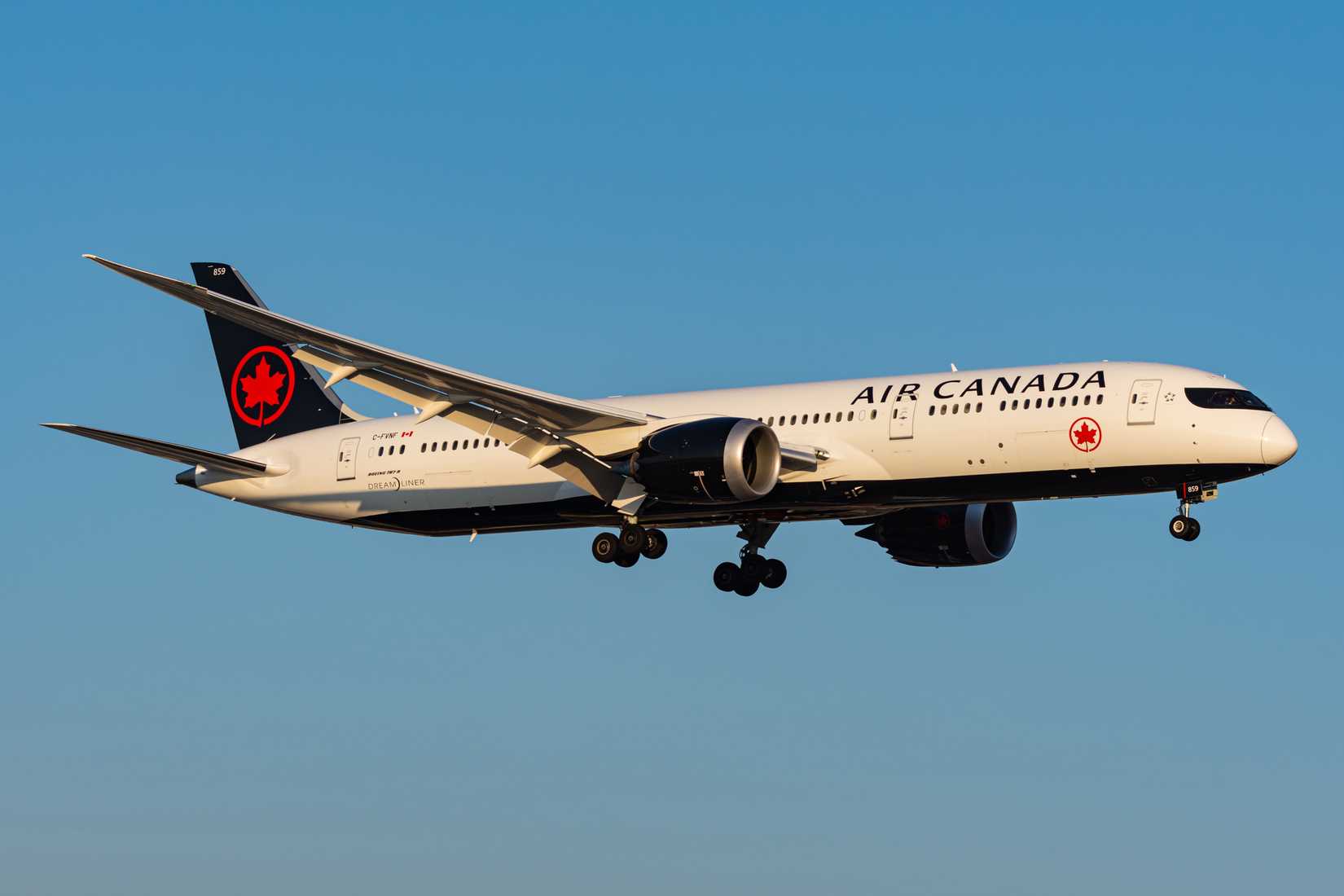
The most significant launch came on June 3, when Air Canada resumed flights between YYZ and Shanghai Pudong International Airport (PVG), restoring a route that had been absent from the carrier’s network since 2020. The airline last served the route before the COVID-19 pandemic forced the suspension of numerous transpacific services. The revived operation is being flown by the Boeing 787-9 Dreamliner and currently operates three to four times weekly. Before the pandemic, Air Canada served Shanghai daily from Toronto, reflecting the route’s former importance within the carrier’s Asian network.
While capacity remains below pre-pandemic levels, the return of the service represents an important milestone as airlines continue rebuilding links between North America and China. The route will compete directly with services offered by China Eastern Airlines, giving travelers another nonstop option between Canada’s largest city and one of China’s most important commercial centers. The launch also highlights the gradual normalization of international aviation markets that were among the slowest to recover following pandemic-related restrictions.
Sicily Gains Its First-Ever Canadian Service
Credit: Shutterstock
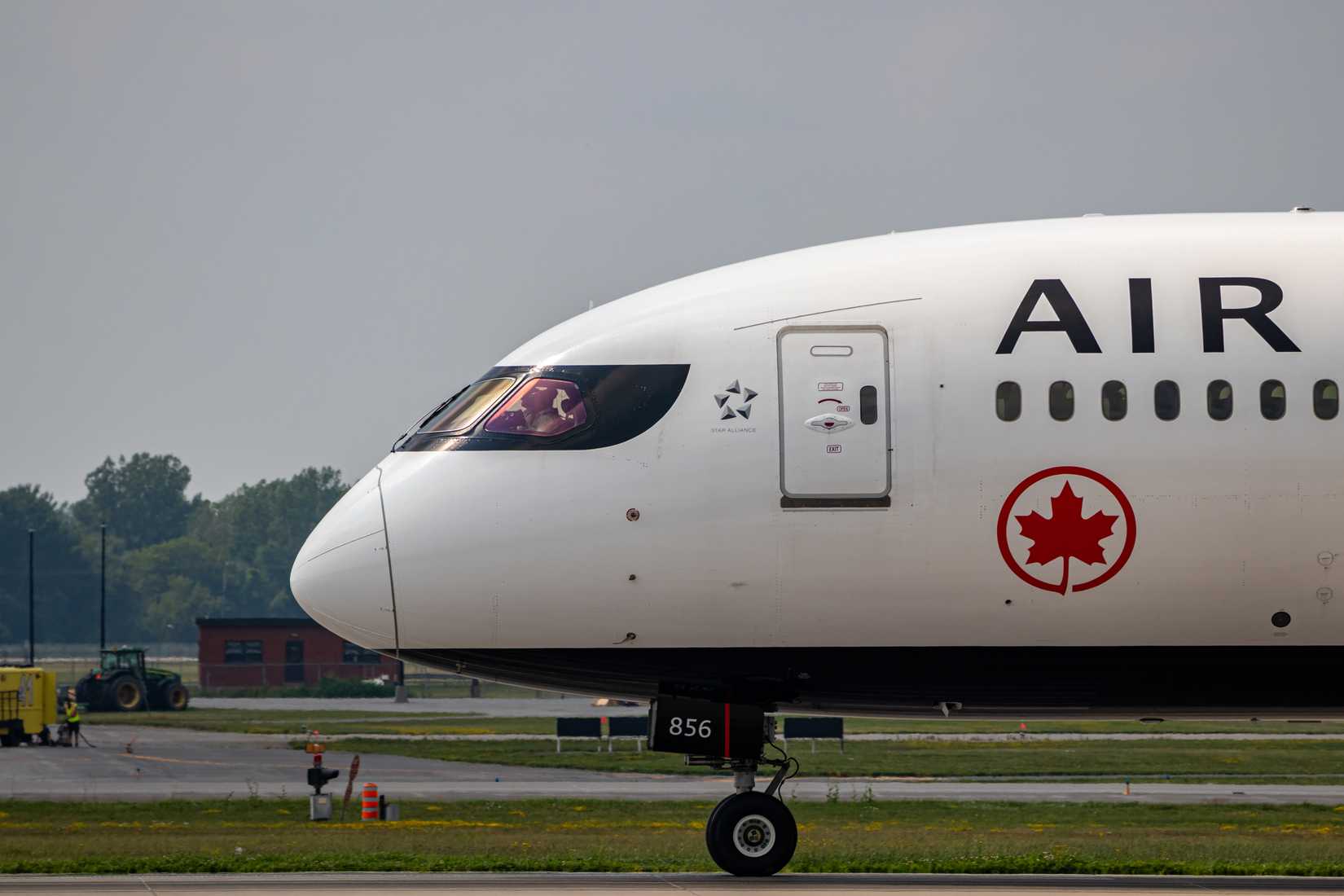
Just one day later, Air Canada inaugurated nonstop flights between YUL and Catania, creating the first direct air link between Canada and Sicily. The new route operates three times weekly using the 787-8 and marks a significant development for the Italian island, which previously lacked any nonstop connection to Canada despite strong cultural and family ties between the two countries. Neither Catania nor Palermo had ever hosted scheduled Canadian service before Air Canada’s arrival.
The introduction of Montreal-Catania is going to contribute to a record year for transatlantic capacity to Sicily. Combined traffic to Catania and Palermo is expected to reach approximately 209,000 two-way seats between North America and Sicily this year, nearly doubling the previous record of 117,000 seats set in 2025.
Air Canada’s service joins a growing list of North American routes serving the island. Other operators include Delta Air Lines on its New York-JFK-Catania route,  United Airlines on its Newark-Palermo route, and Neos on its Palermo-New York route. Together, these services reflect the increasing demand for leisure travel to southern Italy, with Sicily in particular. For Air Canada, the route expands its Mediterranean network while providing Canadian travelers with direct access to one of Europe’s most popular summer destinations.

Related
16-Hour Flights: Air Canada Launches New Ultra-Long Nonstop Route [Map]
A marathon journey across the Pacific.
Budapest Signals Reentry To Eastern Europe
Credit: Dirk Daniel Mann | Shutterstock
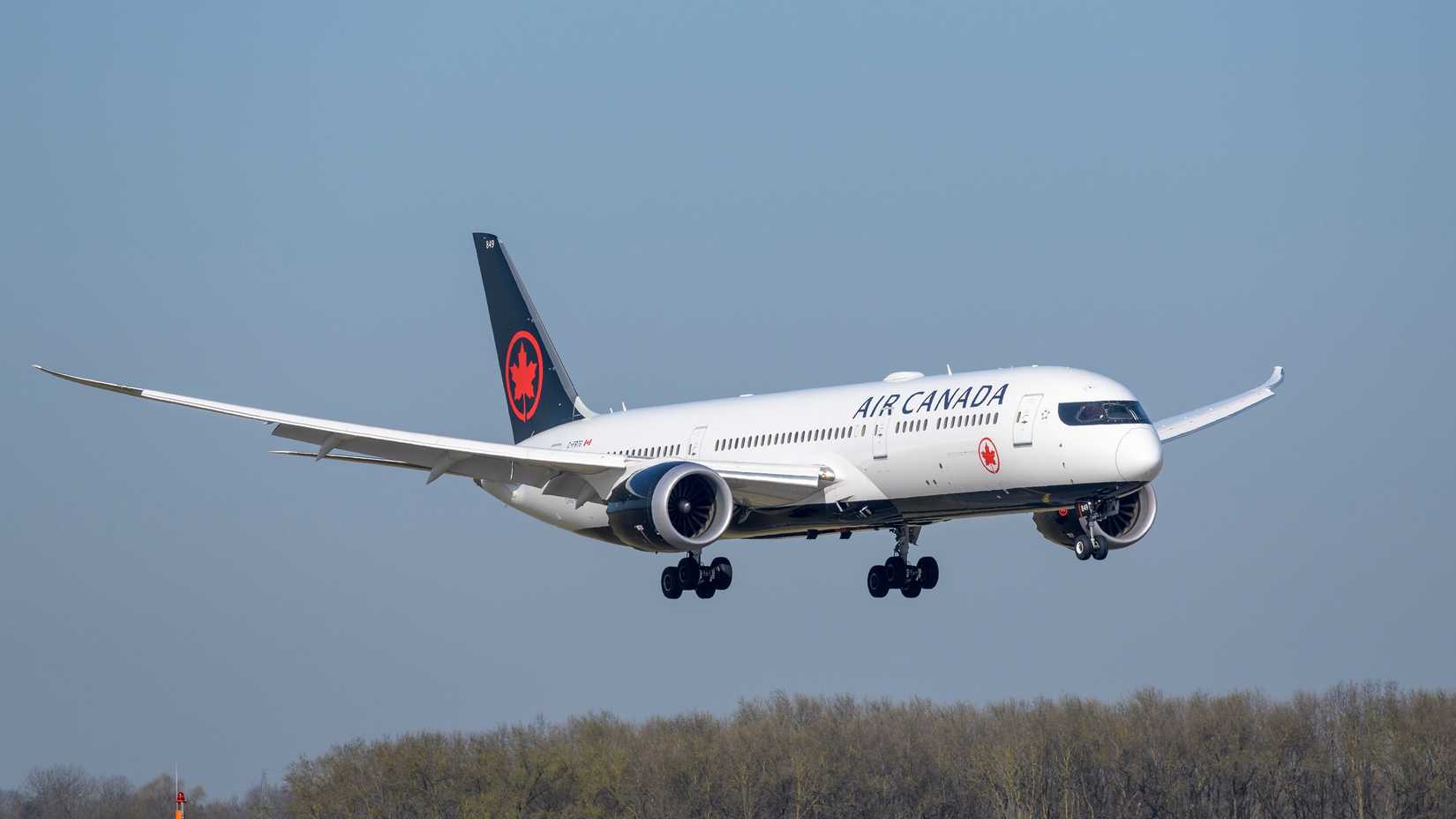
The final route launch occurred on June 5, when Air Canada inaugurated nonstop flights between YYZ and Budapest, re-establishing service to the Hungarian capital after a six-year absence. The market was previously served by Air Canada Rouge between 2016 and 2019, but the route was removed from the network after Rouge’s withdrawal. This time, Air Canada is operating the service under its mainline brand using 787-8 and 787-9 aircraft, with frequencies ranging from three to four weekly flights.
NEW
Catch what other flight trackers miss
Emergency squawks, holds, NOTAMs — live signals, no signup.
Open tracker
→
NEW
Catch what other flight trackers miss
Emergency squawks, holds, NOTAMs — live signals, no signup.
Open tracker →
The return of Toronto-Budapest contributes to a broader recovery in North American connectivity for Hungary. Budapest is expected to offer approximately 112,000 two-way seats to and from North America this year, the highest level recorded in seven years. Air Canada’s reentry into the market comes shortly after American Airlines restored flights between Philadelphia and Budapest, further strengthening transatlantic access to Hungary. The renewed competition reflects growing demand for travel between Central Europe and North America as airlines continue rebuilding networks disrupted during the pandemic era.
Viewed individually, each route addresses a specific strategic objective. Shanghai reconnects Air Canada with a key Asian market, Catania opens an entirely new destination for Canadian travelers, and Budapest restores service to an underserved Central European capital. Taken together, the launches represent one of the most concentrated periods of long-haul expansion in the airline’s recent history. For Air Canada, the three inaugurations demonstrate the carrier’s continued focus on international growth. The new links to Canada’s largest aviation network from airports in Shanghai, Catania, and Budapest reinforce the broader recovery of global long-haul travel.