

Listen to this article
Estimated 4 minutes
The audio version of this article is generated by AI-based technology. Mispronunciations can occur. We are working with our partners to continually review and improve the results.
Two groups representing Indigenous people in New Brunswick have come to an agreement with the provincial government allowing them free access to seven provincial parks.
“The message that we sent right from Day 1 is that we wanted to rebuild the relationship between the provincial government and First Nation governments,” Indigenous Affairs Minister Keith Chiasson said of the change.
Anyone who can show proof of First Nation membership with a status card or a letter of a confirmation from a chief will be able to get into the provincially run parks at no cost.
The seven parks are: Fundy Trail Provincial Park, Mount Carleton, Murray Beach, New River Beach, Parlee Beach, Hopewell Rocks and the Village Historique Acadien.
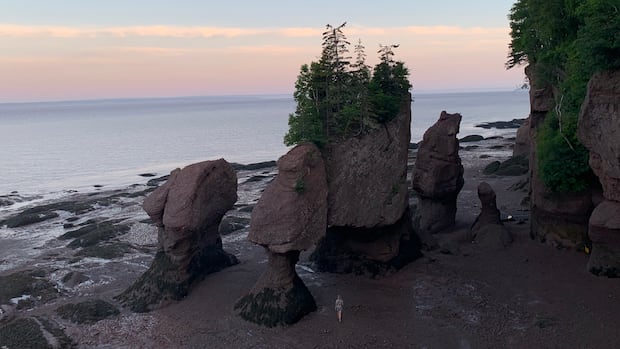
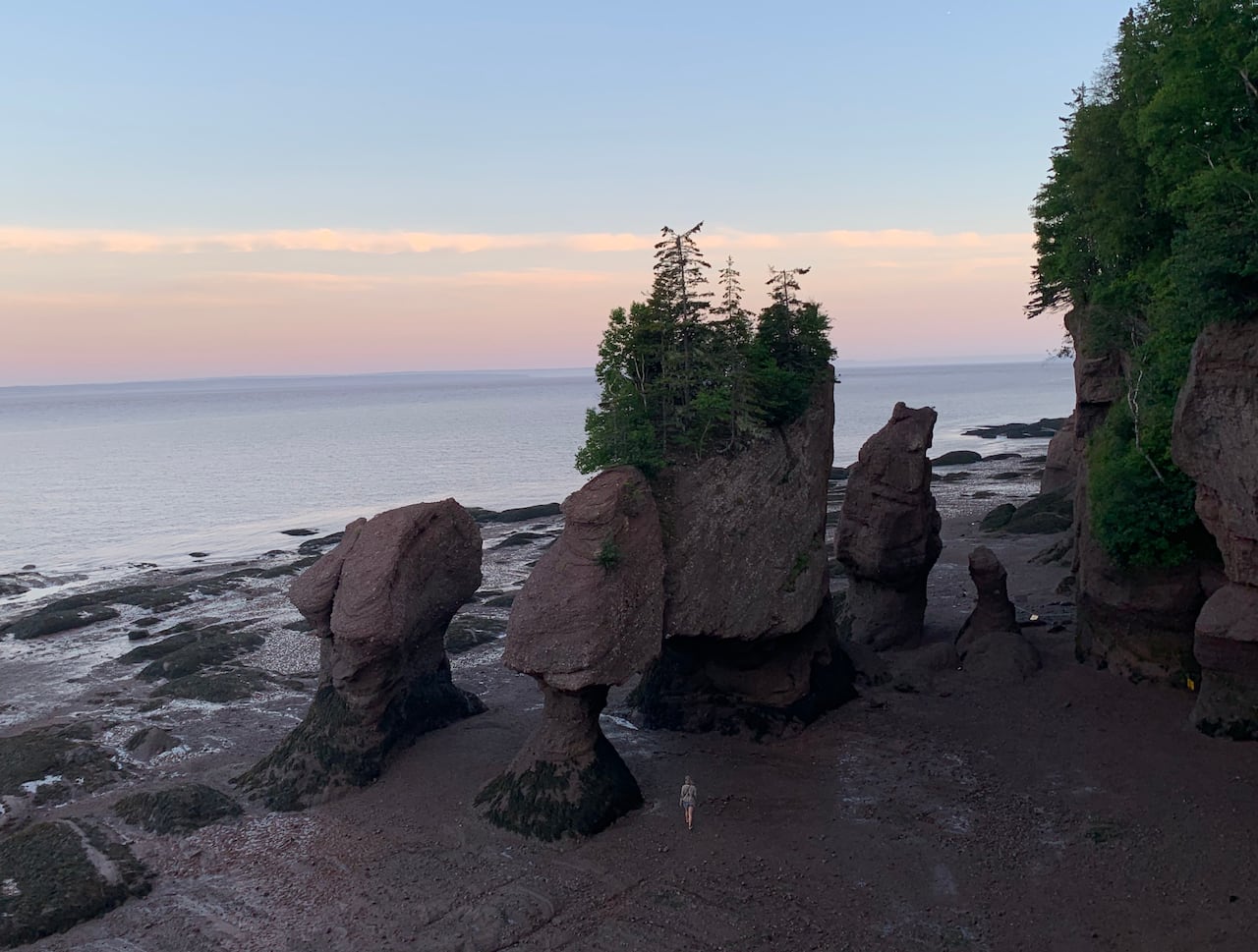 Hopewell Rocks Provincial Park, one of New Brunswick’s top attractions, is included in the agreement to allow Indigenous people free access to provincial parks. (Shane Magee/CBC)
These parks typically charge between $13 and $25 per adult visitor or vehicle.
“For tourism, this was the ideal kind of setting, where it was kind of like a win-win for everyone,” Chiasson said.
Other provincial parks operated by the Department of National Resources are already free to use.
The agreement with Mi’gmawe’l Tplu’taqnn Inc. and the Wolastoqey Nation of New Brunswick took effect in May.
Use of the land
Sitansisk Chief Allan Polchies, a member of the Wolastoqey Nation board of directors, said that he was glad to hear about the agreement.
“That’s a good thing, free access, because right now it’s done federally as well,” he said.
He was referring to a co-management agreement announced by Parks Canada last year and to the free passes for expropriated families offered for Kouchibouguac National Park.
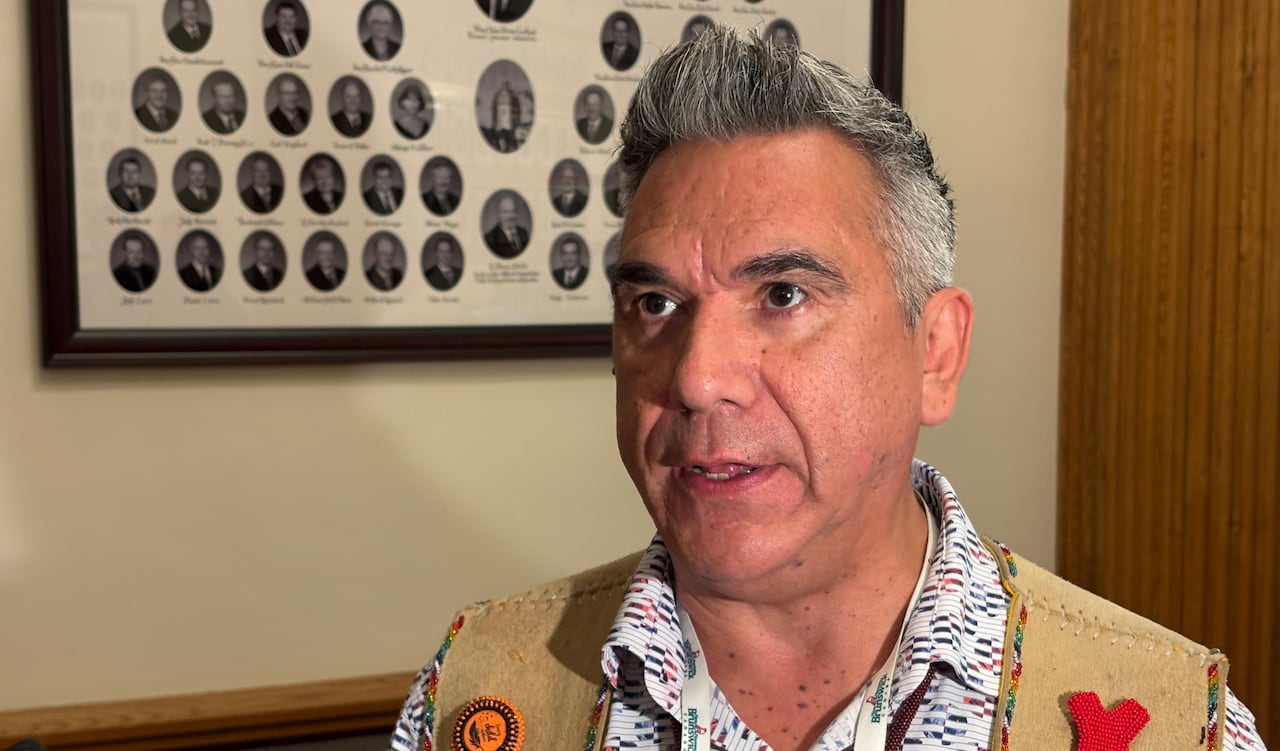 Sitansisk Chief Allan Polchies was glad to hear about the provincial parks agreement. (Jacques Poitras/CBC)
Polchies said everyone benefits from being able to access parks, but it’s particularly important for Indigenous people to be able to connect to the land.
“The park is a … safe space where you go to relax, where you go to rejuvenate, where you go to, of course, just find your spirit,” he said.
The agreement also opens more opportunities for Indigenous people to practise traditional activities inside parks, such as holding ceremonies and harvesting.
WATCH | ‘Should have been done a long time ago,’ minister says: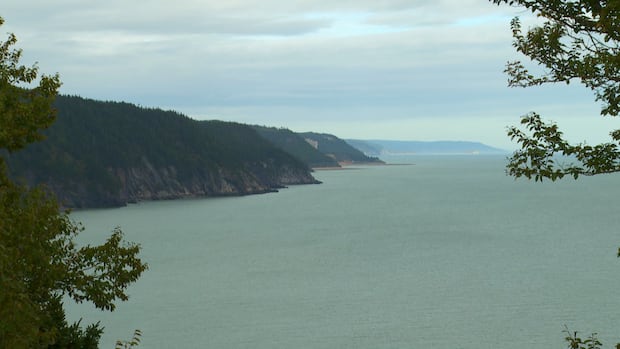
N.B. provincial parks now offering free access to Indigenous people
The agreement between Mi’kmaw and Wolastoqey groups and the Department of Tourism encompasses seven parks with an entrance fee, including Parlee Beach and Hopewell Rocks.
Polchies said there will be more options now for gathering traditional medicines, since many of them grow in the parks.
According to the province’s announcement, fishing regulations would depend on the park. Hunting is not allowed in any provincial parks.
Anyone wishing to exercise Aboriginal or treaty rights that might go against park rules would need to get special permission from park officials.
“If [there are] cultural activities or historical or recreational activities that would like to be done by the First Nation community or Indigenous people, then obviously the department is very open to having those discussions,” Chiasson said.
‘Should have been done a long time ago’
Chiasson said the agreement will last indefinitely
“Hopefully, for many, many, many summers, people will be able to benefit and appreciate, you know, the wonderful parks here in New Brunswick,” he said.
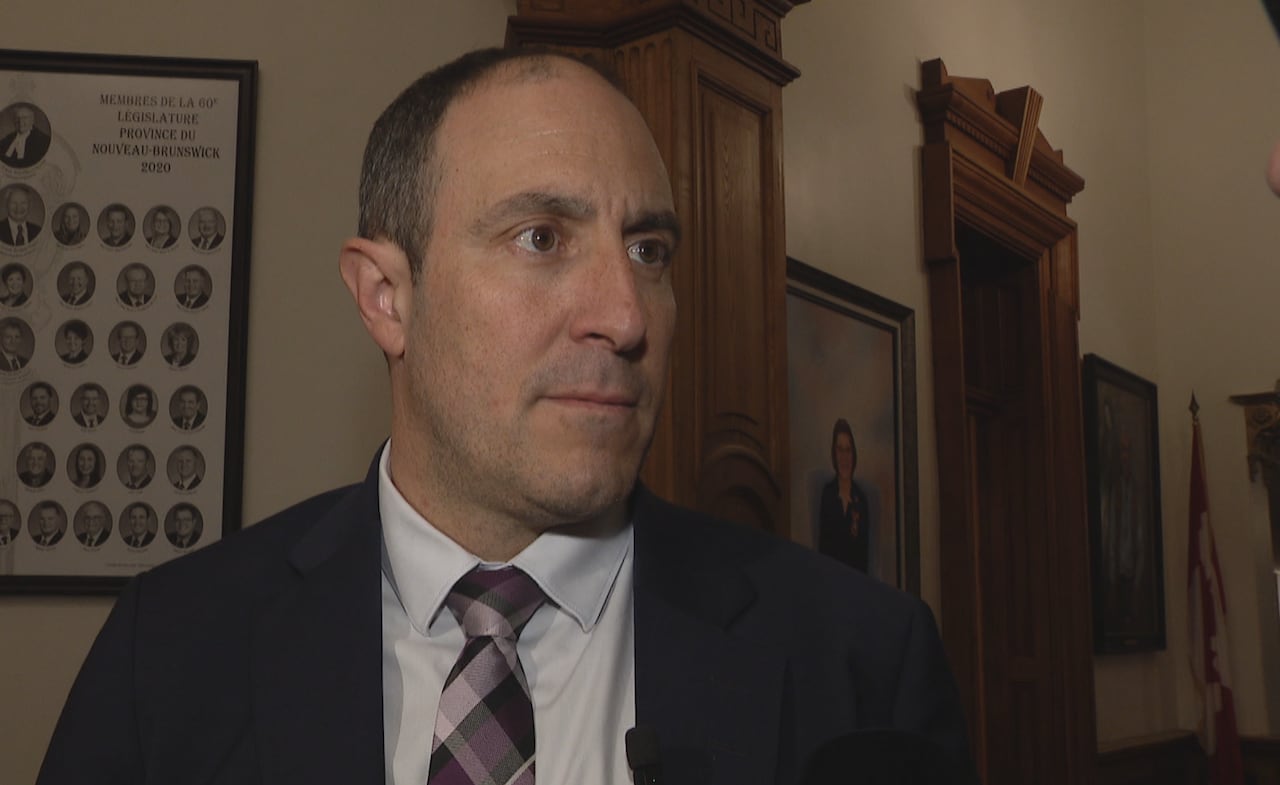 Indigenous Affairs Minister Keith Chiasson said the agreement will last indefinitely. (Tara King-Stewart/CBC)
Chiasson said he was surprised free access wasn’t offered already, and he suggested it was “on our part” that it wasn’t provided long ago.
Polchies said he is happy the government is willing to initiate agreements such as this one.
“This would be a form of reconciliation,” Polchies said. “I applaud them for … [continuing] to work with the Indigenous people of our province in order to make it a good safe place to live, eat, work, play and gather.”