
Ripple effects from the war in Iran are threatening millions more of the most vulnerable people with crisis levels of hunger or worse, World Food Programme (WFP) acting Executive Director Carl Skau told CNN.
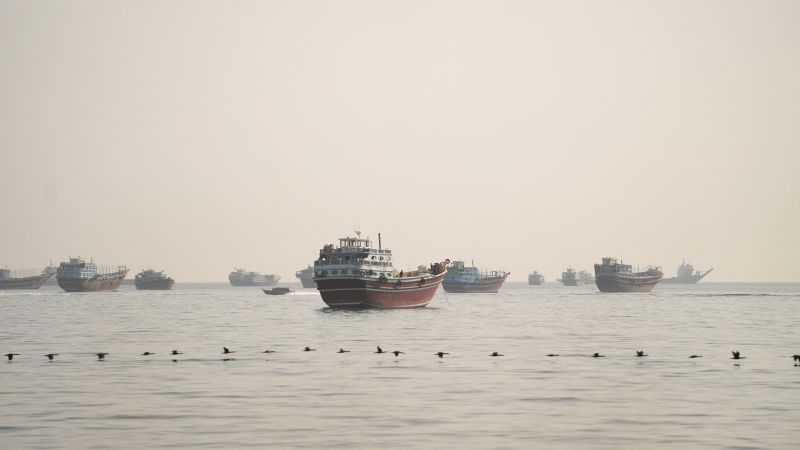
The closure of the Strait of Hormuz has driven up the cost of fuel exponentially, making the organization’s operations far more costly. The escalating fuel costs have also driven up the price of food around the world. And critically needed supplies of fertilizer from the Gulf to plant crops in places like Sudan have been stymied by the snarling of the critical waterway.
It is a devastating mix for an organization that was already having to make unimaginable choices due to significant cuts in funding.
The WFP relies on donations from governments and has seen an immense drop in funding across the board, including from its top donor, the United States. As of Monday, the US’s 2026 contribution was around $731 million. In 2024, it was more than $4 billion.
Skau explained that in the world’s poorest countries, “when the price of food goes up 20-30%, well, they eat 20-30% less.”
In March, the humanitarian organization warned that 45 million more people will face acute hunger by July if the price of oil remains above $100 a barrel.
Even if the Strait of Hormuz were to reopen tomorrow, Skau said, the impact would continue to be felt longer-term.