
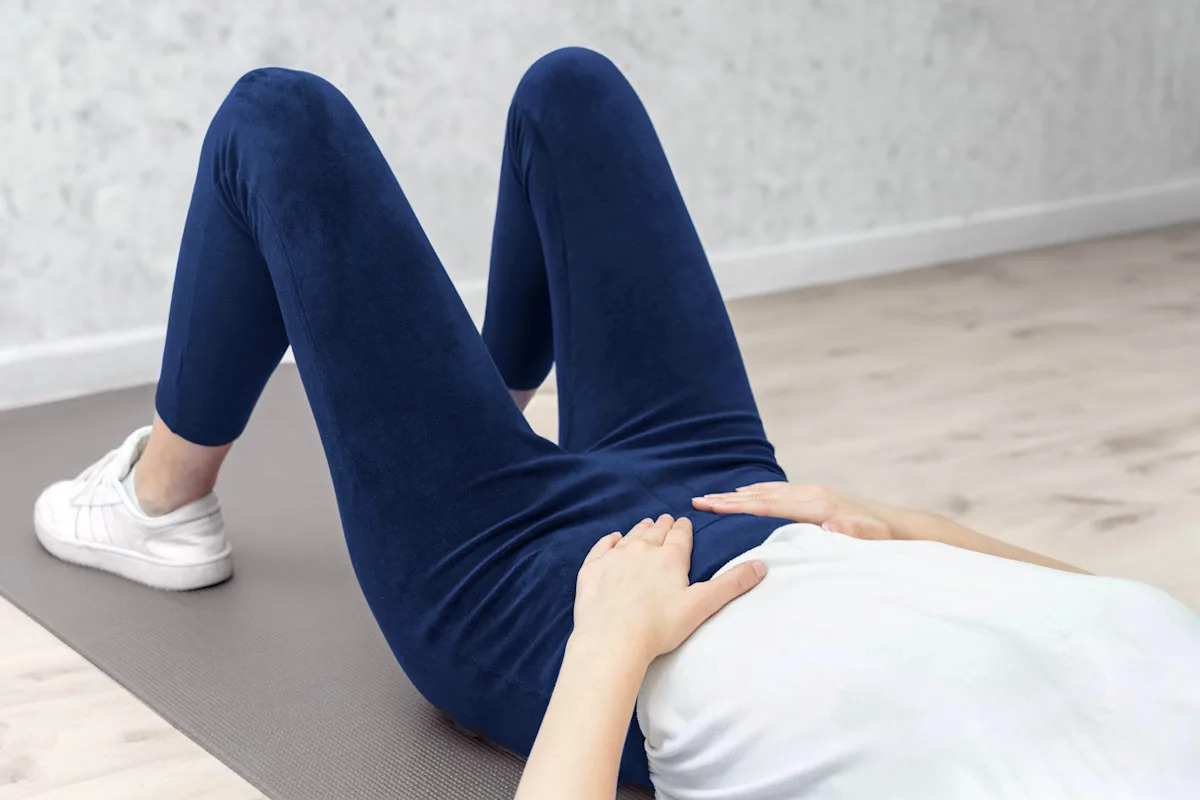
Issues like bladder leaks, pelvic pressure, lower back discomfort, pain during intercourse and erectile dysfunction may seem unrelated at first glance.
But many of them can be connected to one important part of the body: the pelvic floor. After all, these muscles quietly support some of the body’s most essential functions every day – yet most people rarely think about them until problems arise.
The good news is that “evidence shows that consistent pelvic floor muscle training is an effective first-line, noninvasive treatment for many issues related to pelvic floor dysfunction,” says Dr. Jewel Kling, associate director of women’s health at Mayo Clinic.
Here’s what the pelvic floor is, why it matters and how Kegel exercises can help.
What is the pelvic floor?
The pelvic floor is a group of muscles and connective tissues located at the base of the pelvis “that support the bladder, bowel and uterus to help control urination, bowel movements and sexual function,” says Kling.
Because of this role, when the pelvic floor becomes weak or dysfunctional, it can contribute to a wide range of symptoms. Some people with a weak pelvic floor “may experience urine leakage when coughing, sneezing, laughing or exercising,” says Dr. Catherine Caponero, a staff physician in the department of obstetrics and gynecology at Cleveland Clinic. Others may notice increased urinary urgency, difficulty controlling bowel movements, pelvic heaviness or a bulging sensation caused by pelvic organ prolapse. Kling adds that pelvic floor dysfunction can also contribute to lower back pain, hip discomfort and reduced sexual satisfaction.
Pelvic floor weakness or dysfunction can develop from factors such as “being overweight, chronic coughing or straining during bowel movements,” says Caponero. “These muscles can also weaken due to aging, pregnancy, menopause or other factors such as a recent surgery,” adds Kling.
Important: Many women deal with painful sex, bladder issues. There’s a fix, but most have no idea.
What are Kegel exercises?
Regardless of the cause, Kegel exercises – usually just called Kegels – can help strengthen the pelvic floor. Originally developed in the late 1940s by gynecologist Arnold Kegel as a noninvasive treatment for urinary incontinence in women, notes Caponero, Kegels involve repeatedly contracting and relaxing the pelvic floor muscles. Today, they are commonly recommended for both women and men experiencing pelvic floor dysfunction.
“Just like strengthening other muscles can benefit various part of the body, regularly exercising the pelvic floor can improve bladder and bowel control, better support pelvic organs and enhance core stability,” says Caponero. Research has also shown that regular pelvic floor muscle training may help reduce symptoms of pelvic organ prolapse and improve aspects of sexual function and satisfaction.
For men, Kling says that strengthening the pelvic floor may also help improve bladder control after prostate surgery and may support erectile function in some cases.
Remember, though, that Kegels may not be the right fit for every pelvic health disorder, and to consult with your medical provider about the best exercises for you.
Did you see? Erectile dysfunction can be caused by many factors. These are the most common ones.
How to do Kegel exercises and strengthen your pelvic floor
Performing Kegels starts with identifying the correct muscles to target. Kling says a common way to recognize them is “by imagining that you are trying to stop the flow of urine or prevent passing gas.” Once you identify those muscles, gently tighten and lift them, hold the contraction for about three to five seconds and then slowly relax for the same amount of time, “working up to longer holds as strength and symptoms improve,” notes Kling.
“This process is usually repeated about 10 to 15 times per set, and people are encouraged to complete several sets each day,” says Caponero. She notes that it is also important to breathe normally during the exercise and to avoid tightening nearby muscles such as the stomach, buttocks or thighs, since doing so can reduce effectiveness. “It is also important to fully relax between Kegels and to practice regularly in order to see results,” she adds, noting that noticeable improvements often take several weeks.
In addition to Kegels, certain lifestyle habits may also help strengthen and protect the pelvic floor. For instance, “keeping a healthy weight can reduce pressure on these muscles,” says Caponero, while consuming enough fiber and staying hydrated may help prevent constipation and excessive straining. “Regular exercises like squats and bridges can also help strengthen the pelvic floor,” she says.
And if you’re unsure whether you’re doing these and other exercises in a way that will correctly target the pelvic floor, she adds, “working with a pelvic floor therapist can make these muscles stronger and help improve overall pelvic health.”
This article originally appeared on USA TODAY: What are Kegel workouts? Exercises to know for pelvic floor