
NEED TO KNOW
Scientists have confirmed that fossil fragments discovered in the U.K. belonged to the largest scorpion ever identified
The prehistoric species, Praearcturus gigas, is believed to have measured more than three feet long
Researchers say the giant predator lived about 415 million years ago, when life on land was still in its early stages
A giant scorpion longer than a yardstick once roamed Earth — and scientists say they have finally confirmed its identity.
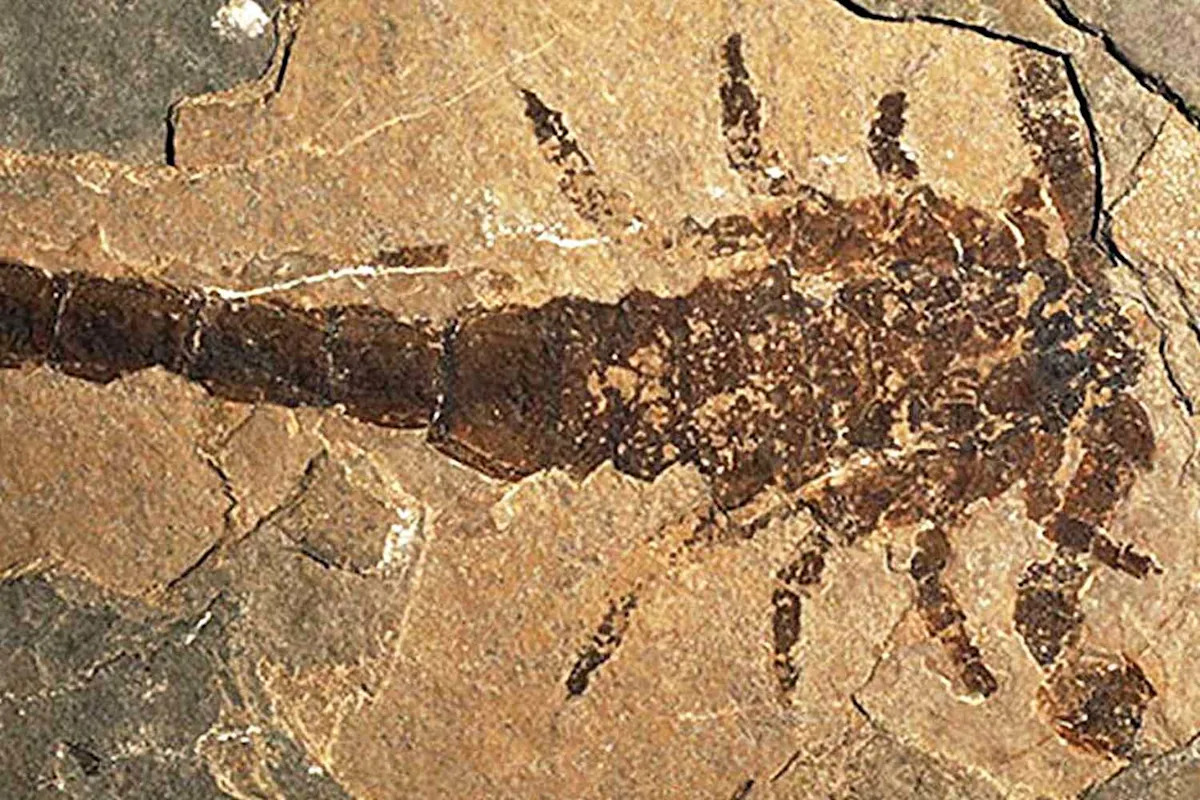
According to research highlighted by London’s Natural History Museum and published in the journal Palaeontology, fossil fragments discovered in the United Kingdom belonged to Praearcturus gigas, a prehistoric scorpion that lived roughly 415 million years ago and may be the largest scorpion ever identified.
Researchers estimate the animal measured more than a meter, or about 3 feet, in length. That would make it dramatically larger than modern scorpions, including today’s largest species, which typically grow to less than a foot long.
The fossils themselves are not new. Scientists have known about Praearcturus gigas for more than a century, but exactly what kind of creature it was remained the subject of debate.
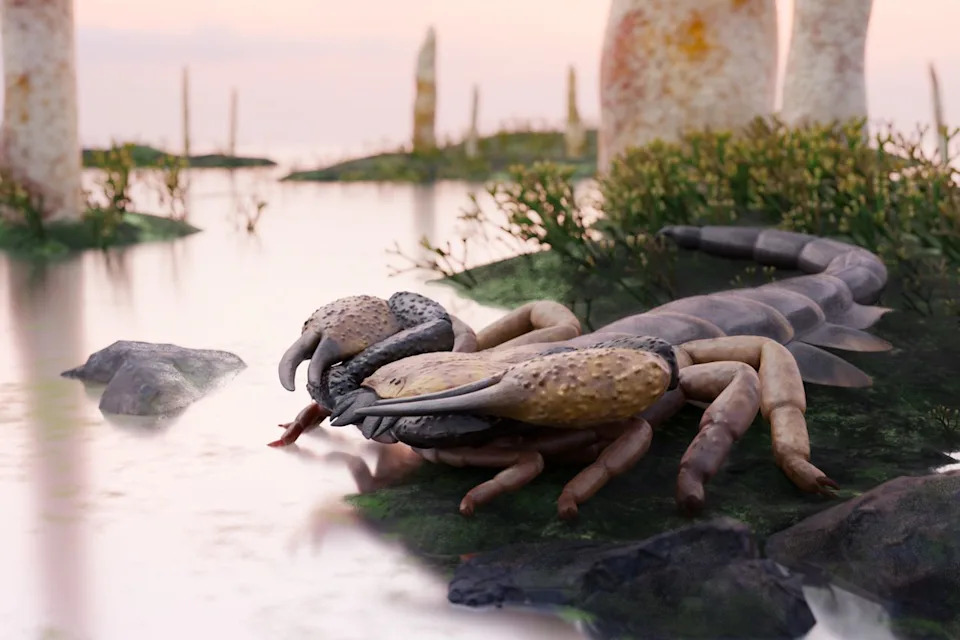
Giant scorpion
Credit: Franz Anthony
When the species was first described in 1871, researchers believed it was a giant crustacean related to modern woodlice. Decades later, some scientists began to suspect it was actually a scorpion, but proving it was difficult because only fragments of the animal had survived.
A new analysis led by Dr. Richie Howard, Curator of Fossil Arthropods at the Natural History Museum, helped settle the mystery.
Researchers compared the fossils with another ancient species discovered in Canada and identified anatomical features that confirmed Praearcturus gigas was, in fact, a scorpion.
“When we think of giant arthropods, people tend to think of enormous millipedes like Arthropleura or the dragonfly-like griffinflies,” Howard said in a statement released by the museum. “But these species lived in the Carboniferous Period at least 55 million years after Praearcturus.”
The discovery is particularly notable because of when the animal lived. During the Early Devonian Period, life on land was still relatively new, and many of the ancestors of modern vertebrates had yet to emerge from the water.
Researchers believe that the lack of competition may have helped the giant scorpion thrive.
Never miss a story — sign up for PEOPLE’s free daily newsletter to stay up-to-date on the best of what PEOPLE has to offer, from celebrity news to compelling human interest stories.
“It suggests that this species might have grown so big because there weren’t any other large predators, allowing it to dominate its environment,” Howard said.
Scientists believe Praearcturus likely hunted smaller arthropods on land while also preying on fish and other animals in the water. With pincers measuring roughly 6 inches long, it would have been one of the most formidable predators of its time.
More than 415 million years after it disappeared, the giant scorpion is still reshaping what researchers know about some of Earth’s earliest land-based ecosystems.
Read the original article on People