
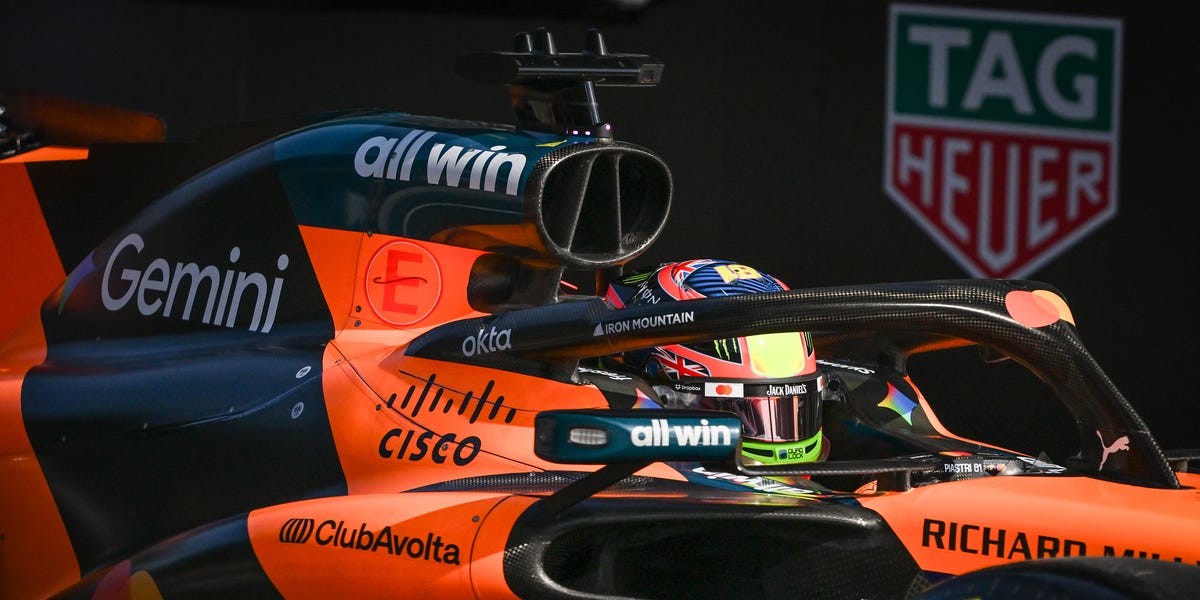
Formula 1, the FIA, teams, and power unit manufacturers have agreed on a two-step change in order to enhance the new engine ruleset.
The new engine regulations, whereby there is a near 50/50 split—in reality 53/47—between internal combustion engine and electrical power, have been criticized in some quarters.
There was swift consensus that tweaks were required but there have been months of discussions over the exact plan of action, given the different interests harboured by the power unit manufacturers.
On Wednesday, ahead of this weekend’s Barcelona-Catalunya Grand Prix in Spain, changes for 2027 and 2028 were announced by the FIA, which will be ratified later this month.
In a statement the FIA outlined that the changes are intended to “address issues related to energy management and fuel energy flow characteristics and make qualifying more flat-out while not impacting the positive and exciting racing generated by the new regulations.
“The package introduces a staged rebalancing of Internal Combustion Engine and Energy Recovery System contribution across the 2027 and 2028 seasons.
Icon Sportswire//Getty Images
“It includes targeted adjustments to internal combustion engine output, fuel energy flow and energy recovery system deployment, together with increased flexibility in energy management.”
For 2026, the ICE has a maximum power of 400kW, which will increase to 420kW in 2028, and 450kW in 2028, while there will be a fuel flow increase of five per cent followed by 13 per cent.
The MGU-K will decrease from 350kW to 300kW from 2027, while the maximum harvesting power will increase from 350kW this season to 375kW in 2027 and 400kW in 2028.
That means the current power split will evolve from 53/47 to 58/42 in 2027 and 60/40 in 2028.
“Formula 1 has always evolved to meet new challenges and seize new opportunities,” said FIA President Mohammed Ben Sulayem. “These proposed changes reflect the collaborative work taking place across the sport to ensure the regulations continue to support exciting racing, technological innovation and long-term sustainability.
“The FIA has a responsibility to protect the future of the Championship, and these refinements are part of that commitment. It is through working together that we will shape the future of our sport and deliver for fans across the world, and I would like to thank the FIA staff, the teams, Formula One Group, and the power unit manufacturers for this constructive approach.”

U.K.-based Phillip Horton started covering Grands Prix while still at university and swiftly deemed that writing about Formula 1 and the behind-the-scenes machinations was much more engaging than reading centuries-old novels. Degree gained, he went on to cover the sport full-time from 2014 and is as intrigued and excited by the destinations Formula 1 visits during its lengthy annual world tour as the racing itself. Phillip joined Autoweek in 2021 and while he has just about learned to spell in American English he has yet to find anywhere in America that makes a proper cup of tea.