

As terrifying as the thought of dementia is, there’s hope in all of the ways we can prevent it. Certain protein sources can lower your dementia risk, as can finding purpose in life (the latter by 30%, actually). You can also keep your mind sharp by exercising, challenging your brain, sleeping, eating nutritious foods, getting social, limiting stress and not smoking.
Teera Konakan / Getty Images
Let’s focus on that nutrition piece: To create a simple, easy habit, what’s the main food dementia specialists want you to add to your plate? There are a few options, actually. Ahead, various types of those experts — from internists to professors to psychologists to neuroscientists — share their answers and explanations.
Carol Yepes / Getty Images
Leafy Green Vegetables
Related: “Surgeons Are Sharing The Most Unexpected Things They’ve Seen During Surgery”
Spinach, kale, arugula, romaine, collards: They’re different foods, but they all fall into the same category of leafy green vegetables that protect brain health. While that probably isn’t surprising, let’s hear the expert-backed insight into why they’re a smart option.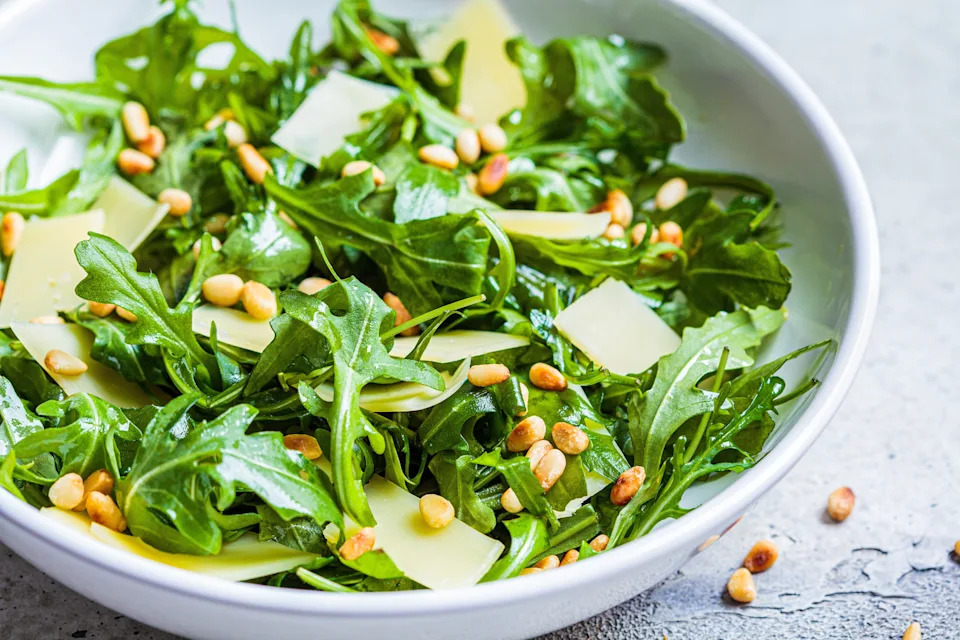
Vaaseenaa / Getty Images
“They are packed with nutrients the brain seems to benefit from, including folate, vitamin E, vitamin K, lutein and anti-inflammatory plant compounds,” said Dr. Dung Trinh, an internist of MemorialCare Medical Group and the chief medical officer of Healthy Brain Clinic in Irvine, California. “We also know that what is good for the heart and blood vessels is often good for the brain, and leafy greens support both.”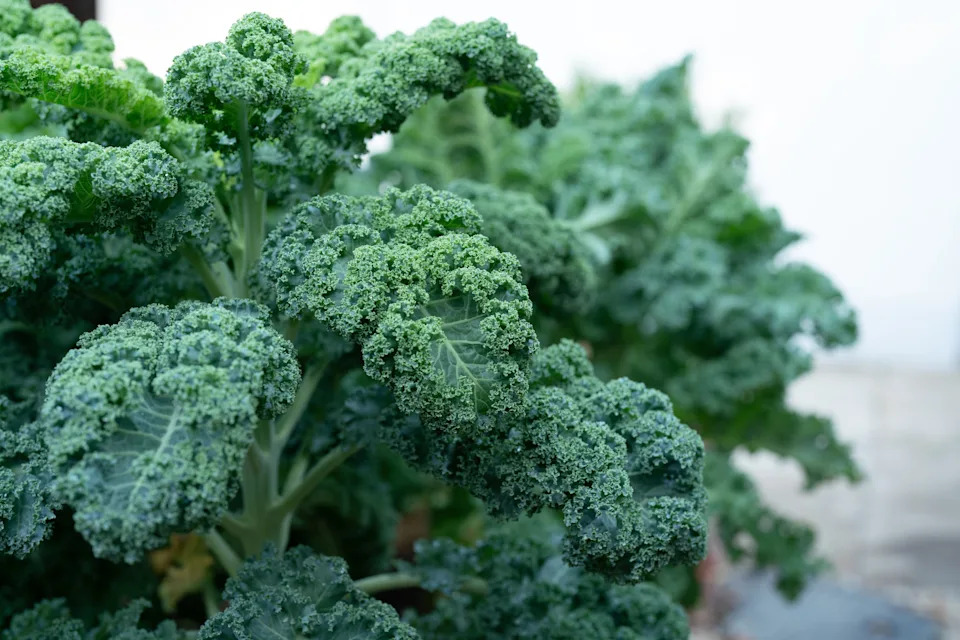
Wera Rodsawang / Getty Images
Advertisement
Advertisement
Advertisement
Advertisement
Jordan Weiss, an assistant professor at NYU Grossman School of Medicine and a scientific writer at Assisted Living Magazine, agreed. “My answer is boring, and I‘ll stand by it anyway: leafy greens,” he said. “Greens carry folate, vitamin K1, lutein and nitrate. Each is doing something useful in an aging brain.”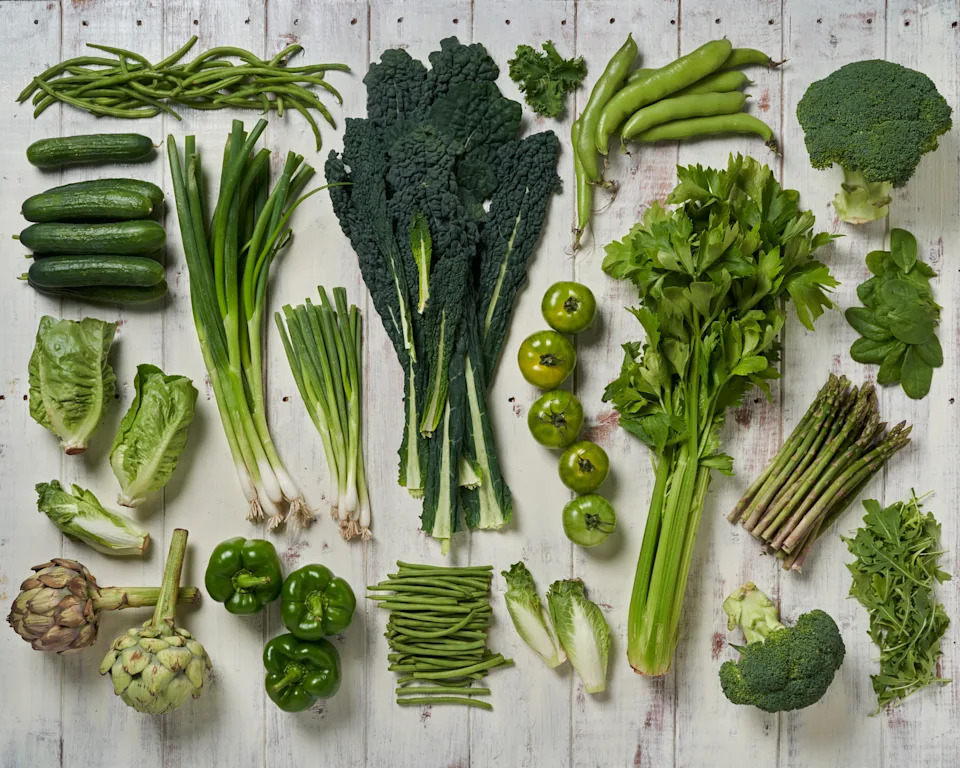
Sam Barnes / Getty Images
He pointed to data from the Rush Memory and Aging Project, in which researchers followed 960 older adults for five years. “People eating roughly a serving a day of greens looked cognitively 11 years younger than people who rarely touched them,” he reported. “That effect size is wild for a single food, and it survived adjustment for overall diet, exercise and education.”
Natalia Lebedinskaia / Getty Images
Your next potential question, especially if leafy greens aren’t your favorite: How many do you need to eat? Trinh and Weiss recommend aiming for at least one serving daily. What that can look like varies from a salad to a half-cup of cooked greens to a generous handful in a smoothie, omelet or soup.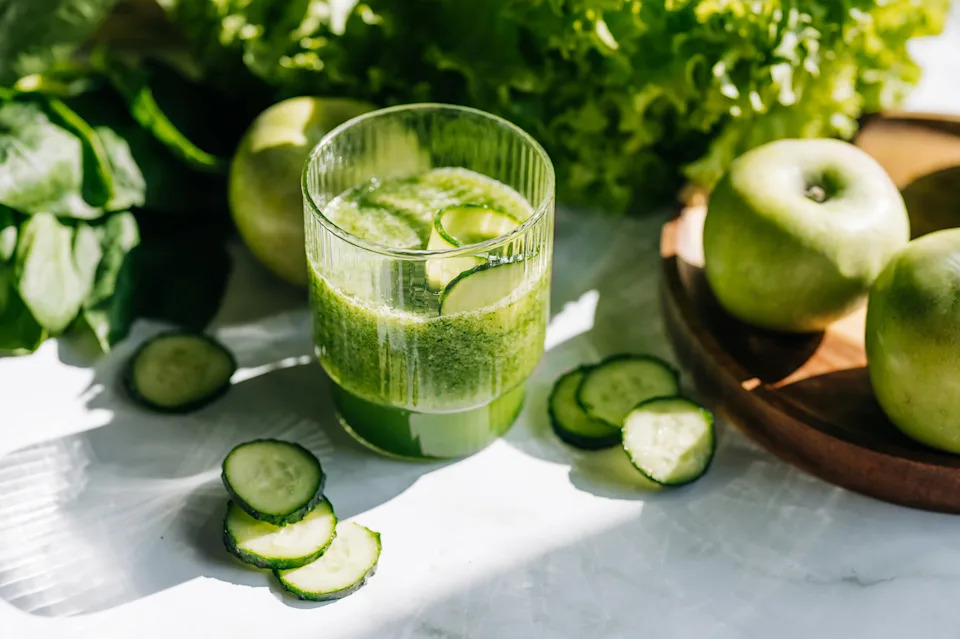
Viktoriya Skorikova / Getty Images
Related: “Doctors Are Explaining When To Worry About The Common Side Effects Of GLP-1s”
“Going beyond that doesn’t seem to add much,” Weiss noted. Plus, remember to focus on doing what you can. Something is better than nothing. “The key is consistency, not perfection,” Trinh said. “You do not need an expensive supplement or a complicated cleanse — you need habits you can sustain for years.”
Mykhailo Repuzhynskyi / Getty Images
Advertisement
Advertisement
Advertisement
Advertisement
Fatty FishYep, “fat” is not inherently unhealthy or a “bad” word, and this proves it.
Francesco Riccardo Iacomino / Getty Images
“If I had to choose a single food to recommend for the prevention of dementia and cognitive protection, it would be fatty fish, specifically salmon, mackerel or sardines,” said Eleni Nicolaou, who has a Ph.D. in clinical psychology, specialized training in neurocognitive conditions, clinical practice supporting patients and families dealing with dementia and research on the effects of biological and lifestyle determinants. “I don’t recommend it because it is a superfood in the marketing sense, but because the evidence behind it is more consistent and specific than anything in the nutrition and brain health literature.”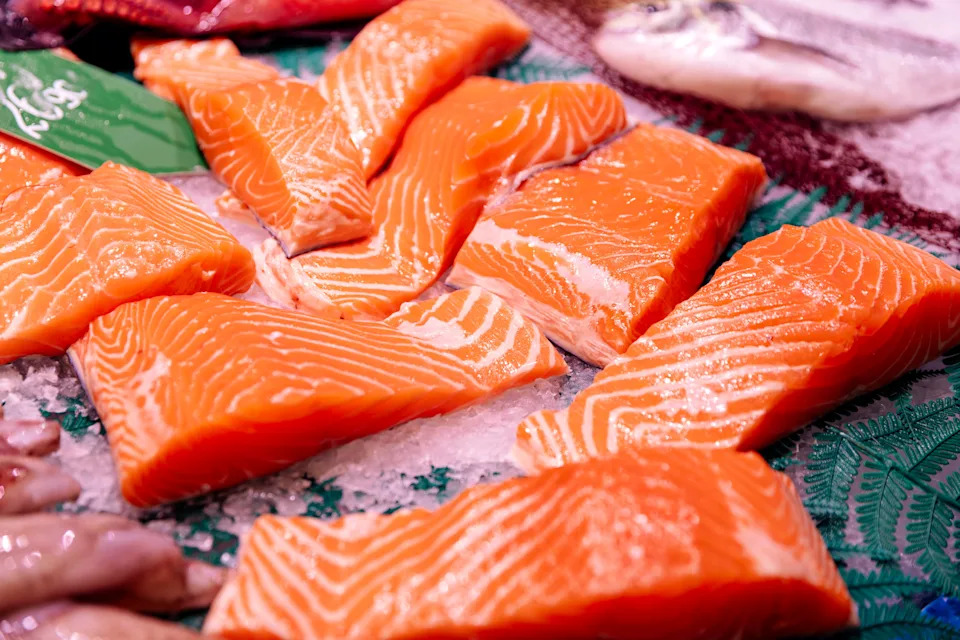
Alexander Spatari / Getty Images
Related: “22 Nurses Share Their Wildest Gynecology Stories”
She explained that the brain is about 60% fat, mostly composed of an omega-3 called DHA. The brain uses DHA to build and repair neurons, which transmit information. With lower DHA levels, communication in the brain slows down, and the brain is more susceptible to the inflammation that causes conditions such as Alzheimer’s.
Elif Bayraktar / Getty Images
All of that is to say, some of the highest levels of DHA are in fatty fish. Nicolaou pointed to studies affirming this. For starters, research published in Neurology found that the higher the levels of omega-3 in the blood, the better the brain structure and cognitive performance. Additionally, a study in the American Journal of Clinical Nutrition found that long-term omega-3 supplementation was linked to a 64% lower risk of Alzheimer’s in participants followed for six years.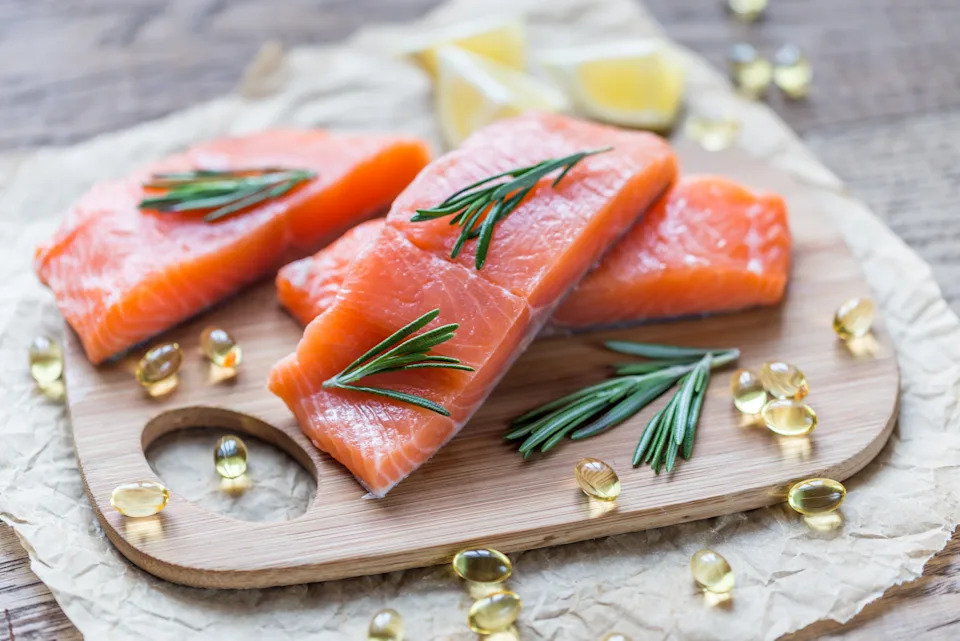
Alexpro9500 / Getty Images
Advertisement
Advertisement
Advertisement
Advertisement
She incorporates this into her practice, of course, too. “In my clinical work with families dealing with dementia, getting consistent omega-3 intake into a patient’s weekly diet was one of the first dietary conversations I’d have because the evidence for it is very solid,” Nicolaou said. She recommended two to three servings a week, with one serving equaling around 100 to 150 grams.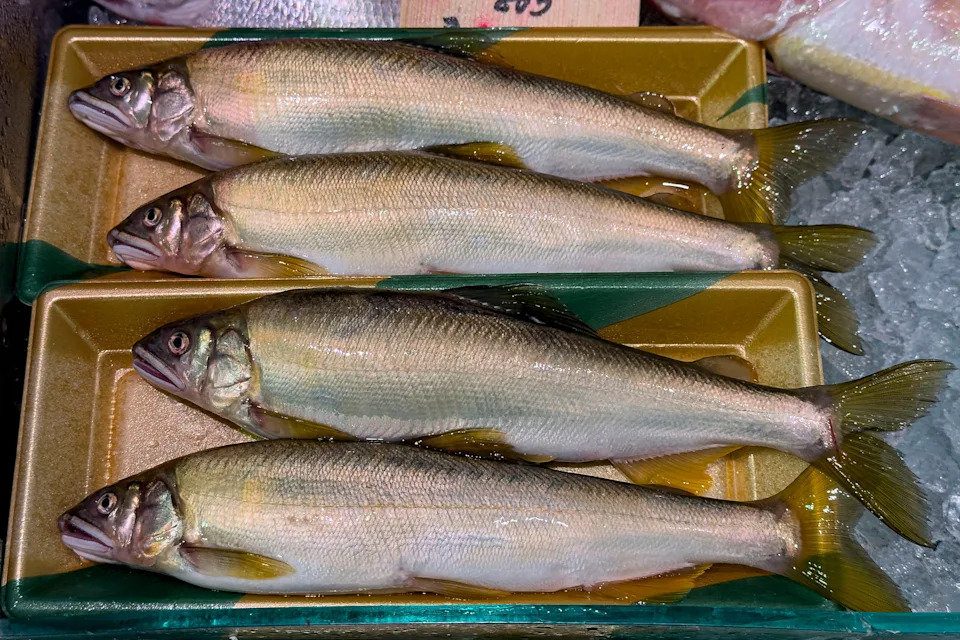
Digipub / Getty Images
BlueberriesFruit lovers, it’s your time to shine. “I understand that blueberries are the single food most consistently linked with better brain aging because their high levels of anthocyanins and other antioxidants help reduce inflammation and oxidative stress, two major drivers of cognitive decline,” said Christopher U. Missling, a neuroscientist who specializes in Alzheimer’s disease and is experienced in mechanisms linking diet, metabolism and brain health.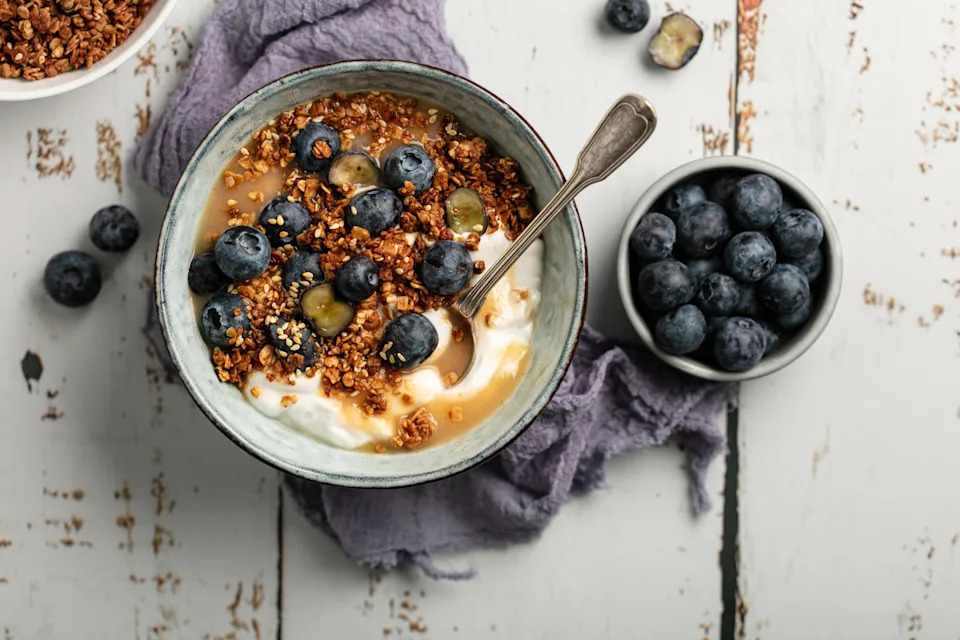
Anne Del Socorro / Getty Images
Research shows that blueberries can protect brain cells from damage, he continued, as well as improve communication between neurons and slow age-related memory loss by counteracting free-radical injury and supporting healthier blood vessels that support the brain.
Jonathan Knowles / Getty Images
Related: “Sleep Experts Are Revealing The \”Sweet Spot\” Amount Of Sleep For Healthy Aging”
How much and how often should blueberries be on your plate? According to Missling, most studies suggest around a half-cup to one cup of blueberries a day, but some observational research has shown benefits with just one serving a week.
Flavia Morlachetti / Getty Images
Advertisement
Advertisement
Advertisement
Advertisement
Dementia prevention isn’t just about food.While nutrition is undeniably helpful, it’s not everything. Health is all-encompassing, including social health, emotional health, environmental health and more. Experts will tell you this, too. “Food matters, but it works best as a part of a broader brain-health strategy,” Trinh said. “I tell patients to think in terms of ‘protect the brain by protecting the body’ — control blood pressure, stay physically active, prioritize sleep, treat hearing loss, stay socially engaged and eat in a way that lowers inflammation and supports vascular health.”
Catherine Falls Commercial / Getty Images
Missling agreed that nutrition is more complex than adding just one food. While blueberries are his No. 1 suggestion, he encouraged people to incorporate other brain-healthy foods, too. “No single food — blueberries included — can prevent dementia on its own, but regularly eating them as part of an overall pattern rich in colorful fruits, leafy greens, nuts, whole grains and omega-3-rich fish seems to offer the strongest cognitive protection,” he said. “Consistency matters more than perfection, and pairing these foods with sleep, movement and social engagement creates a much more powerful long-term effect on brain resilience.”
Maskot / Getty Images
This article originally appeared on HuffPost.
Your daily brain workout: Most People Can’t Finish This Weekend Mega Word Chain — Can You?
Also in Health: “Doctors Are Alarmed By This Unexpected MAHA Movement Trend”
Also in Health: “Health Experts Are Begging People To Stop Buying These Popular Supplements”